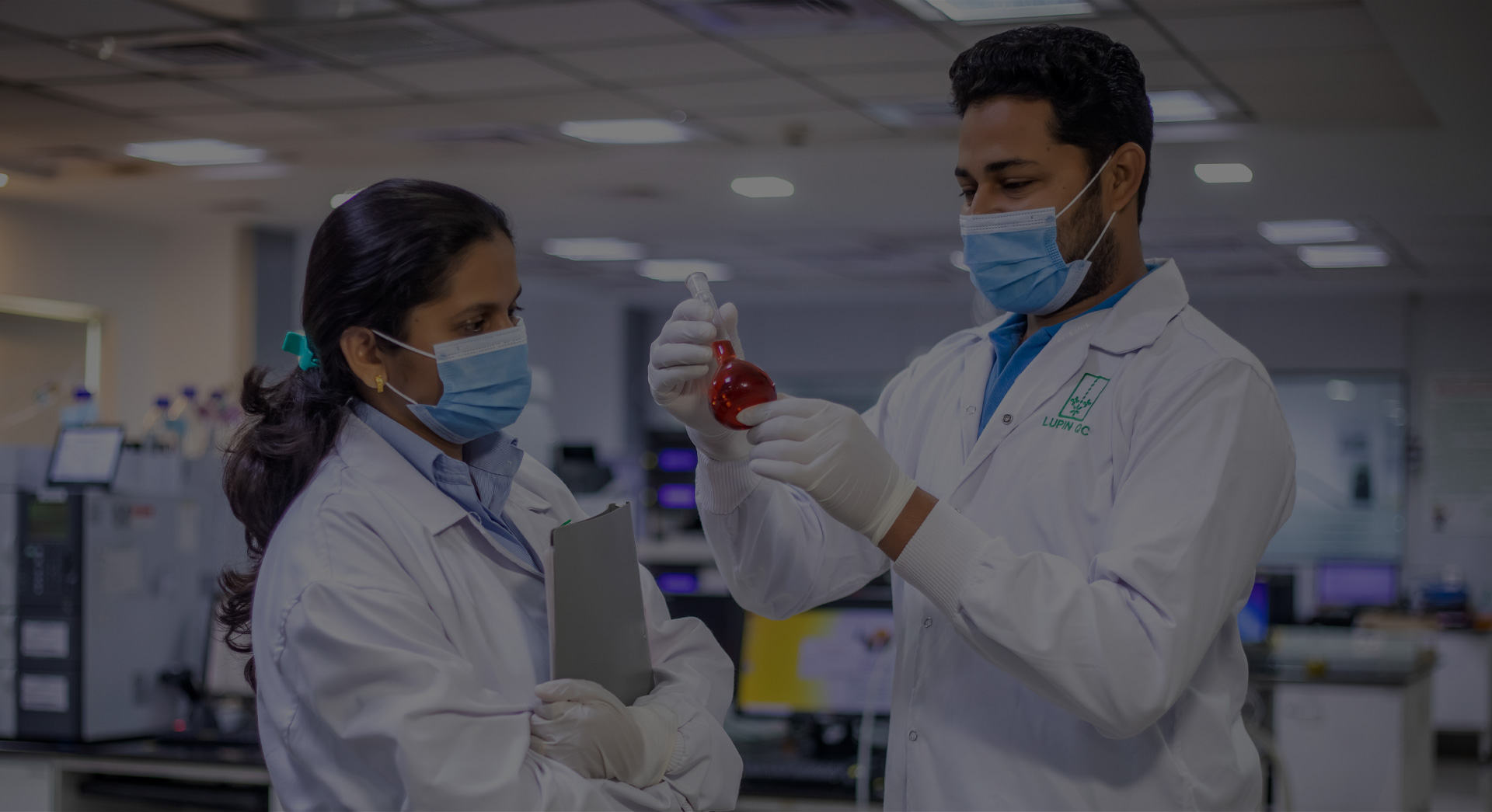


Lupin strives to reduce disease burden for patients and societies around the world. By focusing on innovation, we are able to deploy cutting-edge technologies to develop new and high-quality generic medicines to improve patient quality of life. In FY22, we invested INR 14,024 Mn in Research and Development. We believe that our investment in R&D will lead to sustained value creation both in terms of topline growth and improving access and affordability of our medicines to patients around the world.
We aim to enrich our portfolio by identifying and developing new and improved products as well as partnering across the value chain to achieve scale and impact.

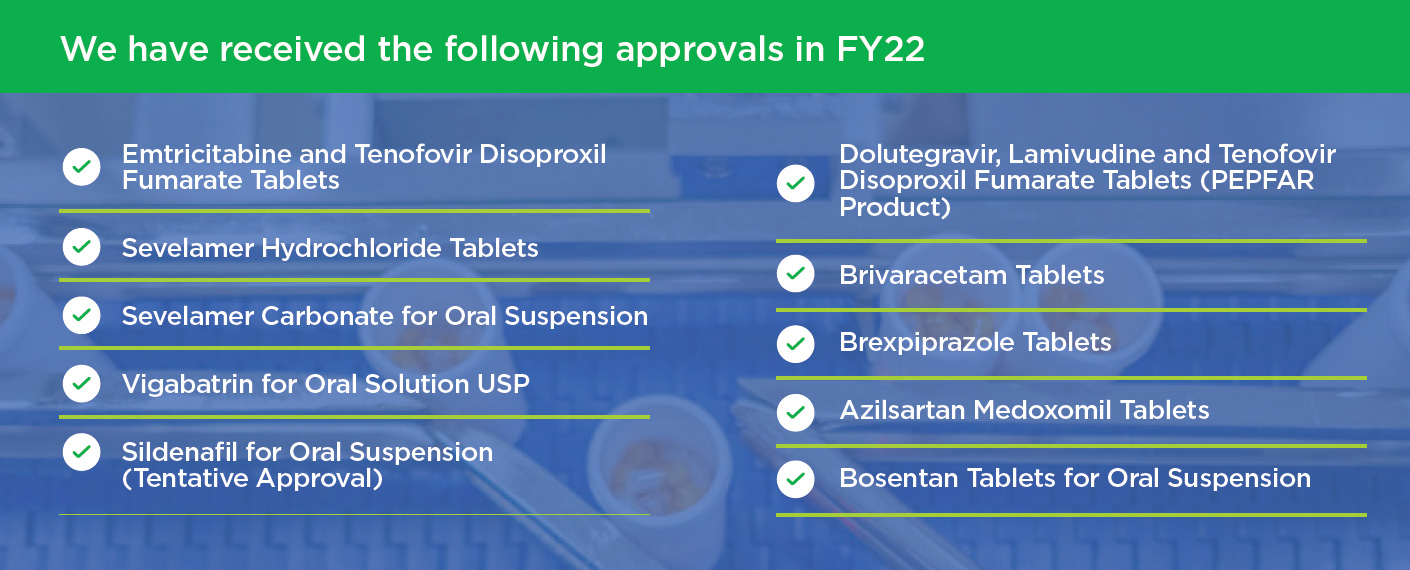
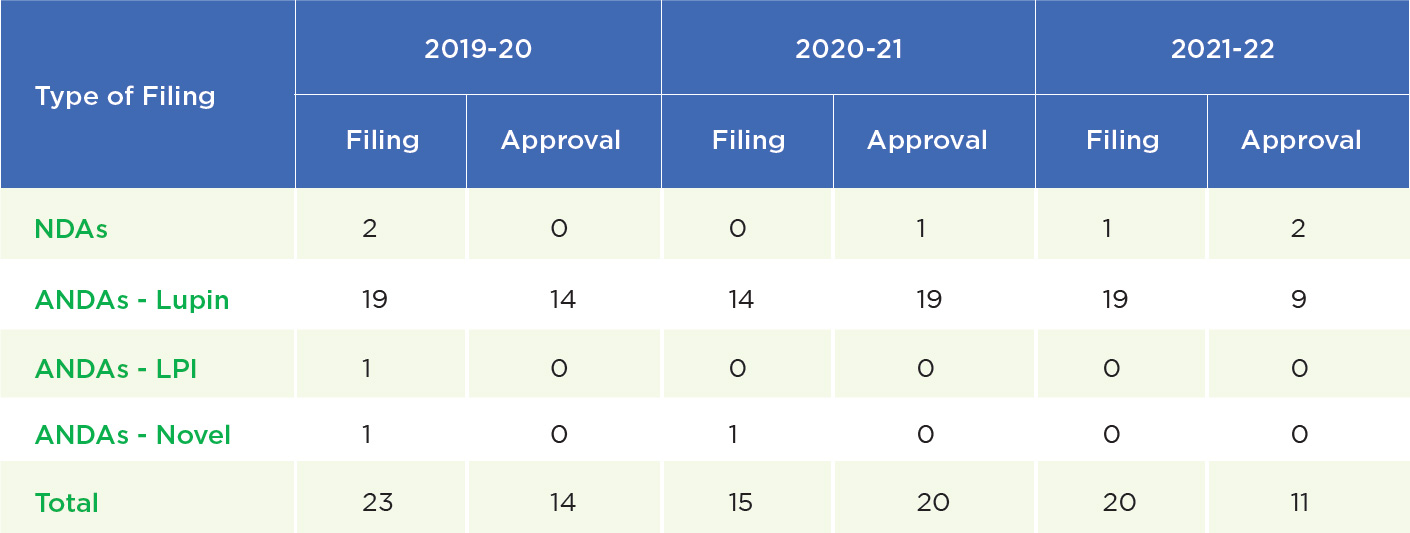
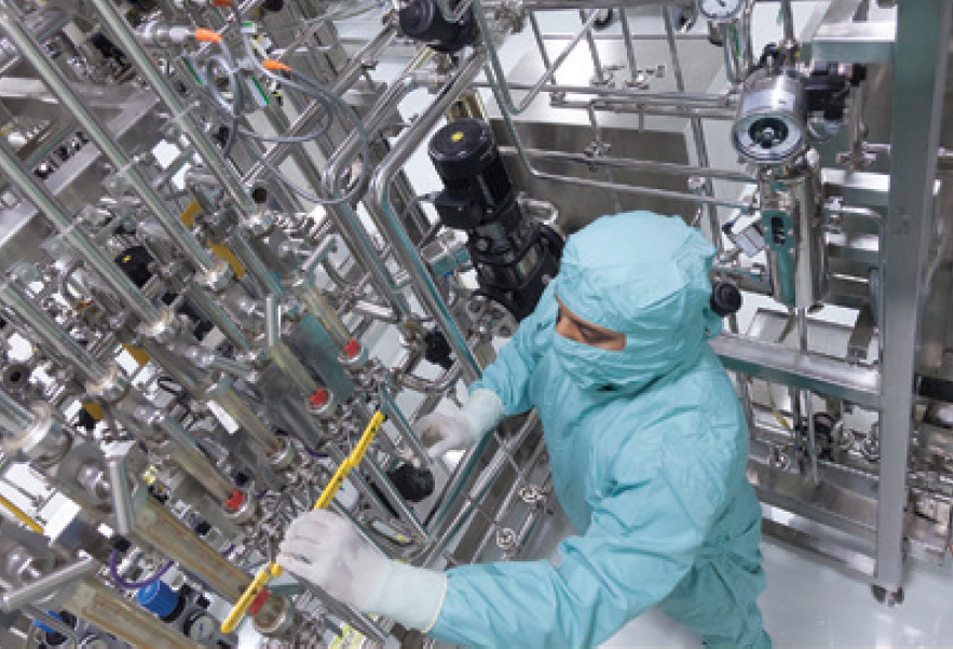
With R&D centers in seven locations across the globe, employing over 1,400 personnel, we innovate by leveraging advanced technologies, superior competencies and strategic alliances. We are proud of our state-of-the-art R&D Lupin Research Park (LRP) located in Pune, India, which functions as the hub of our global research activities.
This campus houses our generic research unit, encompassing API and finished product research, our Novel Drug Discovery and Development (NDDD) unit and from recently, our biosimilar research unit. Over the years, we have transitioned from an oral solids portfolio to include a wide array of complex generics such as injectables, biosimilars and inhalation products.
The Lupin Bioresearch Centre (LBC) is located in Pune and commenced its operations in the year 2009. The LBC has been involved in the operations to conduct in-vitro/in-vivo bioequivalence/PK-PD studies on different formulations including but not limited to Oral, Injectables, Inhalations, and Biosimilar formulations.
LBC has been successful through 26 regulatory inspections conducted by both local and international regulatory agencies. US FDA has audited the site 9 times, while other regulatory agencies such as U.K. MHRA, EMA, ASNM(France), and WHO have had audited the site once each.
The Indian Regulator, Drug Controller General of India (DCGI) has periodically assessed six times, while the National Accreditation Board for Testing and Calibration Laboratories (NABL) has accredited the pathology lab seven times. On the regulatory front, the facility has consistently demonstrated outstanding performance.
In FY22, we conducted 67 in-vivo pivotal BE studies, 79 in-vivo pilot BE studies and six in-vitro BE studies and have cumulatively established over 344 validated analytical methods to date.
Lupin’s Inhalation Research Centre in Coral Springs, Florida, is a specialized facility focused on research and development of inhalation products for the treatment of asthma and chronic obstructive pulmonary diseases (COPD) as well as other respiratory conditions. The expertise of Coral Spring has enabled us to set our vision of becoming a market leader in the inhalation space.
Nanomi is Lupin’s subsidiary in Netherlands, a leader in microsphere and nanoparticle Research and Development of long-acting injectables. Nanomi’s core expertise is its Microsieve technology. We have leveraged this expertise and achieved significant milestones in the last year with respect to clinical trials and scale up activities for our long-acting injectable portfolio.
Enzymatic technology for green chemistry are being pursued for select products, including Dalbavancin and Levetiracetam amongst others. We intend to pursue even more products through this platform to create efficient, sustainable processes.
Lupin provides high-quality APIs and Finished Product to underserved countries by:
Lupin’s Global Institutional Business (GIB) collaborates with global stakeholders in the fight against Tuberculosis (TB). We have been reliable supply partners for first-line agents for treatment of TB for several decades.
We have a strong backward integration to manufacture key first-line agents for treatment of TB consisting of Rifampicin, Ethambutol and Pyrazinamide. In addition to our active pharmaceutical ingredients (APIs), our finished dosage formulations are prequalified by the World Health Organization (WHO). They are supplied to emerging markets in order to ensure both affordability and accessibility.
We have recently forayed into Antiretroviral (ARV) therapy for providing high quality, affordable generics to emerging countries for the management of HIV infection. We are also working on a range of new generic products for the treatment of pediatric HIV.

NDM is a collection of rare conditions that affect the muscles. Around one in 100,000 people suffer from these conditions worldwide. Lupin is committed to improving the care of patients with non-dystrophic myotonia (NDM), whose lives are affected by symptoms of myotonia. These efforts extend beyond facilitating access to NaMuscla (the only licensed antimyotonic available in the EU and U.K.).
As with many of the other 7,000 rare diseases, it often takes more than 10 years for people with NDM to receive a correct diagnosis. Consequently, lack of awareness and delayed diagnosis often limit access to people with the disease. Lupin strives for the following:
We are committed to enhancing our product portfolio by securing intellectual property rights on our innovations. The value of our patent portfolio is testament to this commitment. Lupin settled 15 patent litigations in the United States in FY22. In the European Patent Office, Lupin’s Lacosamide patent was found valid in a postgrant opposition proceeding.
API, Formulation, NDDD, Biosimilar, Brand (~14% increase from previous FY)
secured in FY22 (~69% increase from FY21)
registered (until March 2022)
during the FY22, including 7 FTFs (3 exclusive FTFs)
including 58 formulation, 20 API, 10 biotech, and 97 NDDD patent applications
Lupin’s Quality SOPs elaborate the procedures for monitoring product quality and initiating recalls, where warranted. These are regularly updated as per the latest FDA guidelines. (https://www.fda.gov/ safety/recalls-market-withdrawals-safety-alerts/ industry-guidance-recalls). These FDA guidelines describe the reasons which can trigger a recall and the timelines that need to be followed. Lupin takes actions proactively, often in an abundance of caution, to ensure that patient safety is not compromised. The status of recalled batches is updated and monitored on a weekly basis, and the progress is reported to the regulatory coordinators, as required.
Lupin’s Novel Drug Discovery and Development efforts continue to yield new and highly differentiated therapeutics in the areas of oncology, immunology, and metabolic diseases, with two promising agents currently undergoing human clinical trials.
Our oncology research focuses on approaches to treat patients based on specific gene mutations or alterations, regardless of cancer type. Lupin Oncology Inc. was incorporated to strengthen our commitment to successfully translate our drug discovery efforts into clinical trials and bring novel oncology products to market. Our strong oncology pipeline includes frontier approaches of exploiting immunology,
synthetic lethality, epigenetic changes, and cancer metabolism. We are committed to successfully translating these R&D efforts from bench to bedside. This approach is tumor agnostic and aims to treat patients based on specific gene mutations/alterations regardless of cancer type.
Our partnerships with AbbVie and Boehringer Ingelheim are testament to the quality of our innovation. As part of our partnership with Boehringer Ingelheim, we are developing a clinical stage MEK inhibitor which is a RAS targeted therapy. According to the terms of our agreement, we have received USD 50 Mn by hitting key development milestones.
Biosimilars are niche products that require substantial capital and revenue investment over an extended period of time before they can be brought to market.
Lupin’s key markets for biosimilars include the United States, Europe and Japan, along with India and other emerging markets. We are one of the few Indian companies engaged in development of biosimilars, compliant to the most stringent quality standards, that would withstand regulatory scrutiny in developed as well as emerging markets.
We currently have nine molecules in various stages of development and commercialization.
Despite the technical complexity and regulatory/ IP challenges, we have achieved notable milestones and made significant progress towards the global development of biosimilars. We received market authorization and successfully commercialized biosimilar Etanercept (Nepexto®) in key EU markets with our marketing partner, Viatris. Etanercept is a complex fusion protein and Lupin is the only Indian company which has successfully made this product in-house. It is manufactured at our biotech site in Pune, which was inspected and approved by the European and Japanese authorities over the last few years. Lupin’s Etanercept has also been commercialized in India, following prior approval from DCGI.
We continuously enhance our biosimilars portfolio by identifying and developing new products as well as leveraging our partnerships across the value chain.
Our pipeline includes:

With the demand for treating age-related macular degeneration growing exponentially, Alfibercept is a promising biologic to be considered for biosimilar development. This addition will strengthen our biosimilar portfolio and complement the Ranibizumab Biosimilar that we intend to launch earlier.
This drug has proven to benefit patients with AMD and DME, however, the current cost of therapy is very high and unaffordable to the larger population of India. Through our development, we are poised to deliver a cost-effective biosimilar version, thereby enhancing patient access to the medicine and improving their quality of life. This biosimilar is expected to cost the patients more than 40% lesser compared with the current innovator price.
With the support and funding from BIRAC, we have fast-tracked this project and also receive timely guidance on the overall development. Through this project, we are well on the path to delivering a world-class Biosimilar to Indian patients at an affordable price.
We are driving digital transformation across our organization and integrating new technologies to protect our intellectual capital The advent of new-age technologies has simplified the research process; however, they have also introduced newer ways in which information can be compromised and intellectual property thefts. To combat product piracy and counterfeiting, we design and implement effective IP strategies.

The Information Security Management System (ISMS), KAVACH, ensures effective security controls and safeguards, and promotes awareness regarding data security. KAVACH protects our information through a framework of policies, procedures, and guidelines. The Information Security Management Systems at our Head Office, Pune Research Park, manufacturing facilities at Biotech, Mandideep and Pithampur have been accredited with ISO/IEC 27001:2013 for Information Security. This certification list will be expanded to include our Ankleshwar and Vizag sites.
The ISO 27001:2013 standards specifies that IT systems undergo periodic security assessments at least once a year or on need basis to ensure that known vulnerabilities are not exploited by threats.
An annual ISO 27001:2013 internal and external audit is conducted and the results are shared with the Steering Committee.
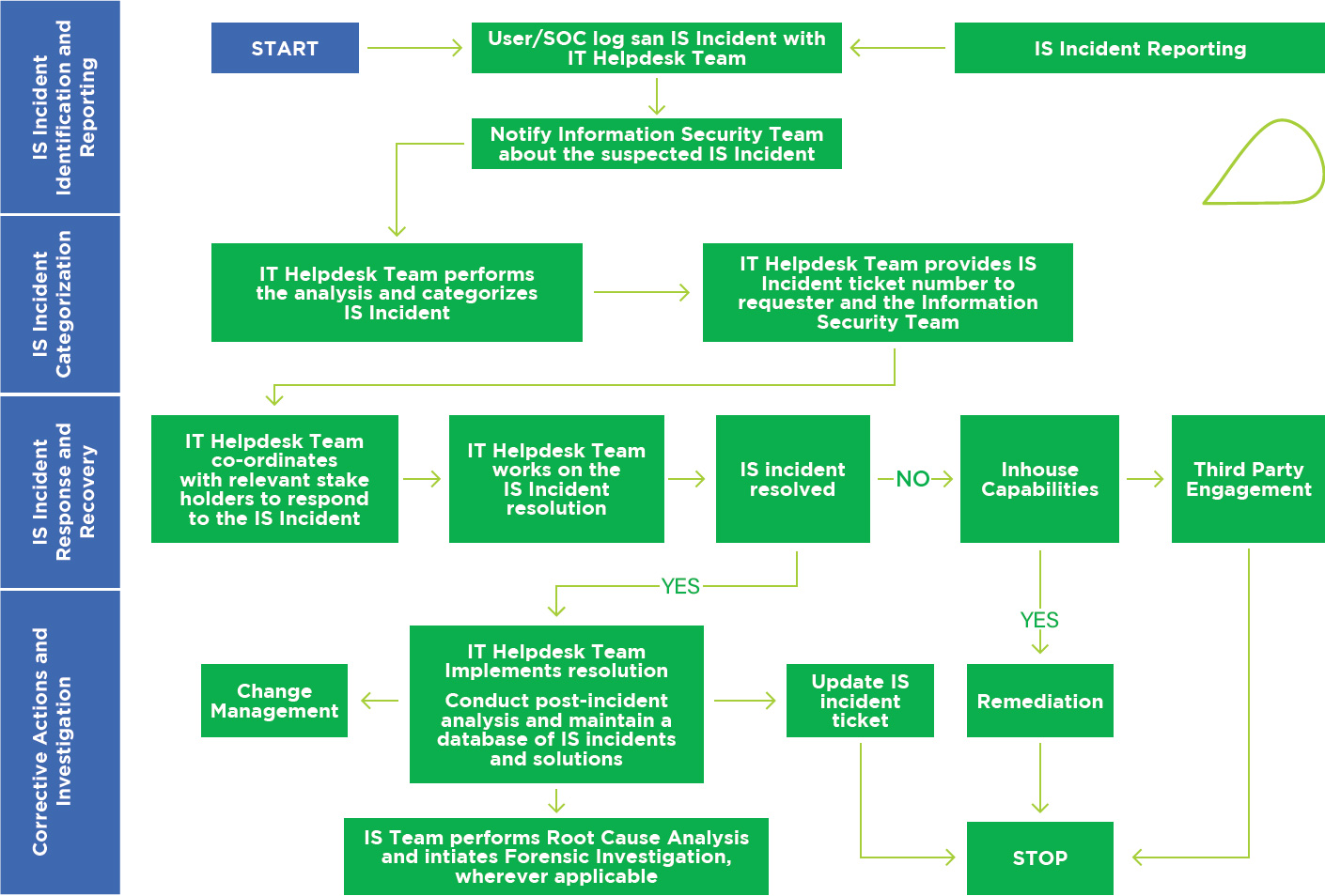
We regularly create, update, and review relevant security policies and procedures as part of ISMS implementation. These policies and procedures are also periodically audited internally and externally. As part of our commitment to information security, we have implemented project “SHIELD” across all our global sites to provide information security assurance.
Security incidents can be reported to kavach@lupin.com and shield@lupin.com
Lupin has established a policy that categorizes data as Confidential, Internal and Public.
We have implemented Privileged Identity Management (PIM), Active Directory (AD) with conditional access, Zero Trust policy for remote access, Mobile Device Management, and more. A comprehensive perimeter architecture is implemented, including Next Generation Firewall (NGFW), Domain Name System (DNS) Security, Web Application Firewall (WAF), Advanced Threat Protection, and Secure Internet and Email Gateway.
Along with our threat intelligence team, we have a Security Incident Event Management (SIEM) and Security Operations Center (SOC) platform for monitoring cybersecurity threats.
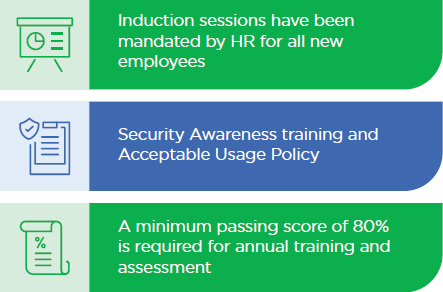
The ISMS policies have been published on Lupin’s intranet, and we share the guidelines via multiple security sessions and emails. We also conduct regular trainings throughout the year in the following ways:
Lupin has defined a Security Organization Structure led by the Steering Committee. The Committee is headed by a Certified Information Security Manager (CISM) and consists of the CIO, CISO, CSO and a representative from HR.
Together with the CIO, the CISO apprises senior management on the security position of Lupin periodically through various forums, such as the Steering Committee, the Risk Committee, and the Audit Committee.
Cybersecurity incidents and breaches of information technology security are covered by our insurance policy. This may include fraudulent acts by employees, cyber extortion costs, business interruption losses, civil fines and penalties, privacy notification and forensic investigation costs, crisis management costs, disclosure liability/media liability, network disruption caused by computer attacks, and data loss liability.
Lupin uses Information Technology to improve its performance across internal functions, as follows:
The new Blockchain application "Schrocken" enables multiple Lupin internal and external vendor teams to transact in one platform for CMO operations. As a result, this platform connects directly to their respective ERP systems and updates them, reducing the need to re-enter the transactions in the respective ERP systems.

At Lupin, we believe in investing in our employees’ growth and development. We are implementing several learning and development initiatives across our R&D centers, which are outlined below:
Lupin Leadership Competencies with the Lupin Values at their core are the foundation of all that we do at Lupin. The Influence Program is a competency-based immersion program designed to build the behavioral competencies required to perform optimally. Each of the byte sized modules corresponds to a competency or a set of competencies that are critical to the success of a role (e.g., Individual Contributor or People Manager).
With Gurukul, R&D professionals are able to stay up to date on the latest scientific developments. In this program, an individual is nominated every fortnight to present on a topic relevant to the functional or futuristic competency needs of the department. As a result, every employee, regardless of grade or experience, has the opportunity to present to the entire team, thus developing both public speaking skills and competencies that are essential for a futureready organization. In FY22, a total of 162 knowledge sharing sessions were conducted.
IGNITE is a Management Development program. Lupin’s IGNITERs are critical to the growth engine of the company - its people, processes, and business. In the IGNITE program, senior managers are trained in essential skills to help them engage in meaningful pursuits with their teams in order to accelerate professional and personal success.
IDP focuses on the individual development of employees. IDP is the result of a collaborative discussion between the employee and the reporting manager. This program focuses on the development of skills and competencies that our employees should enhance in order to be able to perform optimally and to achieve overall professional development.
The iMpact program is a mentoring program, specially designed for women employees at Lupin. As a twopronged initiative, iMpact focuses on developing the leadership skills of senior leaders who will mentor their peers, as well as providing a platform for female mentees to participate in development conversations and seek support and guidance.
Lupin is a knowledge and science driven company, so obtaining a PhD (doctoral degree) is one of the highest qualifications which our employees aspire to. As part of the ASCENT program, we aim to enable and support this aspiration for our scientists in R&D. ASCENT is facilitated in partnership with the Manipal Academy of Higher Education and Symbiosis – both of which are premier universities in the fields of Scientific and Management studies. During the PhD program, Lupin provides complete monetary and professional support to selected personnel. The company facilitates timely coordination and review with appropriate guides (internal and external), submission of the thesis, and offers guidance from experts throughout the duration of the PhD. The minimum program duration is four years.
 Assurance Statement