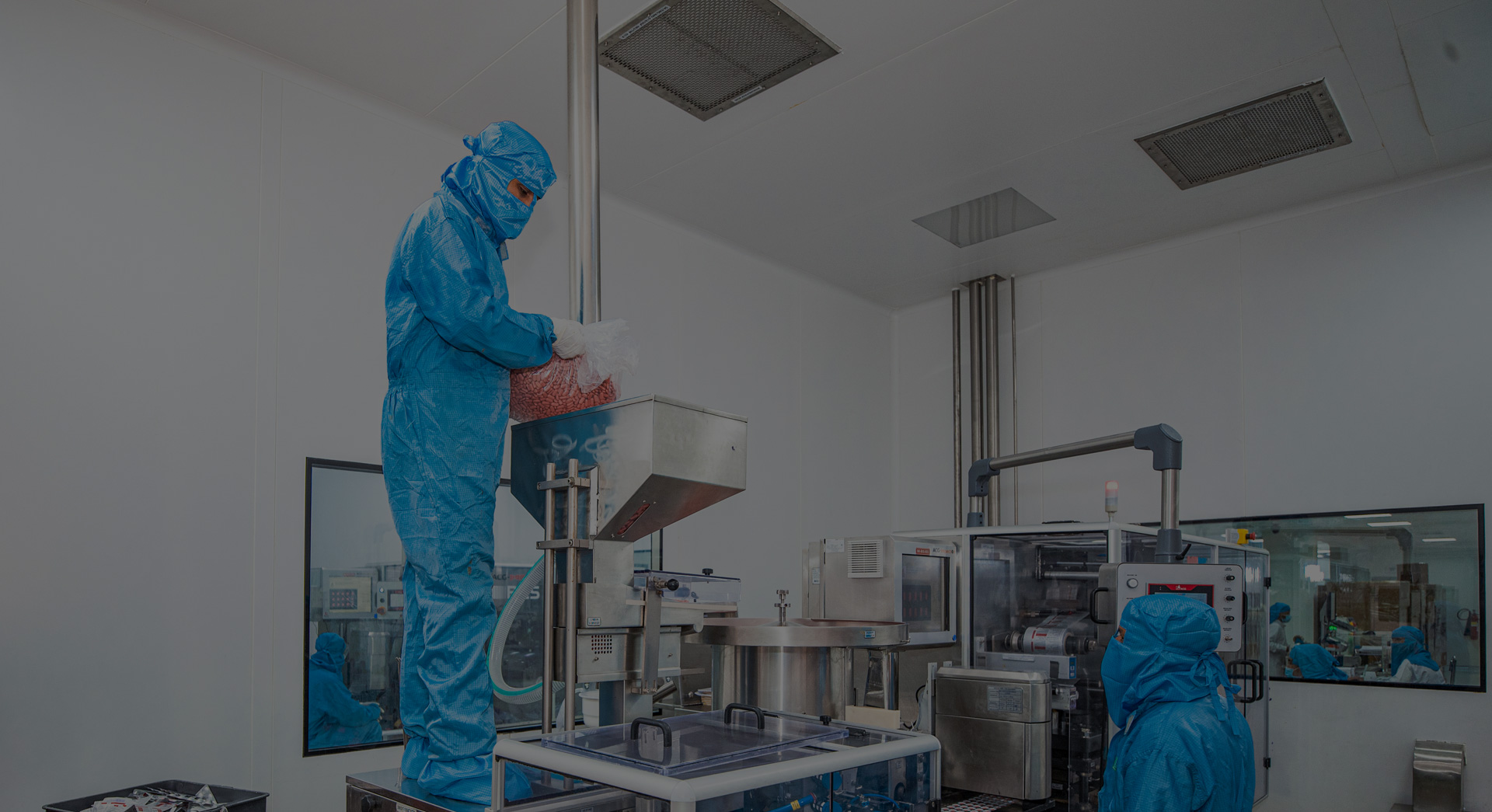


The manufacturing philosophy we employ at Lupin is highly strategic, yet simple enough to be understood and implemented across our entire organization. We aim to drive continuous improvement and innovation to produce high-quality and affordable medicines, thus enhancing healthcare in over 100 countries that we serve, while ensuring the safety and health of our employees.
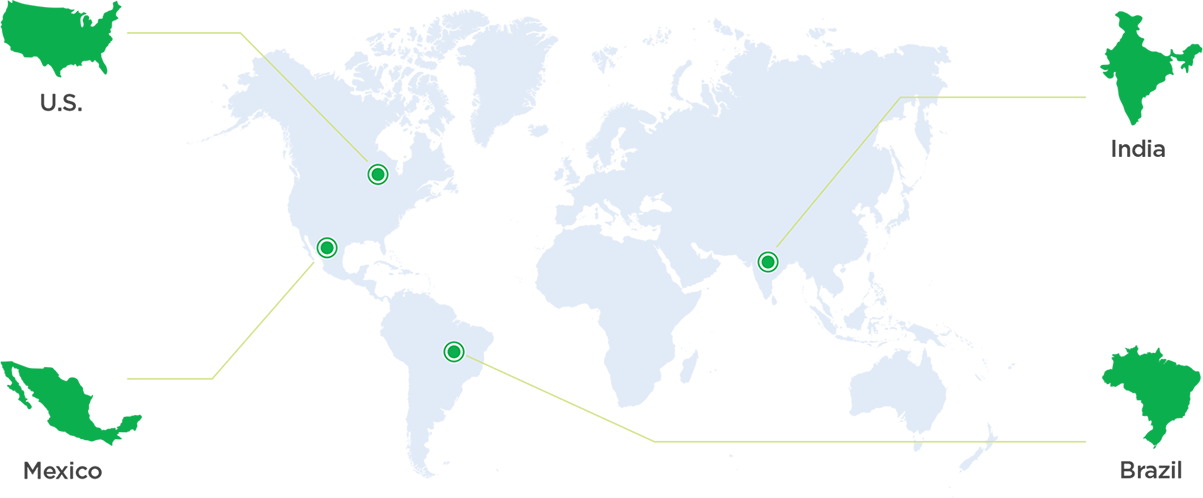
We achieve this goal through a global footprint of 15 world-class manufacturing sites. The sites are located in India, the United States, Brazil, and Mexico, and are at the core of our business to support our vision of being an innovation-led, transnational pharmaceutical major.
Our manufacturing sites are supported and bolstered by a truly global, agile and efficient supply chain which makes it possible for us to deliver affordable and superior quality products worldwide.
As the global socio-economic landscape continues to evolve, we are focused on ensuring that the highest standards of quality are sustained. We believe that maintaining and continuously improving the highest standards in manufacturing will ensure efficiency and effectiveness in our business processes.

Goa site receives
4 Manufacturing
sites receive



At Lupin, we ensure compliance with all global regulatory requirements set by the respective governments, and any non-compliances are quickly and effectively addressed to ensure that our operations are not affected.
Our facilities are periodically inspected and audited by regulatory authorities as well as our customers and third-party consultants. Additionally, we have established a robust internal auditing mechanism and detailed Standard Operating Procedures (SOPs), which are defined in our Quality System to ensure compliance and regulatory adherence.
In addition to our internal processes, our manufacturing facilities are aligned with the best global practices to ensure the efficient transfer of inputs to our plants and the timely delivery of products to our customers. We maintain compliance with the applicable current Good Manufacturing Practice (cGMP) standards at all our global sites. We have systems in place to ensure regulatory compliance with national and international regulatory authorities.
Our facilities are approved by regulatory authorities from the U.S., EU and Japan and by those for several emerging markets as well. Some key highlights about the regulatory agency inspections in the last four years are detailed ahead.
Energy Efficiency: To achieve true manufacturing excellence, we must be sustainable and ensure energy efficiency measures are implemented across our operations. Therefore, we actively invest in energy-efficient technologies and processes.
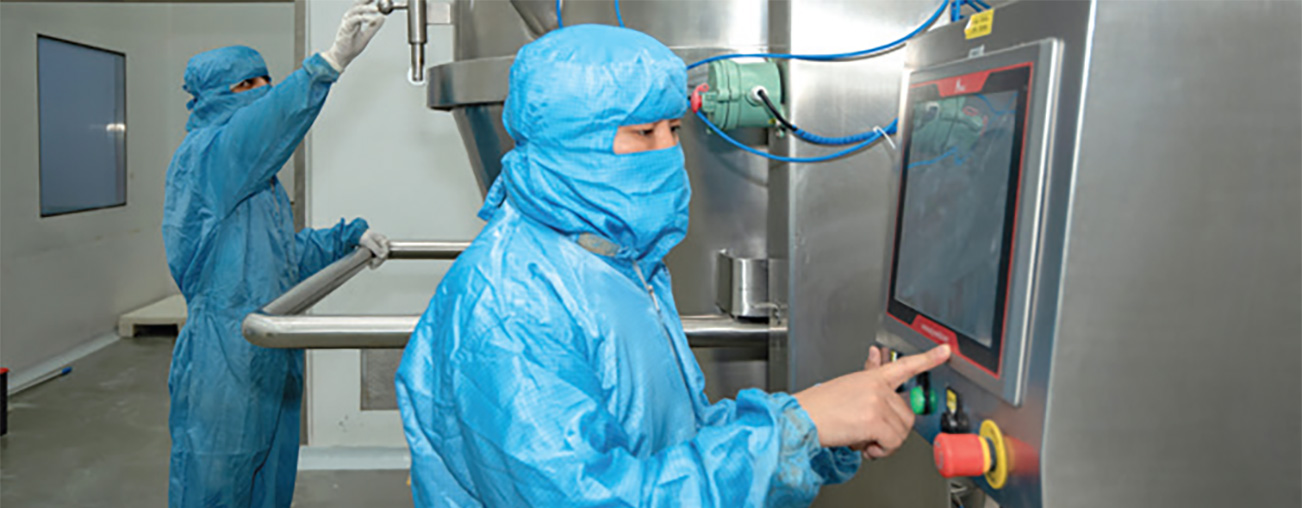
Automation and Digitization: We are implementing digital projects related to manufacturing 4.0 across multiple facilities. In addition, we are also implementing initiatives such as product traceability, improved packaging processes, advanced screening systems, and enhanced data tracking systems.
Quality: We conduct regular inspections and audits both internally and through regulatory authorities and third-party consultants to ensure the quality and reliability of our products. Additionally, all our products are manufactured and marketed in compliance with all quality parameters relating to assay, purity, safety, and efficacy.
Cost Efficiency: We are committed to being costeffective in all our operations, and to accomplish this, we have many cross functional teams which help us focus on competitive productivity with quality, safety and cost optimization.
Global Presence: We strive to leverage our global network and presence to take advantage of advanced logistics and local sourcing.
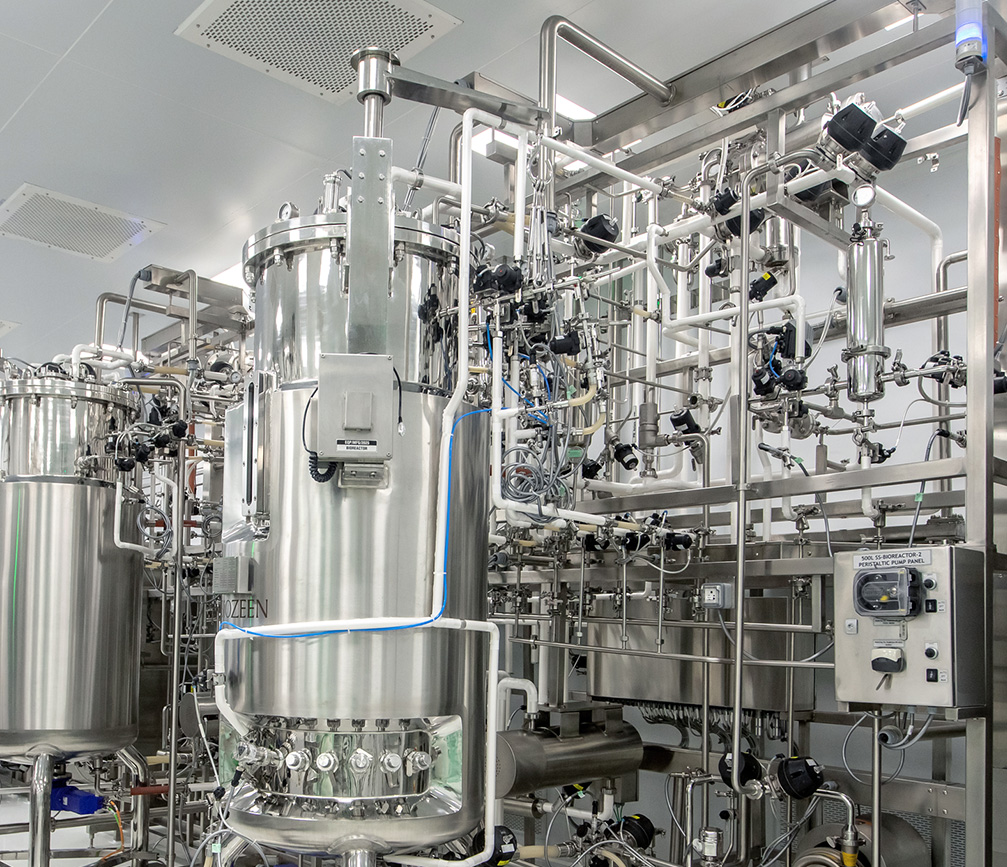
The recent disruptions to global supply chains and manufacturing networks have caused organizations to recalibrate how they do business. As an organization, we are cognizant of these disruptions as well as the accelerated pace at which these changes continue to impact global and regional economies.
However, through our robust global manufacturing network we believe we can absorb all external shocks. The global presence and distribution of our network is one of the core strengths of our organization, and with a manufacturing presence across multiple geographies, we can take advantage of improved logistics, optimization of resources, and local sourcing.
Further, our global manufacturing network also allows regional manufacturing sites to access tools, research, technologies, and raw material that may not be available in their home countries.
"At Lupin we strive to develop effective manufacturing systems that bring together the capabilities of our global manufacturing sites. These systems and synergies between our global sites ensure our products are of the highest standards and meet our customer needs."
President,
Manufacturing Operations

Lupin received the prestigious International Sustainability Rating System (ISRS), 8th edition certification for four of its sites located in Mandideep, Tarapur, Ankleshwar and Dabhasa. Lupin is also the only pharmaceutical company in the world to have attained ISRS Level 7 certification for three of its facilities — Ankleshwar, Mandideep and Tarapur.
This certification is a strong endorsement of the practices that have been adopted with regard to Risk Management, Safety and Sustainability at our manufacturing sites. By 2025, we intend to get all our API sites and at least one formulation site certified by ISRS.
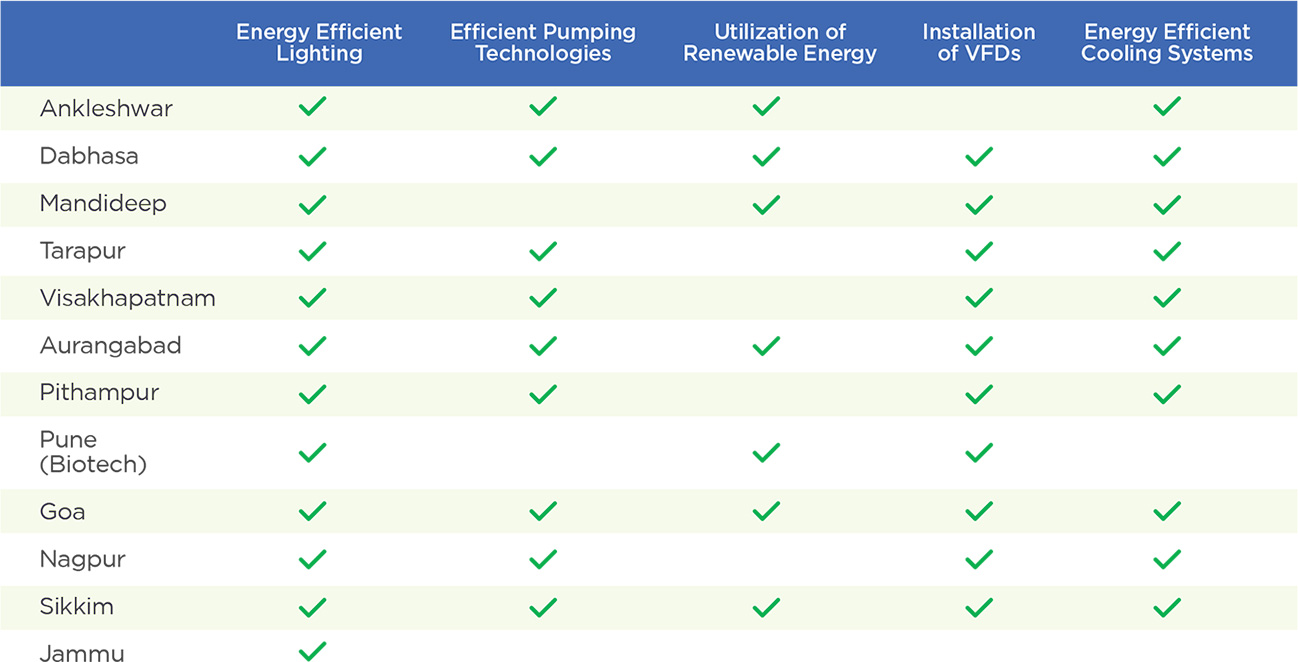
We are committed to improving our operational efficiency and we recognize our responsibility to minimize our environmental footprint. To optimize energy efficiency across our sites, we have implemented a multitude of measures across the board, both in India and around the world.
A variety of energy-efficient measures, such as energy-efficient lighting, efficient pumping technologies, the utilization of renewable energy, and the installation of variable frequency drives (VFDs) and energy-efficient cooling systems are being implemented. Further, we are also exploring opportunities to increase our use of cleaner fuels, including those made from agricultural-waste biomass briquettes and natural gas. Lastly, we are introducing fuel additives to enhance the efficiency of combustion in our boilers.
In order to standardize our sustainability efforts across our entire organization, we have implemented these processes across our manufacturing sites and research center.
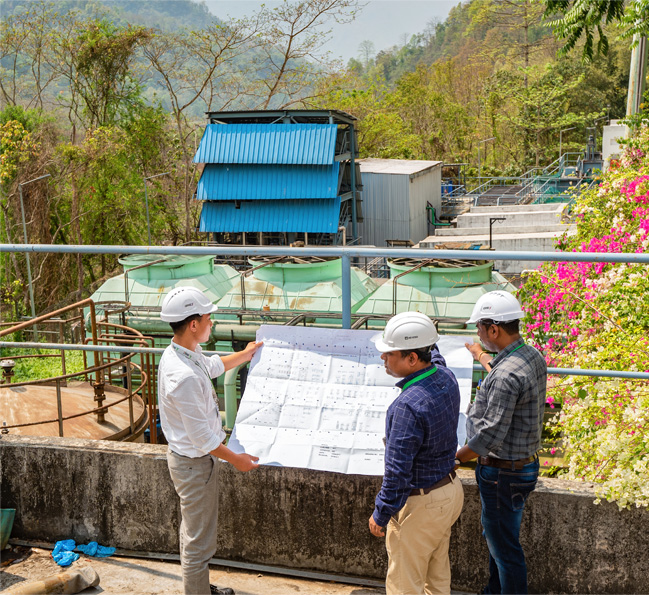
Contribution of renewable power increased by 5.3 MW at Ankleshwar and Dabhasa by switching to Hybrid Power. This is equivalent to 200 Lakhs KWH addition through Renewable power annually.

Lupin is continuously enhancing and expanding its manufacturing base in order to meet global market demands for diverse and complex products.
Currently, Lupin Biotech has a portfolio of seven molecules that are in various stages of development and commercialization, serving key markets like the United States, the European Union, Japan, India, and other emerging markets. The global nature of our operations and development of Biosimilars makes us one of the key players in this area.
Our portfolio has evolved over the years from being primarily oral solids to including much more complex generics, such as injectables, biosimilars and inhalation products. We have three primary lines of Biosimilars which include 2 X 1000 liters, 3 X 1000 liters, and 4 X 2000 liters (under qualification) Mammalian Manufacturing, 1 X 100 liters Microbial, and PFS and Vial lines with total annual capacity of 1 Mn units (combined) for Drug Product. We have now begun producing Etanercept Biosimilar in the new DS facility in FY22.
We are committed to ensuring that all our sites, including our Biosimilar sites conform to the regulations that have been set in place, with regular audits and compliance checks being conducted. All of our facilities have already been approved by the EU and Japanese regulatory authorities, as well as those from several emerging markets.
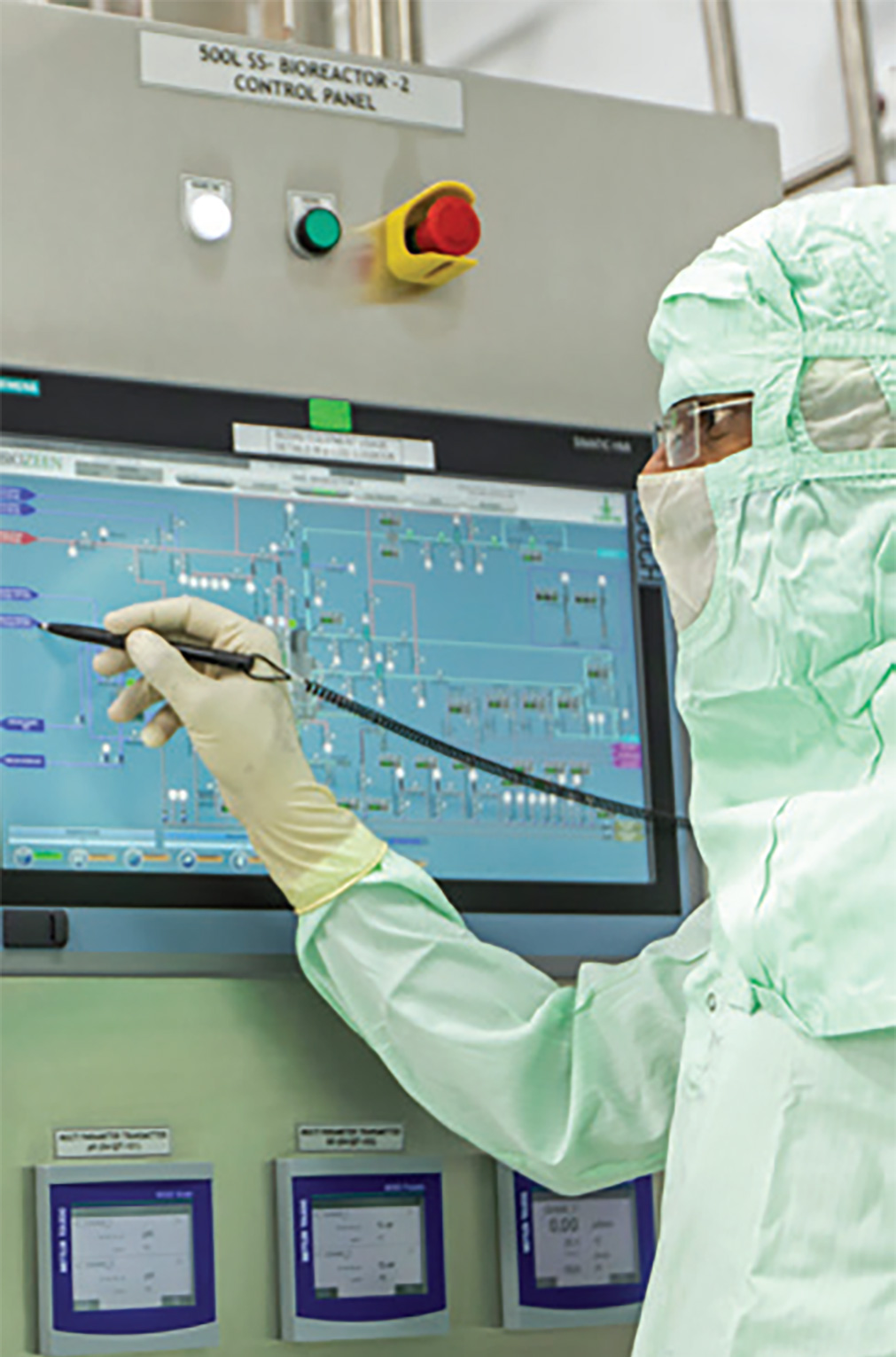

We continue to invest in our manufacturing facilities in order to enhance the efficiency and effectiveness of our processes. We have actively invested in automation technologies aimed at screening and inspection, cleaning and washing, and storage and data-tracking systems.
We are conscious about maintaining the progress made over the last one year and remaining ahead of the curve by investing in cutting-edge technologies to create better efficiencies, enhance profitability and remain competitive. Therefore, we continue to invest in automating processes and enhancing our systems to minimize errors and produce the highest quality of products.

As we prepare for Industry 4.0, we are making strides towards leveraging the power of big data, predictive analytics, and digital tools across the value chain. In doing so, we are paving the way for transformational change. As part of this journey, we have launched the Accelerated Digital & Analytics Performance Transformation (ADAPT) project. The project has been launched at three of our manufacturing sites, namely Goa, Tarapur and Nagpur.
Through the ADAPT program, we are working together towards three specific goals:
Through these three specific goals, we will be able to deploy high-potential Digital and Analytics (DNA) use-cases across departments and build a digitalnative organization with at-scale DNA capabilities and effective change management to scale up interventions across the network.
Under project ADAPT, we have identified 24 use cases for implementation on a central Industrial Internet Of Things (IIOT) platform. These 24 use cases are predominantly categorized under the following areas:
We believe that automation and technology hold special significance for our Industry and provide practically limitless opportunities.

Quality is a way of life at Lupin, one that is characterized by rigorous discipline, unfailing checks, and unwavering commitment to excellence. Our Quality Policy and Quality Management Standards guide our business operations. We have an established Corporate Quality Assurance (CQA) function, which links our research and manufacturing functions. The CQA function ensures a standardized common quality system, ensuring consistency, efficiency, and effectiveness in manufacturing APIs and formulations across all our sites.
By simplifying operations across a broad range of products, organizations, and processes, we mitigate the risk of potential regulatory non-compliance.
As per the company’s quality process, products are manufactured and marketed in compliance with all quality parameters relating to identity, purity, safety, and efficacy, including Good Manufacturing Practice (GMP) regulations and Good Laboratory Practice (GLP) regulations. Executive management ensures compliance with the company’s Quality Policy, as well as the requirements of customers or the intended market. Lupin has complete control over the design and manufacture of goods to meet these requirements and provides adequate confidence to its customers regarding its products.
Enhancing our quality systems is a continuous process. In order to achieve this, we have developed a Global Quality Action Plan, a holistic approach that addresses the entire cycle of a quality process, right from recruiting to driving global standardization across all our manufacturing sites under a single quality system.
With over 2,700 professionals in Quality alone, we are continuously developing and implementing policies that ensure compliance with global regulatory standards. Lupin firmly believes that maintaining regulatory and compliance standards is key to ensuring superior quality, and is a critical differentiating factor.
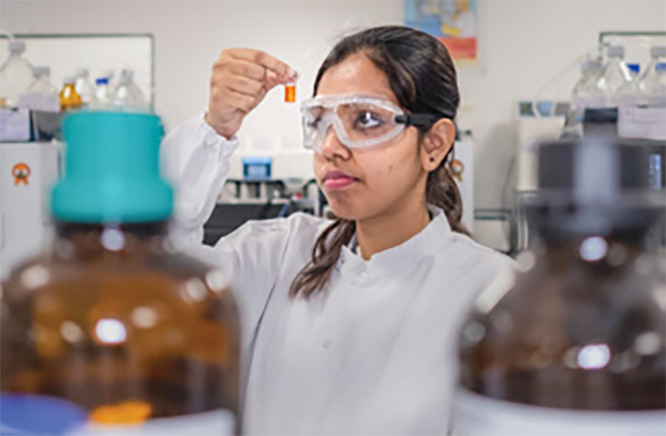
Our ‘Quality First’ program is based on a set of values that serve as guidelines in creating a culture where we strive to provide the highest quality output. The purpose of this program is to make an orbital change in our procedures, investigation methods, corrective action plans, training effectiveness and product robustness.
We are working on various work streams like SOP effectiveness, Lupin Walk the Talk, People Readiness, Investigation/CAPA/Training Effectiveness and Product Robustness, etc.
Starting from Pithampur Unit-2 in 2019 to now encompassing eight manufacturing sites, the Quality First program is redefining the way we perceive quality at Lupin as well as strengthening the culture of putting “Quality First.” As we move forward, we will introduce new initiatives as well as ramp up several other activities that we have undertaken under the Quality First umbrella. “Knowledge Corner” that was started at Pithampur site and “Level Up program” at Mandideep are examples of newly introduced initiatives.
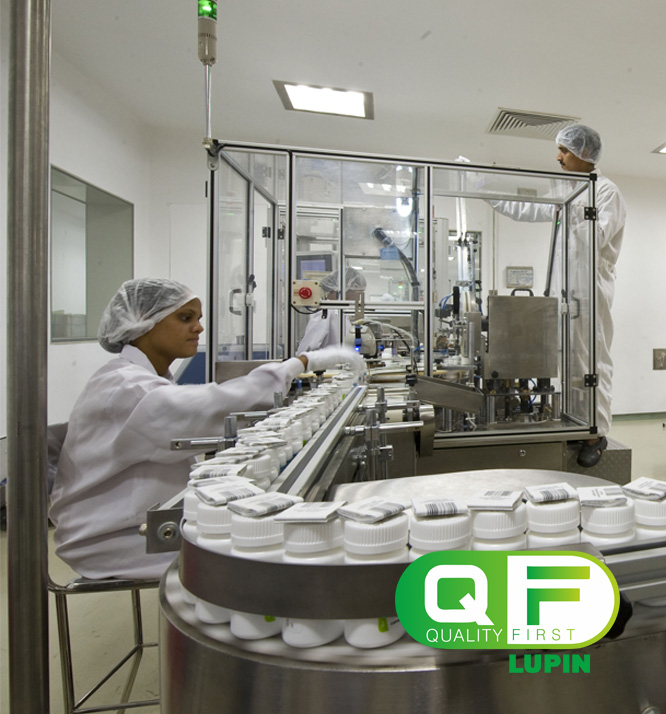
Our World Class Labs program is a one-of-a-kind initiative that aims to bring all quality laboratory operations in our organization to a Five Sigma quality level.
Within this program, several process innovations have been identified and implemented, including material kitting, dedicated mobile phase preparation, software upgrades, and the improvement of coluMn performance through the use of monitoring systems, which measure historical performance of each coluMn and detect inconsistencies to minimize errors through OEM learning.
Among our key goals in this initiative is to reduce laboratory incidents by implementing multiple technology solutions. As an example, we implemented 500 barcode readers in 15 labs to eliminate transcription errors. Automating the process of phase preparation through mobile devices is also in progress. The first phase of implementation will take place in our Goa facility and will be completed by 2022. Further, automatic dispensers are being implemented to eliminate dilution errors during analysis. Similarly, a unidirectional lay-out has been designed for most of the formulation and API labs along with double door glasswashers to prevent contamination.
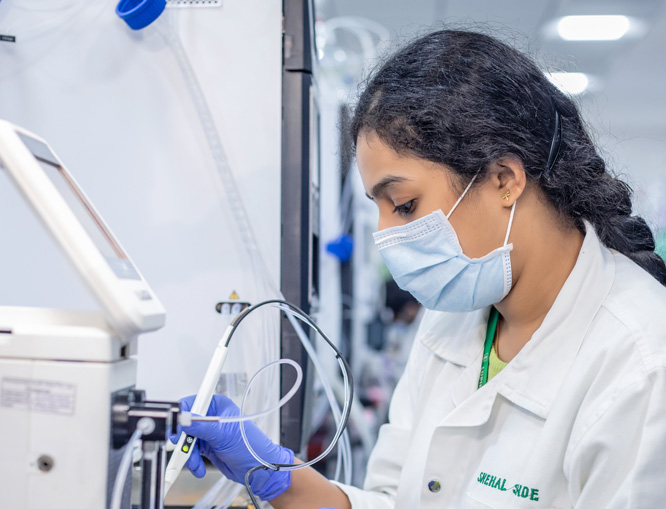
The success of our World Class Labs program relies heavily on the expertise of our analysts. The Lupin Quality Excellence Awards program honors high performing employees for achieving quality improvements.
The Quality Excellence Awards provide an opportunity for individuals to share their stories, present their work, and motivate their colleagues. With this award, Lupin has created a platform for everyone to share their success stories and to raise the bar for quality initiatives across the company.
The quality excellence awards are presented annually to the best performing sites and to the best performing employees.
Automated systems: Lupin uses automated systems that inspect the quality of its products. Defective products are discarded using precision systems, thereby reducing downtime and rework. This leads to superior quality and prevention of product recalls. Camera and software-based technologies are used in combination to improve manufacturing processes, ensure product quality and to reduce defects.
Electronic Batch Process Records (eBPRs): eBPR is a system that stores batch-wise data related to operations, manufacturing, procurement, supplies and more that would relate to manufacturing activities. The eBPR is used to streamline compliance procedures, improve operational efficiency, and reduce human error in batch manufacturing processes. It monitors manufacturing activity in real time and provides comprehensive analysis and reporting of system processes. This facilitates effective batch processing evaluation and analysis. By streamlining processes and operations, it reduces paper consumption as well as improves data integrity and accuracy. eBPR is currently being implemented at our Nagpur Plant and will be expanded to other locations in phases.
Dashboards and platforms: The Enterprise BI dashboard provides quick and easy access to data for Production, Quality and Investigation. These dashboards provide high-level summaries of important metrics, support decision-making and ultimately allow a more effective use of resources, and increase the quality of the product and effectiveness of operations.
Lupin is a member of the Indian Pharmaceutical Association (IPA) which organizes its annual flagship event called the India Pharmaceutical Forum. In order to achieve global quality benchmarks, IPA assists Indian pharmaceutical manufacturers in adopting best practices through industry collaboration. Lupin is involved in several industry-wide quality initiatives. Lupin also provides feedback on guidelines and adopts benchmarks, best practices and training modules to ensure world class quality standards.
 Assurance Statement