

Manufacturing
Capital
Propagating Hope to Healing through Smart, Safe, and Resilient Manufacturing
Manufacturing at Lupin goes beyond serving as an operational backbone; it mirrors our enduring commitment to earning patients’ trust by providing access to high-quality, reliable medicines.
Built on decades of scientific expertise, innovation, and rigor, our manufacturing capabilities enable us to deliver safe, effective, and affordable medicines to patients worldwide. Our Manufacturing Capital is a global ecosystem grounded in quality, safety, compliance, reliability, and efficiency, spanning the production of Active Pharmaceutical Ingredients (APIs) and a wide range of formulations, including oral solids, inhalation, injectables, biosimilars, ophthalmic, topical, nasal, and other therapies.
Guided by our heritage and purpose of promoting health, we continue to fortify this foundation through investments in technology, quality systems, operational excellence, and resilient supply chains. These efforts help ensure that every product meets rigorous quality standards and reaches patients with responsibility and care.
In FY26, we continued to invest in capacity expansion, infrastructure modernization, and technology upgrades to improve efficiency, strengthen supply reliability, and build resilience across our manufacturing network. Our efforts were driven by four priorities – digital and data-led manufacturing enablement, process innovation and technology advancement, operational excellence and productivity, and manufacturing capability building and development.
Underpinning these initiatives is our steadfast commitment to ‘Quality First’, a leadership-led culture of excellence that shapes how we deliver consistent, compliant, and high-quality outcomes across markets.

15
Global
Manufacturing Sites
15
U.S. FDA Approved
Units
22,538 Mn
Total Formulation Units
Manufactured
3,372 MT
API Quantity
Manufactured
Material Topics

Compliance

Customer Health and Safety

Artificial Intelligence (AI) and Digitalization

Circularity and Waste Management

Water Management

Product Quality, Safety, and Recall Management
Management Approach
Manufacturing excellence is integral to how we deliver on our purpose of catalyzing treatments that transform hope into healing. At Lupin, manufacturing embodies both pride and purpose, with patient safety at the heart of everything we do. Our systems are designed to embed quality at each step of production, while ensuring reliability, transparency, regulatory compliance, and right-first-time execution. Supported by strong research and development capabilities, advanced technology platforms, and resilient supply chains, our global manufacturing capabilities enable efficient and sustainable production across our operations.
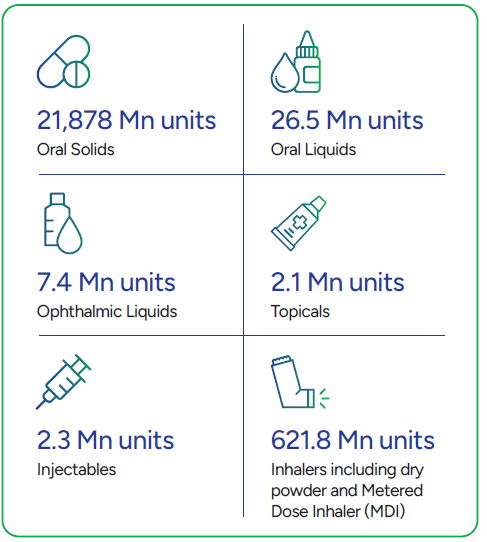
In FY26, our manufacturing capabilities supported the large-scale production of 22,538 million formulation units and 3,372 MT of APIs across oral, injectable, topical, ophthalmic, and inhalation therapies, each produced with a deep sense of responsibility to patients globally.
Units Manufactured
Global Manufacturing Network
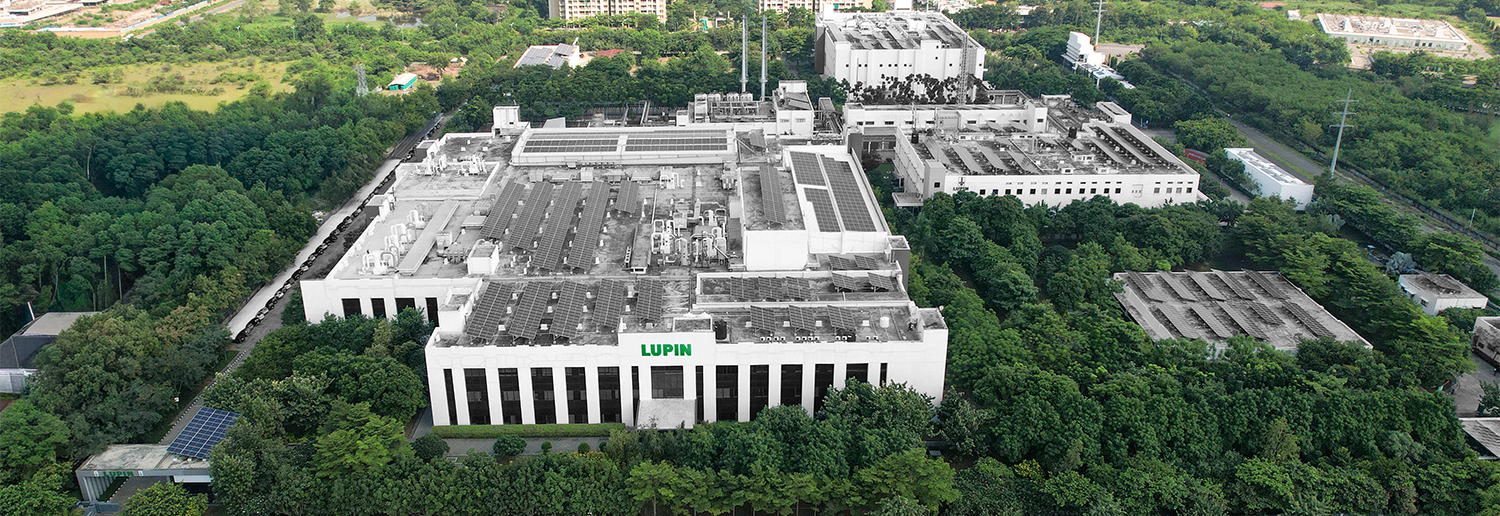
Lupin operates a diversified, globally compliant manufacturing network through 15 world-class facilities across Asia, Europe, and the Americas. Our facilities integrate cutting-edge technology, environmental stewardship, quality systems, and operational excellence to create a manufacturing ecosystem that is resilient, resource-conscious, and future-ready. This approach supports access to safe, affordable medicines produced in accordance with stringent current Good Manufacturing Practice (cGMP) standards while also contributing to sustainable long-term value creation.
In FY26, we continued to invest in capacity expansion, debottlenecking, infrastructure modernization, automation, and process efficiency. These investments were focused not only on capacity creation but also on improving asset utilization, cost competitiveness, supply reliability, and sustainable margin improvement.
Manufacturing excellence is built, not inherited. By integrating world-class quality systems, advanced technologies, resilient supply chains, and exceptional people, we ensure patients around the world can rely on Lupin every day.
Christoph Funke
Chief Technical Operations Officer
In FY26, we continued to invest in capacity expansion, debottlenecking, infrastructure modernization, automation, and process efficiency. These investments were focused not only on capacity creation but also on improving asset utilization, cost competitiveness, supply reliability, and sustainable margin improvement.
| Investment Area | Purpose |
|---|---|
| Capacity enhancement and debottlenecking across key API and formulation facilities | To improve supply reliability, increase throughput, and maximize capacity utilization while supporting growing demand |
| Infrastructure modernization to improve reliability, safety, and compliance | To augment operational resilience, minimize downtime, and maintain consistent regulatory compliance with global standards |
| Technology upgrades to support complex dosage forms and long-term growth | To improve manufacturing efficiency, reduce variability, and support future product portfolios and growth |
| Targeted investments in automation and process efficiency | To reduce manual intervention, improve productivity, and drive cost efficiencies, contributing to margin improvement |
Global Technical Operations – Integrated Operating Model
Our Global Technical Operations (GTO) drives Lupin’s manufacturing performance by unifying Manufacturing, Supply Chain, Procurement, Engineering, Operational Excellence, and Environment, Health and Safety (EHS) under an integrated operating model.
By aligning these functions within a unified framework, GTO enables seamless cross-functional decision-making, standardized execution, and consistent performance across the manufacturing network. This integrated model ensures that efficiency, quality, cost competitiveness, supply reliability, compliance, and sustainability are managed holistically.

Manufacturing Advancement Priorities
The GTO operating model provides a common execution foundation across facilities and functions, enabling enterprise priorities to be translated into focused actions across the manufacturing network. During the year, we drove progress by targeting four priority areas.
Key Focus Areas
 Digital and
Data-Led Manufacturing Enablement
Digital and
Data-Led Manufacturing Enablement
 Process
Innovation and Technology Advancement
Process
Innovation and Technology Advancement
 Operational
Excellence and Productivity
Operational
Excellence and Productivity
 Manufacturing Capability Building and Development
 Digital and Data-Led
Manufacturing Enablement
Digital and Data-Led
Manufacturing Enablement
In FY26, digital enablement in manufacturing focused on improving agility, traceability, compliance confidence, and execution reliability. We broadened the adoption of sophisticated digital platforms, including Manufacturing Execution Systems (MES), Laboratory Information Management Systems (LIMS), PAS-X Manufacturing IT Solutions (PAS-X), Industrial Internet of Things (IIoT), Robotic Process Automation (RPA), and real-time monitoring systems. These platforms improved process visibility, reduced manual intervention, enabled earlier issue detection, and accelerated data-driven decision-making across manufacturing and quality operations.
Together, these initiatives strengthened data integrity, reduced the risk of human error, lowered the documentation burden, and supported consistent right-first-time execution.
Key Enterprise-Wide Initiatives
- Advancing digital manufacturing through Centralized Data Acquisition System (CDAS) and IIoT integration at Tarapur and Nagpur, enabling real-time batch monitoring and batch-to-batch analytics
- Expanding paperless execution through MES/PAS-X, EBR deployment, automated batch archiving, Manufacturing Statistical Unit (MSU)-based material traceability, and digital annexure management, elevating ALCOA++ compliance and enabling faster batch release
- Driving productivity through automation and RPA-led workflows that reduce repetitive documentation tasks, improve accuracy, shorten cycle times, and expand workforce efficiency
- Enabling data-driven operations through real-time dashboards tracking throughput, WIP, and packing-line performance, facilitating bottleneck identification, and optimizing cycle times across facilities
Facility-Level Digital Milestones
At the facility level, our teams leveraged digital tools to reinforce execution discipline, deepen compliance confidence, and increase operational reliability.
| Facility | Digital Milestone |
|---|---|
| Goa | Implemented paperless packing operations through e-BPR, enabling online verification of approved packaging artwork and digital execution of checklists and annexures. |
| Chhatrapati Sambhajinagar | Installed PLC-based Human Machine Interface (HMI) systems for centralized Heating, Ventilation, and Air Conditioning (HVAC) auto-control and interval-based digital logging, eliminating manual records and supporting cGMP compliance. |
| Nagpur | Enabled IP and finished product testing in LIMS and optimized High Performance Liquid Chromatography (HPLC)/Ultra Performance Liquid Chromatography (UPLC) calibration processes. |
| Pithampur | Advanced digitalization through SAP-based material verification at Unit-1 and e-BPR implementation for MDI formulations at Unit-3. |
| Ankleshwar and Nagpur | Successfully went live with the PRISM project in December 2025, marking the first API facility implementation at Ankleshwar and Formulation (FML) facility implementation at Nagpur. |
| Pithampur (Unit-3) | Completed Electronic Batch Record (EBR) implementation, transforming paper-based batch execution into fully digital workflows with real-time equipment data capture, faster batch review, and improved investigation support. This delivered annual savings of INR 12 million with strong long-term Return on Investment (ROI). |
By implementing these digital initiatives, we are reducing sources of human error, minimizing manual documentation, improving real-time data capture, amplifying traceability, and enabling automated checks across manufacturing and quality workflows. This allows teams to spend less time reconciling information and more time improving process control, quality assurance, and patient-focused supply reliability.
 Process Innovation and
Technology Advancement
Process Innovation and
Technology Advancement
At Lupin, process innovation focuses on making manufacturingprocesses simpler, more robust, scalable, and efficient whilemaintaining product quality and regulatory compliance. In FY26,this agenda progressed across Active Pharmaceutical Ingredient(API) and formulation operations through process simplification, yield improvement, impurity control, resource efficiency, and future portfolio readiness. These actions contributed to lower material intensity, better asset utilization, stronger process consistency, and improved cost performance.
Sustainability-oriented process improvements were also undertaken, including initiatives to reduce solvent usage, minimize waste, and improve resource efficiency. In parallel, process development teams bolstered risk-mitigation approaches for emerging regulatory concerns, including process-related impurities and nitrosamine risk in selected API processes, thereby enhancing regulatory readiness and product safety.
Process innovation also supported future manufacturing readiness with the development of new API processes for regulated and emerging markets. These initiatives proceeded through defined stage gates, including process design, exhibit batches, stability studies, and regulatory filing preparation. Together, they are helping build a manufacturing platform that is more agile, cost-competitive, resource-efficient, and capable of supporting future growth.
| Action Taken | Outcome |
|---|---|
| Simplified multi-step manufacturing pathways and reduced process complexity across selected API categories | Improved cycle efficiency, better asset utilization, and stronger cost competitiveness |
| Implemented yield improvement and resource optimization initiatives across selected therapeutic categories | Reduced material losses, better conversion efficiency, and reinforced operational efficiency |
| Strengthened impurity control and risk mitigation strategies, including nitrosamine risk management | Sharpened product safety, regulatory compliance, and process robustness |
| Progressed selected sustainability-oriented process improvements to reduce solvent use and waste generation | Better resource efficiency and more responsible manufacturing practices |
| Accelerated new process development through structured stage gates for regulated and emerging markets | Augmented future manufacturing readiness and portfolio resilience |
Case Study
Packaging Development for Responsible Growth
Why it matters
Packaging is an integral component of Lupin’s manufacturing system. It influences product protection, patient experience, regulatory compliance, supply chain efficiency, and environmental impact. Thoughtful packaging design not only helps ensure medicines remain safe and protected but also bolsters material efficiency, logistics performance, and resource use.
What we did
In FY26, packaging development initiatives were aligned with broader manufacturing
priorities,
with a focus on design optimization, material efficiency, and logistics performance while
ensuring product integrity and compliance with regulatory requirements.
Targeted interventions were undertaken to simplify packaging configurations and boost
efficiency
across the value chain. These included adopting digital alternatives to physical patient
information wherever permitted by regulations, removing redundant packaging layers through
design improvements, and optimizing carton and shipper configurations to improve packing
density
and transportation efficiency. The initiatives were implemented selectively, with careful
consideration to patient safety, product protection, and regulatory expectations.
Impact
Our efforts contributed to improved material efficiency, reduced packaging intensity, better
logistics utilization through pallet and packing density optimization, and lower handling
complexity across manufacturing and distribution operations. They also helped reduce our
environmental footprint through lower material usage and resource consumption.
The initiatives delivered measurable improvements in cost efficiency and resource
conservation,
demonstrating how packaging innovation supports operational performance while advancing
Lupin’s
sustainability objectives.
 Operational Excellence and
Productivity
Operational Excellence and
Productivity
In FY26, operational excellence at Lupin emphasized better capacity utilization, productivity, cost efficiency, and execution reliability across the manufacturing network. Our approach remained people-led and systems-enabled, combining disciplined execution with structured improvement programs to support consistent, high-quality manufacturing outcomes and reliable supply.
During the year, we prioritized targeted debottlenecking, equipment upgrades, batch scale-ups, process optimization, automation solutions, and Lean Six Sigma-led improvements across API and formulation operations. These initiatives helped improve throughput, reduce process variability, optimize shop-floor traceability, and improve right-first-time execution across facilities.
Key Enterprise-Wide Initiatives
-
Capacity and Throughput Enhancement
Initiative – Targeted debottlenecking, equipment upgrades, and batch scale-up initiatives were implemented across API and formulation operations, supported by GTO acceleration programs.
Outcome – These efforts delivered capacity improvements of approximately 8–15% across selected manufacturing lines, improving asset utilization and supply reliability across key therapeutic categories.
-
Yield Performance and Cost Efficiency
Initiative – Targeted process optimization, QC interventions, and Lean Six Sigma initiatives were implemented across multiple facilities to improve yield performance and reduce variability.
Outcome – These initiatives delivered yield improvements of approximately 3–10% across selected processes, contributing to cost efficiency while maintaining quality and compliance standards.
-
Process Consistency and Overall Equipment Effectiveness (OEE)
Initiative – SOP simplification, process standardization, shop floor improvement initiatives, and structured continuous improvement programs were implemented to improve process consistency and equipment effectiveness.
Outcome – These actions improved OEE, reduced execution variability, and supported right-first-time performance.
-
Automation and Execution Efficiency
Initiative – Automation solutions, digitized scanning, and improved process controls were deployed across manufacturing and packaging operations to reduce manual intervention and improve traceability.
Outcome – These interventions delivered cycle time reductions of approximately 10–20%, lowered manpower dependency, minimized sources of human error, and improved shop floor traceability.
-
Packaging and Logistics Efficiency
Initiative – Packaging optimization and related process improvements were prioritized to increase packing density, improve packing efficiency, and simplify material handling across operations.
Outcome – These initiatives delivered step-change improvements in packing efficiency, including up to approximately 2x improvement in packing density in select cases, resulting in better logistics utilization and reduced handling complexity.
-
Network-Wide Productivity and Cost Discipline
Initiative – Structured productivity programs and continuous improvement practices were implemented across multiple facilities to drive operational efficiency and cost discipline.
Outcome – These efforts delivered measurable efficiency gains, improved cost performance, and reinforced Lupin’s position as a competitive and cost-efficient manufacturing network.
These actions improved throughput, reduced variability, reinforced traceability, and elevated cost performance across manufacturing operations.
Case Study
Process Optimization and Resource Efficiency in Ankleshwar
Why it matters
Responsible manufacturing requires constant attention to resource use, process efficiency, environmental performance, and cost competitiveness. At Ankleshwar, teams identified opportunities to reduce waste and optimize resource efficiency without compromising productivity, quality, and compliance.
What we did
The Ankleshwar facility implemented process optimization and resource efficiency initiatives across its manufacturing operations. Key interventions included raw material and solvent optimization in Ethambutol Raw Material Cost (RMC), achieved through a 6% improvement in IPA (Iso-Propyl Alcohol) recovery. Further, through new vendor development, fresh sulfuric acid was substituted with spent sulfuric acid.
Impact
These initiatives delivered cumulative cost savings of INR 24.3 million while deepening sustainability and operational resilience. They demonstrate how site-level teams can convert process insight into measurable value for the business, the environment, and patients who rely on uninterrupted medicine supply.
 Manufacturing Capability
Building and
Development
Manufacturing Capability
Building and
Development
In FY26, capability building focused on elevating people, leadership practices, technical expertise, and execution discipline required to support a future-ready manufacturing network. Our approach was inspired by the belief that technology, systems, and processes create sustained value only when supported by capable, confident, and accountable teams.
Capability development during the year was closely aligned with the GTO framework and embedded into daily operations through leadership programs, technical training, and frontline development initiatives.
Key Enterprise-Wide Initiatives
-
GTO Operating Framework
Initiative – Capability building was aligned with the GTO operating framework, which integrates manufacturing, supply chain, procurement, engineering, and EHS into a unified operating system. Through the deployment of the GTO toolbox across facilities, teams adopted more consistent ways of working and embedded structured problem-solving practices.
Outcome – This approach improved cross-functional alignment, standardized problem-solving, and helped teams translate strategic priorities into measurable operational outcomes across the network.
-
Leadership Capability and the 45-Degree Zone
Initiative – Leadership programs such as ENHANCE and SEED were deployed to build strategic thinking, execution excellence, and people leadership across manufacturing and technical operations. A key principle embedded in these programs is the 45-Degree Zone, which guides leaders to balance performance delivery with team capability and commitment.
The 45-Degree Zone represents the optimal balance between performance delivery and capability development. Overemphasis on delivery may produce short-term results that are difficult to sustain, while capability building without execution can weaken performance outcomes.
Outcome – Embedding this principle enabled leaders to make more balanced decisions across short-term and long-term priorities, supporting sustained operational performance without compromising capability depth.
-
Technical and Functional Depth
Initiative – Targeted technical training and external partnerships were leveraged across manufacturing, quality, and engineering functions with a focus on process understanding, regulatory expectations, analytical capability, and emerging technologies.
Outcome – These initiatives deepened technical expertise, improved problem-solving capability, and supported robust, reliable, and compliant manufacturing operations.
-
Frontline Capability and Execution Discipline
Initiative – Focused initiatives were implemented through structured shop-floor training, leadership interventions, GTO-aligned programs, and role-specific learning modules to build frontline capability. These efforts emphasized accountability, communication, and adherence to standardized practices.
Outcome – These efforts improved right-first-time execution, operational consistency, and ownership, while reducing variability across manufacturing processes.
-
Exposure to Global Best Practices and Emerging Risks
Initiative – Leaders and technical teams participated in industry forums, technical platforms, and specialized programs focused on manufacturing excellence, regulatory trends, impurity management, and product safety.
Outcome – This exposure improved regulatory awareness, broadened technical perspectives, and sharpened organizational preparedness for evolving industry expectations.
Through these initiatives, we are integrating strategy, systems, and people development to build a more resilient and capable manufacturing organization.
Strategic Performance Areas
Execution is guided by clearly defined Strategic Performance Areas (SPAs), which translate long-term priorities into measurable outcomes, frontline actions, and shared accountability across facilities and functions.
Introduced in FY24, the six SPAs have matured into effective performance enablers. After two years of focused execution, several three-year commitments have been achieved ahead of schedule, reflecting disciplined implementation and shared ownership across teams.
| Strategic Performance Areas | Future State | Progress to Date |
|---|---|---|
Quality and Regulatory Compliance

|
We aim to build a digitally enabled, inspection-ready, integrity-driven ‘Quality First’ culture where empowered employees, strong governance, and modern technologies ensure ethical, reliable, and continuously improving operations. |
Excellence in quality was institutionalized enterprise-wide as a non-negotiable standard, anchored in discipline, transparency, and audit-readiness. This commitment was reinforced through rigorous Gemba practices, SOP harmonization, and frontline capability building. In parallel, digital quality transformation was accelerated by deploying platforms such as Chromeleon, LIMS dashboards, Electronic Batch Manufacturing Record (EBMR), and Quality Centers of Excellence. These initiatives have enabled real-time visibility, improved process control, and reinforced our ability to anticipate and respond to emerging risks with precision. Manufacturing and quality resilience were further refined through facility modernization, increased automation, rollout of Quality Systems, adoption of AI-enabled tools, and phased virtual reality training for oral solid dosage forms. Collectively, these interventions are enhancing data integrity, improving predictability, and reinforcing regulatory confidence. |
Customer Focus and Growth

|
We play in and lead the top league with unprecedented performance. We are known among customers for our relentless capability to provide quality with the highest reliability. This is what fuels our continued growth. |
Customer service performance reached new levels of excellence, with On-Time In-Full (OTIF) achieving all-time highs. This contributed to lower Failure-to-Supply (FTS) penalties and improved Anti-Retroviral (ARV) service levels, reinforcing our position as a trusted and preferred partner in institutional markets. End-to-end supply reliability was further fortified by institutionalizing Integrated Business Planning and Kinaxis-enabled real-time global visibility. These measures have enabled more agile and proactive demand–supply balancing, ensuring continuity, responsiveness, and consistency across our supply network. Integrated planning and cost efficiency were augmented through harmonized product planning across key formulation facilities, including Nagpur, Indore, Goa, and Chhatrapati Sambhajinagar. Despite a challenging geopolitical environment, these efforts helped maintain logistics costs at all-time lows, reflecting disciplined execution and resilience across operations. Collectively, these advancements reflect a supply chain that is increasingly agile, integrated, and dependable. They elevate our ability to deliver with consistency, build customer trust, and ensure that patients have timely access to the medicines they rely on. |
Cost Leadership

|
We have unconstrained thinking to become cost-efficient. We continuously work in collaboration to ensure that we are among the top 10 most competitive players in the industry. |
In FY26, disciplined execution across the value chain translated into notable performance outcomes, surpassing savings targets across manufacturing, procurement, logistics, and network optimization initiatives. These achievements demonstrate a sustained focus on embedding efficiency as a core operational principle. Margin expansion was further supported through targeted Operational Expenditure (OPEX) optimization, yield enhancement, and raw material efficiency programs across both API and formulation operations. These efforts were backed by structured Continuous Improvement (CIP) initiatives that reinforce a culture of ongoing refinement. Cost discipline was deepened through strategic logistics optimization, including modal shifts from air to ocean freight and proactive renegotiation of freight contracts. In parallel, the adoption of zero-based budgeting introduced greater rigor in resource allocation, unlocking incremental efficiencies while reinforcing accountability across functions. |
Technology Leadership

|
We are leveraging our technologies effectively and keep investing to stay ahead of the competition. We continuously evaluate and invest in new technology (i.e., Gen AI, continuous manufacturing, etc.) that contributes to our winning strategy. |
End-to-end operational visibility was improved through the implementation of throughput dashboards, supply chain control towers, EBMR, and LIMS/QC schedulers. These enabled faster decision-making and shorter release timelines. Manufacturing performance was enriched through IIoT-led improvements and advanced analytics, delivering greater consistency, sustained yield gains, lower deviations, and reduced operating costs. Quality and decision effectiveness were elevated through predictive quality tools such as RADAR, along with GenAI solutions, including Manufacturing and Maintenance Insights Hub (MMIH) and quality document co-author. These tools help reduce batch risk and accelerate documentation cycles. |
Environmental, Social, and Governance (ESG)

|
We take a proactive approach to ESG, moving from a leadership-driven to a workforce-driven culture. ESG is a differentiator and an integral part of our strategy. This will be driven on three pillars – Sustainability, Diversity, and EHS (manufacturing facilities). |
ESG priorities were integrated more deeply into business planning and operational execution. A science-based Scope-3 roadmap was defined, targeting approximately 61% emission intensity reduction by FY33. Supplier engagement for this is underway. Health and safety programs were institutionalized across global operations, refining preventive controls and workforce ownership. Diversity and inclusion governance was established through a diversity council, second-shift enablement, and long-term gender diversity targets at the facility level. |
Capability Building

|
We want to accomplish capability building as an integrated part of our strategy and of every manager’s job. It is not enough to deliver results today; we need to always build capabilities for the future, linked to our strategy. |
Leadership capability was elevated through institutionalized Coaching Essentials, ENHANCE, and SEED programs, supported by OHI-led interventions to improve cross-functional performance, ownership, and engagement. Operational and project execution were standardized through the enterprise-wide rollout of the GTO Toolbox, embedding consistent project management and problem-solving discipline across facilities. Critical technical capabilities were scaled through domain excellence platforms, including inhaler engineering, aseptic and sterile manufacturing, device procurement, and engineering innovation. This was complemented by the launch of Mission-Based Training at Pithampur Unit-2 in February 2026. |
Product Quality, Safety, and Compliance
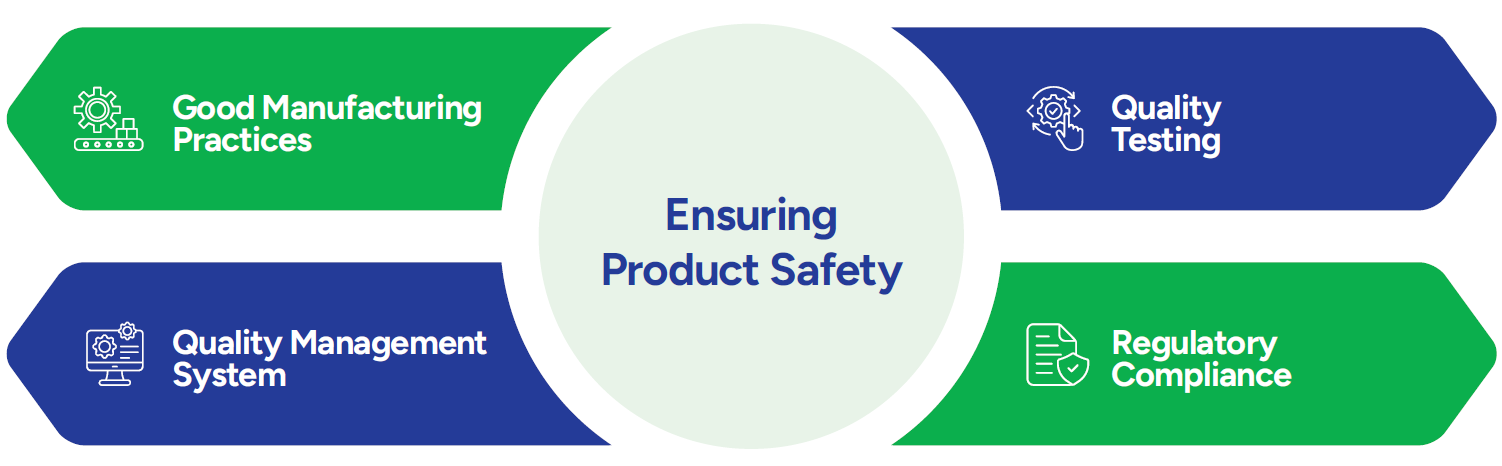
Quality is central to our purpose, and delivering safe, high-quality medicines across global markets is integral to our operations. Quality is deeply embedded across the organization, forming the basis of trust with patients, regulators, and other stakeholders.
Our Global Quality Management System integrates best-in-class practices across worldwide operations, creating a unified and robust quality ecosystem supported by more than 2,500 quality professionals.
Quality First – A Leadership-Led Culture of Excellence
Quality at Lupin extends beyond systems and inspections; it is a leadership-led, organization-wide commitment anchored in patient trust. We have embedded a culture of excellence in Quality through a deliberate, leadership-driven transformation that prioritizes patient outcomes and long-term institution building over short-term trade-offs.
This approach has improved governance as well as organizational capability and delivered sustained improvements in execution reliability and service performance.
Key Actions and Outcomes
- Quality governance and digital oversight were sharpened by deploying Digital Process Capability Index (Cpk) Governance and Quality Pulse, which enabled real-time performance visibility, trend monitoring, and early risk detection across operations.
- Focused product robustness programs delivered a year‑on‑year reduction of 27% in Out‑of‑Specification (OOS) occurrences (FY26 vs FY25), driving improved process reliability and consistency across manufacturing operations.
- Through the World Class Lab (WCL) initiative, laboratory robustness, analytical discipline, and sigma performance were elevated across quality control laboratories.
- Under the OPEX framework, the EPIC initiative yielded 35% reduction in invalid OOS driven by checklist simplification, targeted capacity building, harmonized instrument handling, and laboratory practices.
- Lean Six Sigma capability was expanded across the organization by developing certified Green Belts and Black Belts, refining problem-solving maturity, and reinforcing data-driven decision-making at scale.
- At the Tarapur site, the Lean Six Sigma–led initiative delivered tangible outcomes, including –
- Yield improvements in the range of ~1-5% across key product classes, contributing to meaningful cost benefits and better performance
- Improvements in conversion efficiency and right-first- time execution decreased material losses and increased operational discipline across manufacturing operations
- World-class manufacturing and 5S initiatives elevated audit readiness, equipment reliability, workplace organization, and overall utility efficiency across operations.
- Through process improvement, yield enhancement, and capacity expansion for anti-depressant products, cost savings of approximately INR 40 million were delivered alongside reduced water consumption of nearly 70%, thus supporting sustainability goals.
- Enterprise-wide manufacturing governance was upgraded by implementing the Quality Management System across multiple facilities, fortifying standardized quality processes, digital traceability, and consistent execution.
Quality is not a function at Lupin – it is the thread that weaves everything we do. Every decision, every process and every product reflects our commitment to earning the trust of patients, healthcare professionals and regulators around the world.
Dr. Ranjana Pathak,
Chief Quality Officer

Integrated Quality Governance and Oversight
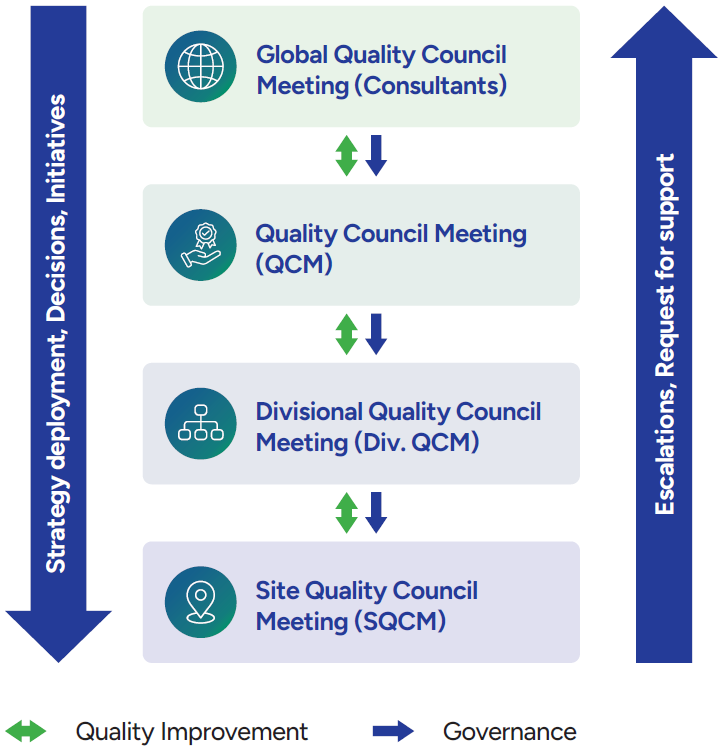
Quality governance is anchored in an integrated, tiered framework designed to enable disciplined escalation and robust two-way communication across the organization. Matters relating to quality and compliance are addressed at the site level through Site Quality Council Meetings (SQCMs) and escalated, as appropriate, through the Divisional Quality Council Meetings (DQCMs) to the Corporate Quality Council Meeting (QCM) for enterprise-wide governance.
Enterprise quality leadership is driven by the Chief Quality Officer (CQO) and Chief Technical Operations Officer (CTOO), with the CQO accountable for the effectiveness of the Quality Management System and the integrity of quality governance.
Outcomes and directives from Corporate Quality Council Meetings are systematically cascaded through divisional forums to site-level teams, ensuring alignment, clear ownership, and disciplined execution, while enabling proactive management of quality risks across all levels.
Corporate Quality Audits
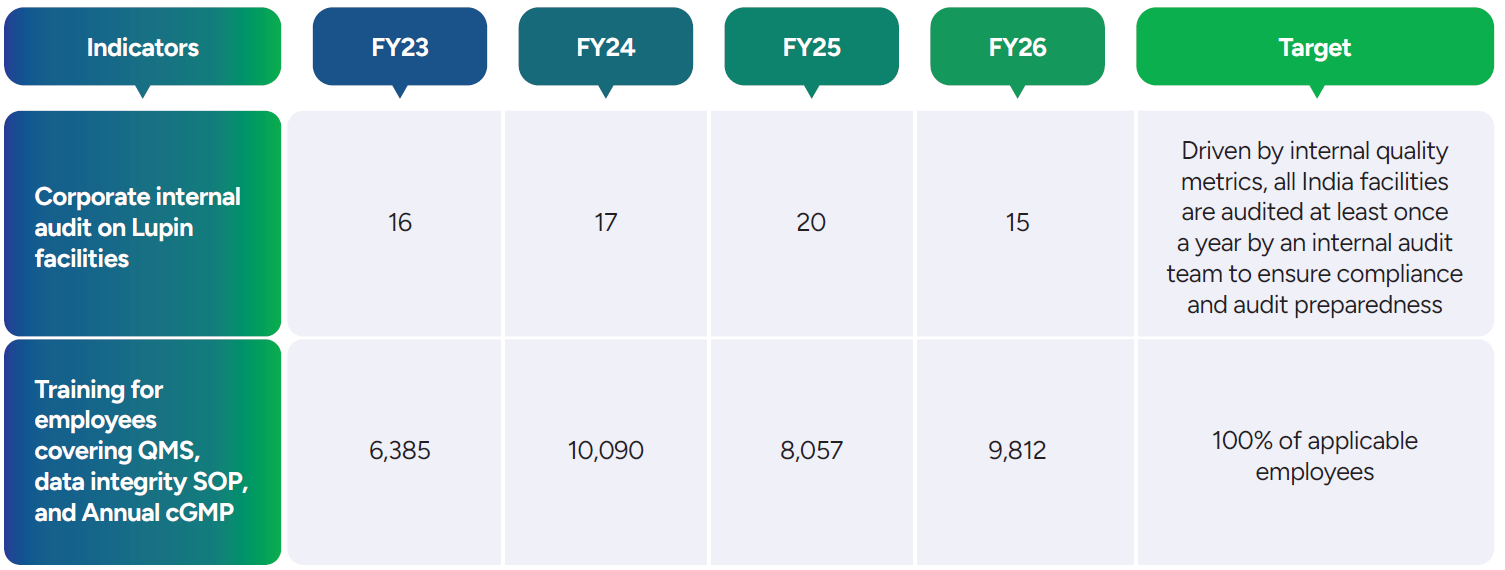
In FY26, we maintained strong regulatory readiness through a structured, risk-based audit program across manufacturing facilities and suppliers. Internal audits covered all India manufacturing locations, while supplier quality assurance across India and the U.S. was aligned to qualification standards and risk prioritization.
Extensive employee training on QMS, data integrity, SOPs, and cGMP bolstered consistent quality practices, underscoring our continued focus on compliance, supplier assurance, and a culture of quality excellence.
Case Study
Virtual Reality (VR)-Based Training
Why it matters
To reduce human error and ensure safe, compliant execution, it is essential to build operator capability before exposure to critical manufacturing environments. VR-based training helps teams understand procedures, anticipate operational risks, and develop confidence before performing critical process steps on the shop floor.
What we did
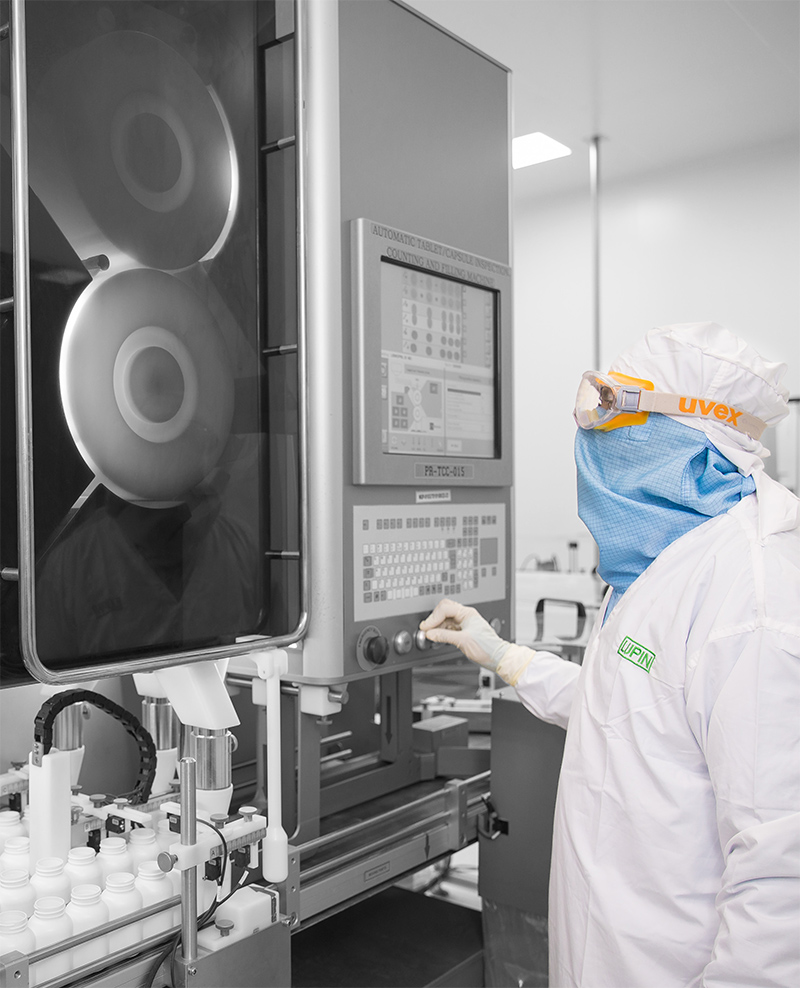
VR-based training was provided for selected critical operational processes. These immersive, simulation-based modules enable operators to practice key process steps in a controlled, risk-free environment, improving procedural understanding and situational awareness.
The VR platform complements the ERR framework by sharpening human performance through innovative learning methods.
Impact
This initiative expanded operator preparedness, procedural adherence, and execution confidence, contributing to safer operations, improved compliance, and reduced risk of human error across manufacturing processes.
Permanent Inspection Readiness
Regulatory compliance is a continuous commitment that reinforces patients’ confidence in our medicines and the systems that support them. In FY26, we sharpened our focus on Permanent Inspection Readiness (PIR) and corrective and preventive actions to maintain a state of continuous audit assurance.
Compliance was further embedded as an everyday responsibility rather than a reactive response to inspections. Corporate audit processes were refined and supported by targeted mock inspections, where appropriate. Increased emphasis on independent verification of Investigations and Corrective and Preventive Actions (CAPA) effectiveness ensured that actions taken are meaningful, sustainable, and aligned with patient safety.
Ongoing tracking of evolving regulatory requirements, guidance documents, and industry expectations improved risk identification and enabled timely, systemic responses. These efforts improved confidence in how teams operate across regulated environments.
Investigations and Corrective and Preventive Actions
Every quality event is treated as an opportunity to learn, improve, and broaden patient protection. We conduct investigations in line with the Pharmaceutical Quality System principles, using structured, science- and risk-based root cause analysis supported by clear ownership and management oversight.
Investigation outcomes are systematically integrated into quality risk management and Corrective and Preventive Actions (CAPA) processes to prevent recurrence, drive continuous improvement, and protect product quality, patient safety, and regulatory compliance. This disciplined approach enables teams to move beyond issue resolution toward sustained, system-level improvement, reiterating quality as the foundation of patient trust.
Our Process Development and R&D teams play a pivotal role in upholding manufacturing integrity. From careful management of input material attributes to the definition of product specifications and rigorous end-product testing, each stage reflects a disciplined approach to quality. Centered on critical quality attributes and process consistency, this approach helps prevent deviations and maintain sigma levels above 4.0, ensuring that products reach patients with uncompromised quality and safety.
Error Risk Reduction
Human performance plays a critical role in manufacturing quality. To address risks arising from human error, we have implemented an Error Risk Reduction (ERR) framework across all facilities, enabling more consistent and high-quality investigations. Through this framework, we identify key Risk Influencing Factors (RIFs) and analyze investigation trends to understand the underlying causes of errors. Insights are regularly reviewed by the training council, ensuring that learnings are translated into targeted training and practical improvements on the shop floor. This structured approach helps reduce recurring errors, build workforce capability, and ensure safer, more reliable ways of working, while supporting continuous improvement across operations.
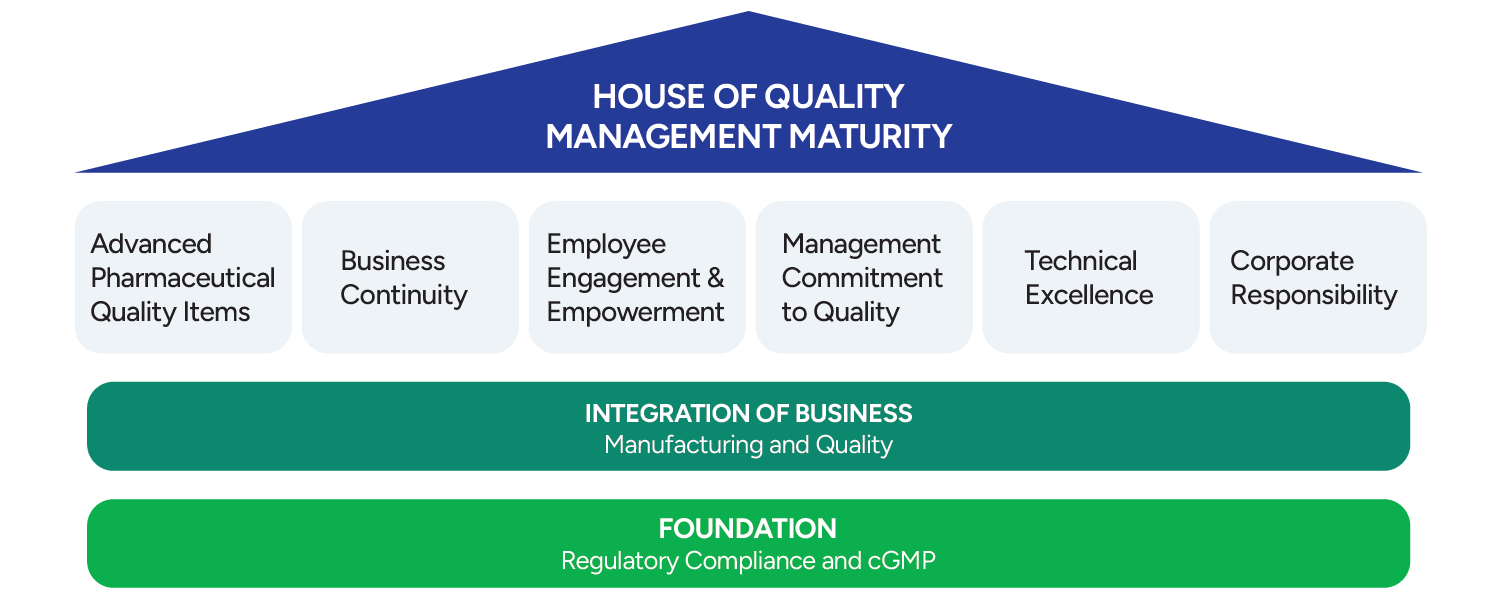
Quality Management Maturity
During the year, we furthered our Quality Management Maturity (QMM) journey, reinforcing our commitment to responsible manufacturing and sustainable operations.
Facility-level maturity assessments, with ratings largely between Level 3 (Defined) and Level 4 (Quantitatively Managed), demonstrate how quality principles are being embedded into everyday decision making, supported by robust corporate responsibility practices, leadership accountability, and employee empowerment.
Continued focus on augmenting business continuity and technical excellence supports reliable access to medicines and helps mitigate operational risk. Data-driven assessments and external benchmarking remain central to our approach, enabling continuous improvement while reinforcing ethical conduct, product integrity, and long-term societal value.
Supplier Quality Audit and Assessment
A medicine is only as reliable as the value chain behind it. At Lupin, a resilient and responsible supply chain is integral to delivering safe, high-quality medicines to patients. Our Supplier Quality Audit and Assessment framework helps uphold quality, regulatory, and sustainability expectations while fostering long-term partnerships grounded in trust, transparency, and continuous improvement.
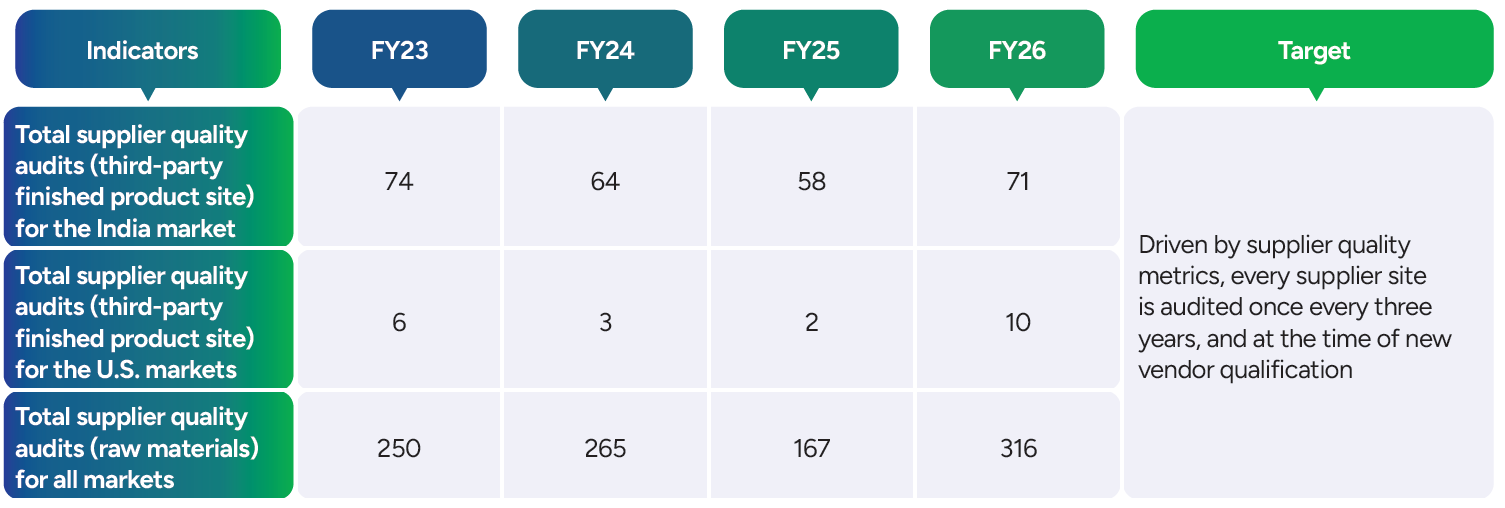
Suppliers of APIs, key starting materials, intermediates, excipients, gases, and primary and secondary packaging materials are governed by a structured, risk-aligned audit framework. Each supplier is assessed at least once within a three-year cycle,
with oversight based on criticality, risk profile, category-specific requirements, and defined review intervals.
In FY26, around 316 suppliers were covered under this program. Suppliers of materials critical to product performance, patient safety, and regulatory compliance are subject to focused audits, while suppliers of chemicals and solvents are evaluated through structured questionnaire-based assessments to ensure due diligence and efficient use of audit resources.
Through this multi-tiered framework, we audited 626 suppliers in the last two financial years, bolstering our supply chain integrity, improving risk oversight, and reinforcing consistent quality standards across the value chain.
Emerging Technologies for Quality Excellence
Technology enhances quality by enabling better decisions, earlier risk detection, and consistent execution across manufacturing operations. In FY26, we accelerated the adoption of digital and automation-led solutions across the product lifecycle, from development and commercial manufacturing to post market surveillance.
Key Initiatives
- Advancing cleaning validation through the CLEEN application, improving efficiency, data integrity, and compliance
- Progressing AI-based DocuMind to elevate SOP management, with planned expansion into risk assessments and regulatory vulnerability analysis
- Driving the Veeva–NorthStar program toward a unified Document Management System (DMS), QMS, and Learning Management System (LMS) platform, aiding in more integrated and standardized quality management
- Expanding smart lab integrations across LIMS, SAP, Chromeleon, and analytical instruments to improve end-to-end digital traceability and laboratory data flow
- Initiating review-by-exception automation to support risk-based oversight, focused review, and exception handling
These initiatives are helping to build a more connected, transparent, and responsive quality ecosystem. They are also bolstering process robustness, reinforcing compliance, and supporting more dependable patient outcomes.
Case Study
Project NorthStar

Why it matters
A unified quality, document, and learning platform is essential for consistent governance across global operations. It helps standardize processes, improve visibility, support compliance, and facilitate teams across regions to work with greater alignment.
What we did
Project NorthStar was progressed as a strategic digital transformation initiative to implement the Quality Management System, Document Management System, and Learning Management System across operations in India, the U.S., and Europe.
The program spans across than 25 facilities, 17,000 employees, and over 20 quality processes and lifecycles. It is being executed in phases, with rollout underway in India, which will be followed by implementation at Somerset, Coral Springs, and Nanomi in August 2026.
Impact
Project NorthStar is helping create a more connected and standardized quality ecosystem. It supports streamlined compliance processes, improved cross-regional collaboration, faster onboarding, and scalable capabilities for future growth.
By integrating quality, documentation, and learning workflows on a common platform, the initiative increases regulatory confidence, improves process consistency, and supports patient safety.
Case Study
Quality Prism
Why it matters
Quality control operations depend on data integrity, traceability, audit preparedness, and timely testing decisions. A digitally enabled QC ecosystem helps boost reliability, reduce manual effort, and drive more consistent quality outcomes.
What we did
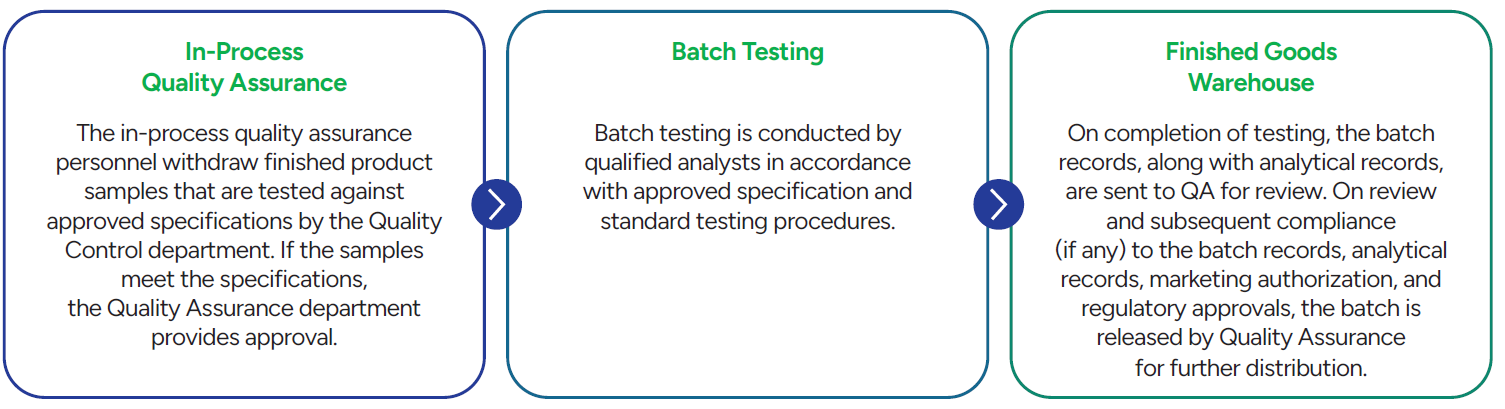
Quality Prism was driven forward as a QC digital and automation initiative to develop a leaner, more efficient, and future-ready quality control operating model. Through Quality Prism, we were able to automate workflows across the testing lifecycle, from specification selection to Certificate of Analysis. It also introduced smart machines, IoT-enabled connectivity, and barcode-based testing to increase control, reduce manual intervention, and shorten turnaround times.
Impact
The QC function achieved approximately 85% digital maturity, supporting consistent compliance and more reliable decision-making. Following a successful pilot, the initiative will be scaled across the QC network in phases during FY27. Quality Prism has delivered a scalable and standardized QC operating model, elevated audit preparedness, and accelerated Lupin’s journey toward smart manufacturing and sustainable quality excellence. For patients, this means greater confidence in the systems behind every quality decision.
Leveraging AI, IoT, and Advanced Analytics to Bolster Quality Excellence
Modernized technologies are changing how quality is monitored, understood, and managed across manufacturing operations. By combining AI, IoT, and advanced analytics, we are improving process predictability, enabling earlier risk identification, and supporting timely interventions before quality is impacted. These capabilities help to sharpen process predictability, elevate batch consistency, and reinforce patient protection.
Predictive Quality Using AI and ML
A key milestone in this journey is the development of an AI/ML-based predictive analytics model built on Critical Process Parameters and Critical Material Attributes. The model facilitates real-time identification of potential quality risks and provides early alerts for proactive corrective action before batch failure.
Value Delivered
- Reduced risk of batch rejection through early risk identification
- Improved process predictability and reliability
- Better ability to anticipate process risks and safeguard quality
The model is currently in proof-of-concept for a single product, with plans to scale across formulations and APIs.
Enterprise-Wide Analytics – Quality Pulse
Quality Pulse is an enterprise analytics platform that makes it possible to continuously monitor Critical Quality Attributes through Statistical Process Control. It provides greater visibility, consistency, and accountability to quality performance across operations.
Key Capabilities
- Real-time monitoring of Process Capability Index (Cpk)
- Early detection of trends and drifts
- Timely cross-functional intervention to prevent quality failures
By allowing teams to identify early signals, respond quickly, and sustain process capability, Quality Pulse is fostering a more proactive and disciplined quality culture across the company.
Advanced Analytics for New Product Stabilization
At the Nagpur site, advanced analytics supported the early-stage stabilization of new products by bringing together IoT-enabled process data, quality outcomes, and enterprise data lakes.
This Approach Enables Teams to:
- Identify the key drivers of variability
- Define optimal operating ranges with greater precision
- Stabilize new products more rapidly during early- stage rollout
- Reduce off-specification batches and improve ramp- up efficiency
We have plans for an enterprise-wide rollout of this advanced analytics approach to support smoother product scale-up, stronger process understanding, and improved right-first-time outcomes. This approach propels our journey towards a more predictive and resilient manufacturing ecosystem, grounded in quality, reliability, and patient trust.
Pharmacovigilance and Product Safety
We believe that patient safety extends beyond manufacturing and continues across the entire lifecycle of every product. At Lupin, this responsibility is supported by a robust pharmacovigilance system aligned with global regulatory standards and Good Pharmacovigilance Practices (GVP).
Our Drug Safety and Risk Management (DSRM) function provides lifecycle-wide safety oversight across markets. It supports adverse event reporting, proactive signal detection, product quality coordination, and timely regulatory submissions, ensuring that safety information is captured, assessed, and acted upon with rigor.
To make reporting accessible, dedicated channels have been established for patients and healthcare professionals to contact Lupin for product inquiries or to report safety concerns, quality issues, or defects. These include a call center and e-mail facility, with contact information displayed on product packaging and the company’s official website.
All reported product quality complaints are routed to manufacturing teams for evaluation and investigation. Adverse events are reviewed by the DSRM team, processed within a validated safety database, and submitted to relevant health authorities where reporting criteria are met.
Beyond reporting and response, the DSRM team adopts a proactive approach to safety monitoring through global literature surveillance, periodic risk-benefit assessments, and structured signal detection activities. Emerging safety signals are identified, evaluated, and acted upon in a timely and responsible manner.
Working closely with teams across research and development, clinical, manufacturing, supply chain, and global medical affairs, DSRM ensures integrated safety oversight across the product lifecycle. Pharmacovigilance performance is monitored using defined Key Performance Indicators (KPIs), including adherence to regulatory submission timelines for expedited and periodic safety reports to authorities such as the U.S. FDA, TGA Australia, Health Canada, DCGI India, and the U.K. MHRA. These KPIs are reviewed on a monthly basis and presented during Global Quality Council Steering Committee meetings.
Building a culture of vigilance is equally critical. All employees undergo mandatory annual training and are empowered to promptly report adverse events. Employees directly involved in pharmacovigilance activities receive structured onboarding and refresher training, aligned with internal standards and global best practices.
This disciplined approach ensures that safety signals are addressed with rigor, regulatory obligations are met with integrity, and patients are supported by systems designed to protect their well-being.
Key Highlights
- Achieved 100% employee coverage through structured pharmacovigilance training programs, reinforcing shared accountability for patient safety covering U.S., Canada, Australia, and Europe
- Maintained inspection readiness through regular internal audits conducted by the Pharmacovigilance Quality Assurance (PVQA) team, covering systems, processes, and regulatory compliance requirements
- Conducted six internal PVQA audits during FY26, supporting compliance oversight, system robustness, and process effectiveness
- Continued engagement with industry associations such as PIPA, Pharma Deutschland, E.V., and AIPM, supporting alignment with global best practices and evolving regulatory expectations
Case Study
Combating Counterfeit Medicines
Why it matters
Counterfeit medicines pose serious risks to patient safety and public trust. Safeguarding product authenticity is fundamental to Lupin’s commitment to responsible healthcare delivery.
What we did
Lupin has established a multi-layered anti-counterfeiting framework spanning packaging, traceability, and logistics. These measures are designed to prevent tampering, provide better visibility across the value chain, and support product authentication at every point of access.
Key interventions
- Deploying QR codes across key brands in the India market, enabling patients and stakeholders to verify product authenticity
- Introducing tamper-evident, glue-sealed packaging for EU markets to prevent unauthorized access and ensure product integrity
- Applying robust security features, including UV-coated and holographic foils, to top-selling brands to deter counterfeiting
- Implementing multi-color security printing on selected high-value and high-volume products to support authentication
- Supporting end-to-end shipment tracking through secure chain-of-custody documentation to elevate traceability across the distribution network
Impact
These measures help prevent counterfeiting, improve traceability, and protect patient safety from manufacturing facilities to final delivery. They also reiterate Lupin’s commitment to regulatory compliance, responsible distribution, and trust in the medicines patients receive.
Regulatory Compliance and Recalls
At Lupin, we view regulatory compliance as foundational to responsible manufacturing and a key enabler of patient trust. Accordingly, adherence to global regulatory standards is integral to our approach to quality, accountability, and continuous improvement.
Across all operating geographies, Lupin maintains a disciplined focus on compliance, with regulatory outcomes serving as important indicators to strengthen governance, deepen learning, and drive sustained performance excellence.
In FY26, this commitment was demonstrated in a strong regulatory track record, with zero Warning Letters and one Official Action Indicated (OAI) outcome at Pithampur Unit-II. During the year, the U.S. FDA conducted nine inspections across Lupin’s manufacturing facilities, resulting in eight Form 483 observations with 29 total observations, which are being systematically addressed.
| FDA Inspections | FY23 | FY24 | FY25 | FY26 |
|---|---|---|---|---|
| U.S. FDA Inspection (Manufacturing Facilities) | 9 | 3 | 6 | 9 |
| No. of Form 483 | 7 | 2 | 3 | 8 |
| No. of Total Observations | 55 | 3 | 17 | 29 |
| U.S. FDA Inspection (Manufacturing Facilities) Warning Letters | 1 | 1 | 0 | 0 |
| Recall Type | FY23 | FY24 | FY25 | FY26 |
|---|---|---|---|---|
| Class 1 Recalls | 0 | 1 | 0 | 0 |
| Class 2 Recalls | 7 | 6 | 9 | 9 |
| Class 3 Recalls | 0 | 1 | 3 | 0 |
All quality incidents are addressed through a robust quality governance system, which captures the nature of the issue, affected products or batches, and the underlying technical root causes. Further, each recall is mapped to its originating trigger, such as market complaints, adverse drug events, or stability failures.
The response to each recall is guided by a structured CAPA framework. Every event initiates a cross-functional investigation to diagnose root causes and implement targeted interventions, including process adjustments, enhanced controls, supplier actions, or equipment improvements. The effectiveness of these measures is monitored to prevent recurrence, and the financial and operational impact of each recall is evaluated to support transparent reporting.
External Recognitions for Manufacturing Excellence
Awards and recognitions reflect the commitment of teams across facilities to safety, quality, sustainability, inclusion, and operational discipline. In FY26, our manufacturing facilities were recognized across these dimensions, showcasing the strength of our culture and the progress of our manufacturing excellence journey.
| Tarapur site has been recognized for leadership in sustainability and inclusion, earning the ‘Competitors’ Award at GMEA 2025 for Green Manufacturing Excellence and being named a “Diversity Trailblazer” at the Diversity Champions Awards 2024–25. | Pithampur site has earned multiple recognitions for safety, quality, and manufacturing excellence, winning the Quarterly Safety Performance Rolling Trophy, the top two positions at the All India ESLS Contest 2025, and the WCM Winner of the Month (April 2025). | Mandideep site has received multiple national recognitions for sustainability, safety, and governance, securing IGMC Gold (IRIM), Gold Medal and Safety-First Factory Award, the Golden Peacock Environment Management Award, the National Safety Council Award, and a 4-Star Platinum rating under BEC 1500:2024 for strong sustainability and human rights governance. |
| Grin Lab, Mexico (Laboratorios Grin) earned the “Most Ethical Companies (E+E)” certification from AMITAI (September 2025), recognizing its strong ethical practices and governance standards. | Goa site earned Platinum recognition at the CII competition for SMED (Quick Changeover), demonstrating excellence in operational efficiency and changeover reduction. | Pithampur site received the Gold Award for Environment at the 10th Annual HSE and ESG Excellence Global Awards 2025, recognizing its strong environmental performance and governance. |
| Nagpur site has been recognized with the Pharmaceutical Category Award and Change Maker Award at the Global Nagpur Awards 2025 for the Lupin Human Welfare and Research Foundation (LHWRF) Nagpur initiative, acknowledging its healthcare impact and community leadership. The site also received the Exide Award 2025. | Tarapur and Jammu sites were recognized as Gold Medal winners at IRIM NAMC FY26 for excellence in lean manufacturing | Ankleshwar site won the Green Manufacturing Excellence Award (GMEA) for FY26 under the Sustainable Front Runners (Leaders) category |
| Sikkim has been recognized with the Quality Excellence Award for Customer Satisfaction and Operational Excellence, and the Global IT Performance Award. | Vizag has been recognized with the Champion (Outstanding) Award at the 19th Exceed Environment Awards 2025 in the Water Management category in the Pharmaceutical Sector. The site also won the Platinum Award at the 16th Apex India Occupational Health and Safety Awards, in recognition of its best safety practices. | |
Way Forward
As we look ahead, manufacturing excellence will remain central to how Lupin serves patients and creates long-term value. We will continue to build our manufacturing platform through disciplined execution, selective capacity expansion, operational efficiency, quality leadership, and digital enablement across the network. We are focused on creating a more agile, reliable, and cost-competitive ecosystem that can respond to growing global demand with consistency and confidence.
Our quality and compliance priorities remain clear – zero product recalls, sustained inspection readiness, and continuing the record of zero U.S. FDA warning letters across all facilities. These goals reflect our commitment to trust, reliability, and patient safety. We will continue to further Quality Management Maturity, proactive risk management, CAPA effectiveness, and inspection-readiness systems, while sharpening our focus on impurity control, nitrosamine risk mitigation, and predictive quality oversight. This will help us refine our quality system, making it more preventive, resilient, and globally trusted.
At the same time, we are accelerating the adoption of automation, digital, and AI-enabled technologies to improve precision, reduce manual risk, and enable faster, more informed decision-making. The continued expansion of MES, LIMS, real-time monitoring, analytics, and digital quality platforms will improve data integrity, traceability, and process visibility across manufacturing and quality operations.
People capability will remain a core enabler of this journey. We will continue investing in technical depth, frontline capability, leadership development, and future-ready skills so that our teams can operate confidently in an increasingly digital, complex, and regulated environment. Disciplined execution, visible leadership, and continuous learning will guide how we build capability while delivering performance.
With these as our priorities, Lupin will continue to build a manufacturing ecosystem that is resilient, efficient, compliant, and patient-focused. Ultimately, excellence in manufacturing is not an end in itself; it is the foundation through which we fulfill our purpose – we catalyze treatments that transform hope into healing. Every process we improve, every system we strengthen, and every decision we make is guided by this commitment – driven by care, enabled by innovation, and sustained with conviction.
 Assurance Statement