
Social and Relationship
Capital
Extending the reach of healing to communities and patients
At Lupin, creating value is defined as much by the relationships we build with patients, healthcare professionals, communities, and value chain partners as by our commitment to the highest standards of quality. As a global healthcare company, we focus on broadening access to affordable healthcare while also contributing to building more resilient and inclusive communities.
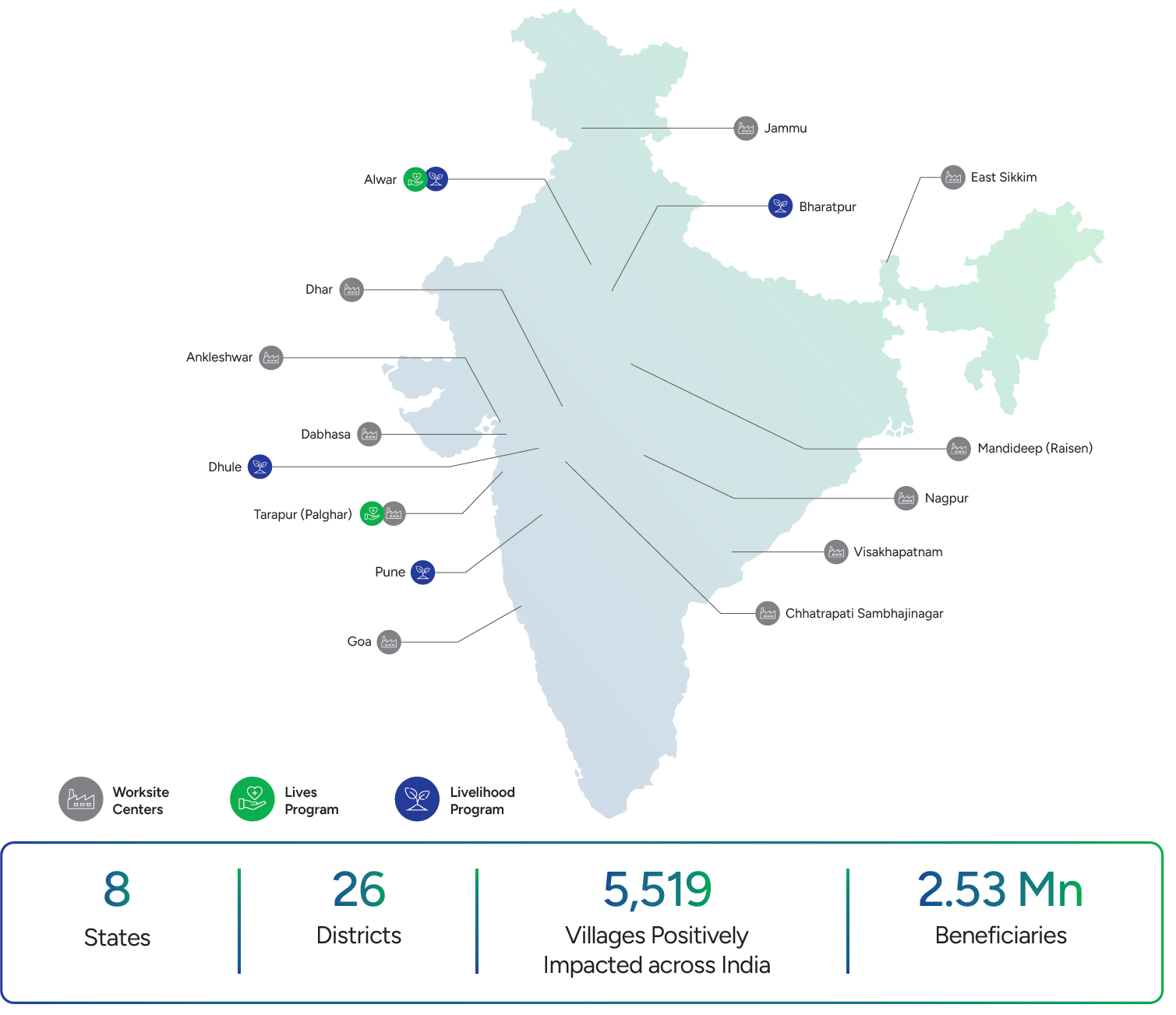
Community engagement and development are central to our ethos and focus on addressing some of the most pressing challenges in underserved populations. During FY26, programs delivered through the Lupin Human Welfare and Research Foundation (LHWRF) positively impacted over 510,805 beneficiaries across 5,519 villages, with interventions spanning healthcare, education, livelihoods, women’s empowerment, and water security.
Our suppliers are integral partners in value creation, contributing to resilience, innovation, and responsible growth across our value chain. We view collaboration as essential to creating long-term value and support our suppliers in aligning their businesses with sustainability principles through ESG assessments, continuous improvement frameworks, and structured trainings. This partnership-led approach enables us to move from traditional transactional relationships to a more integrated ecosystem, where suppliers actively contribute to innovation, risk mitigation, and the advancement of responsible sourcing practices. By emphasizing transparent evaluation processes, targeted capacity building, and shared accountability, we strengthen trust, enhance operational reliability, and promote sustainability in the supply ecosystem.

510,805
Beneficiaries Impacted Through CSR Interventions
2,641,833
People Reached Through Access to Healthcare Programs
400+
Suppliers Engaged on Sustainability
73,500
Healthcare
Professionals
Trained
Material Topics

Access to and Affordability of Medicines

Social Impact Through Community Engagement

Customer Health and Safety
Sustainable Supply Chain and Responsible Procurement

Human Capital Development
Management Approach
Our approach to society is rooted in the belief that meaningful healthcare outcomes are built on strong partnerships. The relationships we forge with patients, healthcare professionals, communities, suppliers, regulators, and partners shape our ability to deliver on our purpose of catalyzing treatments that transform hope into healing. As a healthcare company nurtured in India and trusted across global markets, we are committed to delivering quality medicines responsibly while leveraging patient-centric and digitally enabled solutions to widen access.
Trust is earned through consistent action, meaningful engagement, and a willingness to listen. Accordingly, we have institutionalized structured stakeholder engagement mechanisms to better understand their evolving needs, address concerns, and collaboratively develop solutions that create long-term value. The insights from these interactions inform our strategy, risk management processes, and materiality priorities, while reinforcing our emphasis on ethical business practices, responsible supply chains, and sustainable community development.
Driving Inclusive Community Development
At Lupin, community development is an extension of our purpose.
Guided by our founder, Dr. Desh Bandhu Gupta’s philosophy of
selfless service, LHWRF has been working with communities for
over three decades, driving scalable and impact-led interventions.
Through flagship initiatives such as the Desh Bandhu Jan
Utkarsh Pariyojana (Livelihood Program) and Desh Bandhu Jan
Aarogya Seva (Lives Program), we continue to expand access to
healthcare, strengthen livelihoods, and support environmental
resilience in underserved communities.
Over the years, our integrated interventions have positively impacted over 2.53 million beneficiaries across more than 5,500 villages in eight Indian states, reflecting the scale and depth of our community engagement efforts. By addressing critical social determinants of health through community-led and technologyenabled programs, we are helping to create more resilient, selfreliant, and health-aware communities.
Livelihood Program
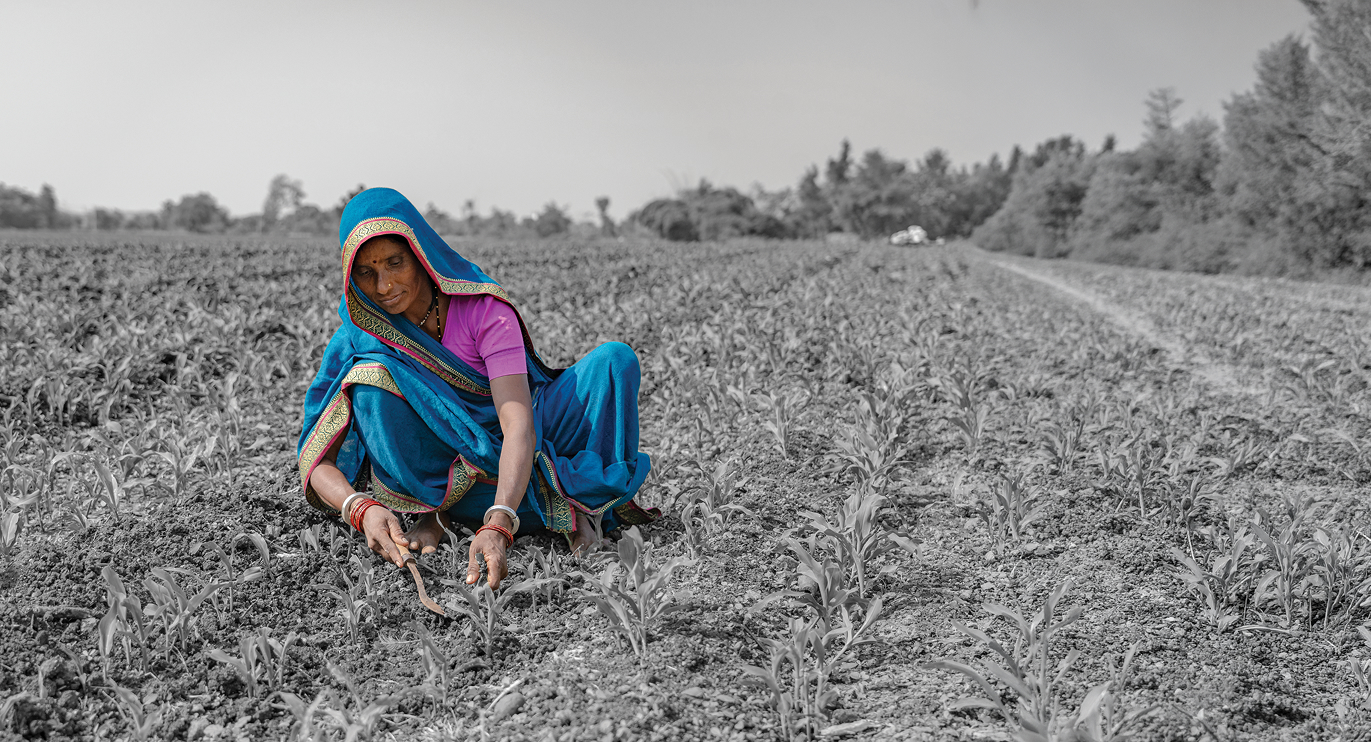
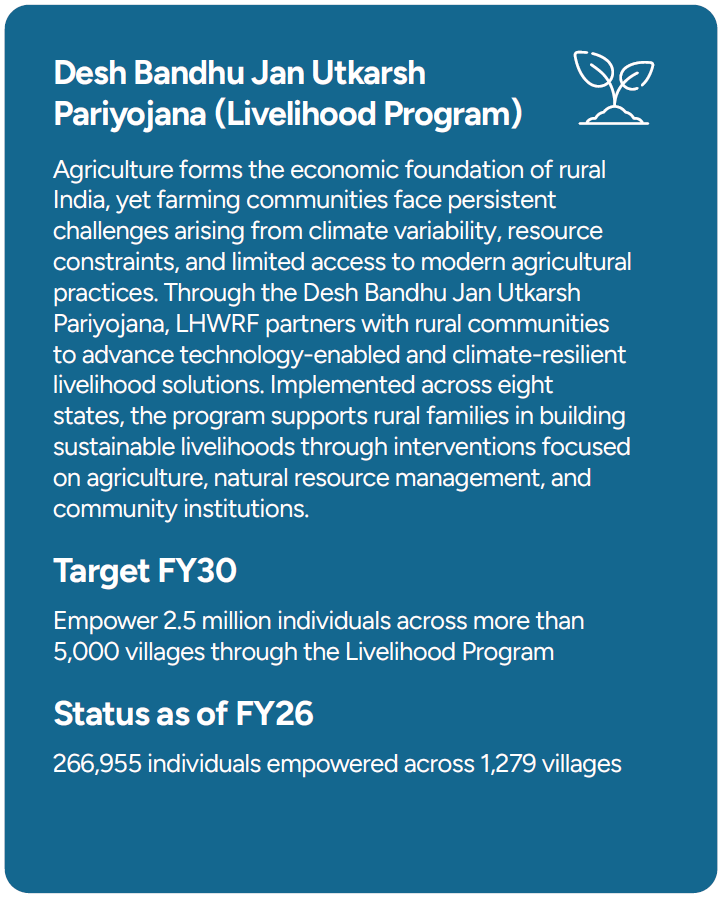
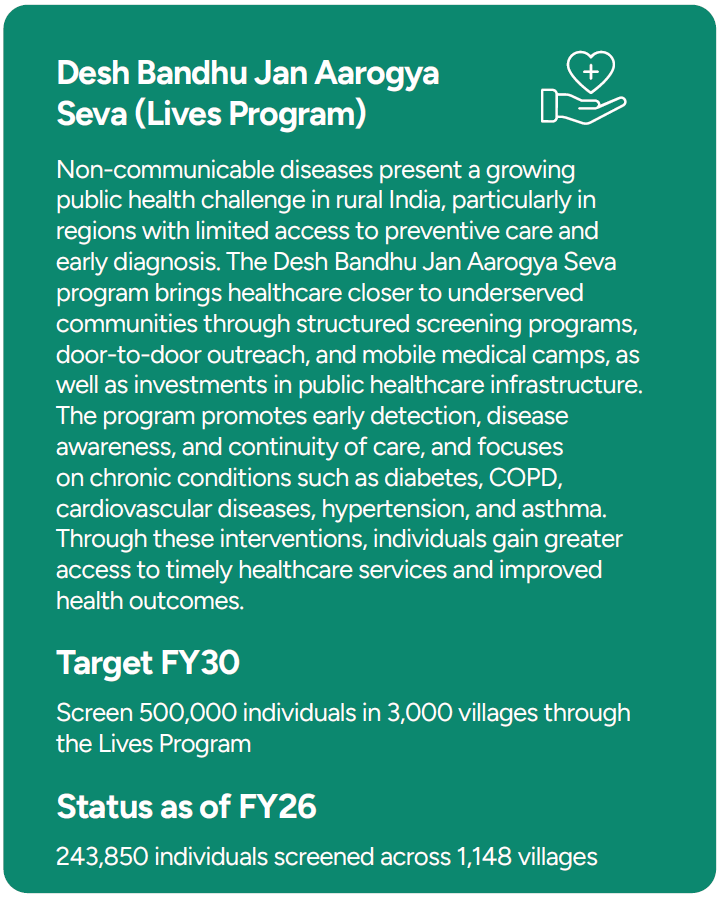
Across India’s rural landscape, where aspirations often clash with structural challenges, our Livelihood Program continues to drive meaningful and lasting change. Anchored in a commitment to deliver measurable community outcomes, the program has evolved into a cohesive, multi-dimensional model that advances both economic resilience and environmental sustainability.
In FY26, our approach transitioned from standalone interventions to a more integrated, systems-led model that brings together agriculture, natural resource management, and community institutions. Under the Desh Bandhu Jan Utkarsh Pariyojana, the Agriculture-Based Livelihood Empowerment (ABLE) program remained central to this effort, supporting marginal farmers across Rajasthan and Maharashtra through structured capacity building initiatives and the Lupin Farmer School model. These interventions have accelerated the adoption of scientific and climate-resilient agricultural practices, contributing to increased productivity, income stability, and long-term farm resilience.
Recognizing the growing impact of climate variability on rural livelihoods, we broadened our focus on watershed development, water security, and clean energy solutions. These targeted interventions are helping communities to improve resource-use efficiency, reduce environmental vulnerability, and build climate resilience.
At the same time, Farmer Producer Organizations (FPOs) have emerged as key enablers of collective progress, strengthening governance, widening market access, and unlocking diversified income opportunities. With continued emphasis on tribal communities and women-led collectives, these institutions are driving more inclusive participation in value chains and supporting diversified, sustainable income generation.
As we move forward, we remain focused on further extending this integrated livelihood model, ensuring that rural communities are not only better equipped to navigate present challenges but also empowered to build sustainable, self-reliant futures.
After a recent harvest of okra, several farmers from nearby villages have been visiting my farm to learn about the organic methods I follow. It feels good to see my journey inspiring others to adopt sustainable farming.
Nanabhau Somji Mali,
Aarni, Naval Nagar, Dhule,
Maharashtra
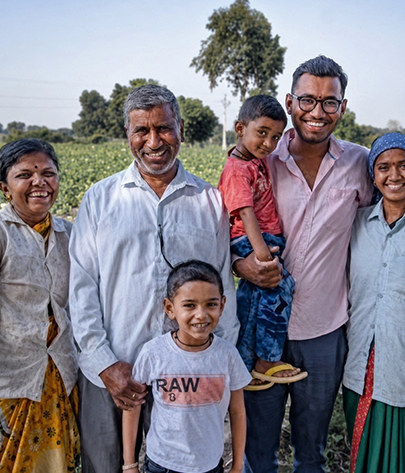
Learning new skills at 67 has been a rewarding experience. From growing azolla and making vermicompost to preparing silage for my animals, I have adopted sustainable farming practices that support higher milk production of 20-30 liters per day.
Chotelal Saini,
Rajgarh, Alwar, Rajasthan
Key Impact in FY26
Water Storage
Capacity of 833,869 Cu. M was created in FY26 through the Livelihoods Program.
Training and Capacity Building
18,701 farmers were trained in efficient, climate-resilient agricultural practices.
Livestock
1,996 artificial inseminations were conducted to increase livestock births; 19,901 animals were supported through animal health camps, providing essential veterinary care and support to livestock owners.
Soil Health
- 1,059 vermicompost units were established, promoting sustainable agricultural practices and enhancing soil fertility.
- 6,790 soil tests were conducted, enabling improved soil health management and informed agricultural practices.
Farmer Producer Organization
10,038 out of 20,000 farmers under the ABLE program are now members of FPO, with a total share capital contribution of INR 6.5 million, with an annual turnover of INR 55 million.
Convergence
INR 95 million was mobilized through convergence with various government schemes, enabling the scale-up of program interventions.
Our Commitment to Water Conservation
This year, our Natural Resource Management initiatives focused on fortifying rural resilience through integrated soil, water, and land conservation measures. Community-led watershed development programs addressed water scarcity and climate variability by reducing soil erosion, improving groundwater recharge, and enhancing water retention across landscapes. These efforts were supported with the building of contour trenches, bunds, check dams, farm ponds, and wells, contributing to the long-term sustainability of local water resources.
These interventions have enabled better year-round access to safe drinking water for communities and livestock, strengthened responsible water stewardship practices among farmers, and encouraged the adoption of clean energy alternatives such as biogas and solar energy.
Our Impact
833,869 Cu. M
Water storage capacity created in FY26
18,701
Farmers were trained in efficient water use practices
66
Water harvesting structures constructed
948
Farmers supported with micro-irrigation systems
42,667
Trees planted
Lives Program
In FY26, we widened our Lives Program to increase access to preventive and primary healthcare services for underserved rural communities facing a growing burden of Non-Communicable Diseases (NCDs). Implemented in partnership with the Departments of Medical, Health and Family Welfare in Rajasthan and Maharashtra, India, we operate the program across the Alwar and Palghar districts through an integrated model focused on awareness, early detection, diagnosis, and continuity of care.
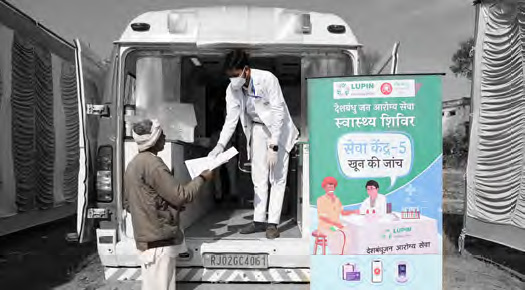
Through structured community-based and door-to-door screenings, we identified 101,036 high-risk individuals, vulnerable to conditions such as diabetes, hypertension, cardiovascular diseases, asthma, and Chronic Obstructive Pulmonary Disease (COPD). We also facilitated timely referrals to mobile medical vans for on-site diagnostics and medical consultations, significantly improving access to early intervention and treatment at the community level.
We conducted over 1,320 health and medical camps, provided free medicines, and enhanced NCD management through dedicated care corners at Primary Health Centers (PHCs) and Community Health Centers (CHCs). Additionally, we promoted preventive healthcare awareness through village campaigns, street plays, wall paintings, and community fitness initiatives such as open gyms, encouraging greater health awareness, early action, and community participation.
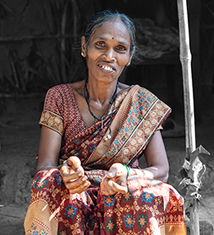
I was battling diabetes, blood pressure, paralysis, and thyroid together. The camp brought medicines, regular follow-ups, and for the first time in years, I felt stable.
Sito Bai,
Mubarikpur, Alwar, Rajasthan
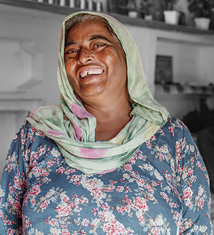
Earlier, I could not manage the household work and had difficulty breathing. Now I can do my work and breathe freely.
Champa,
Dahanu, Palghar, Maharashtra
Key Impact in FY26
Geographic Presence
Across 15 blocks in the Alwar and Palghar districts of Rajasthan and Maharashtra, supported by seven Mobile Medical Vans (MMVs).
Community-Based Screening
243,850 individuals screened through the Lives program for NCDs, enabling early detection, timely intervention, and improved access to preventive healthcare services.
High-Risk Individuals Identified
101,036 individuals were identified as high-risk through the screening process.
Stakeholder Capacity Building
Over 60 training sessions were conducted for more than 700 healthcare workers (ANMs, ASHAs, and medical officers) over the past three years, focusing on NCD risk factors and symptoms, community-based screening, patient education and counseling, NCD management and treatment, and the use of diagnostic tools such as ECG and spirometry.
Infrastructure Support
18 PHCs/CHCs and 121 sub-centers were supported with infrastructure development and essential medical equipment such as glucometers, digital blood pressure monitors, digital weighing machines, stethoscopes, pulse oximeters, and peak flow meters. Community Health Officers (CHOs) were provided electronic tablets for efficient data entry into the NCD portal. Infrastructure support also covered patient examination tables, office furniture such as tables and chairs, and stadiometers to ensure accurate height measurement, thereby enhancing the overall quality of healthcare service delivery.
Social and Behavior Change Communication
676 wall paintings were created across project villages to raise awareness about NCDs.
Case Study
Strengthening Public Health Infrastructure for NCD Care
Context
In rural communities where access to healthcare services is often constrained, limited diagnostic equipment and inadequate infrastructure at primary healthcare facilities can delay the early detection and effective management of NCDs.
Intervention
To address these gaps, LHWRF strengthened public healthcare infrastructure across government healthcare facilities in Rajasthan and Maharashtra. In Alwar, 36 PHCs/CHCs and 161 sub centers were supported, while in Palghar, 27 PHCs/CHCs and 116 sub centers were benefited. Facilities were equipped with essential diagnostic kits, including glucometers, digital blood pressure monitors, weighing machines, stethoscopes, pulse oximeters, and peak flow meters. CHOs were provided with electronic tablets to enable real-time reporting and more efficient integration with the national NCD portal. Infrastructure upgrades further included patient examination tables, seating, and stadiometers.
Impact
These interventions improved diagnostic readiness and infrastructure availability, strengthened frontline healthcare capacity and enabled more consistent screening, monitoring, and management of NCDs at the primary care level.
Case Study
Strengthening the Fight Against Tuberculosis
Context
Timely and accurate diagnosis remains critical to India’s goal of eliminating tuberculosis, particularly in rural and underserved regions where access to advanced diagnostic infrastructure is often limited.
Intervention
In alignment with the National Tuberculosis Elimination Program (NTEP), LHWRF bolstered diagnostic capacity by deploying targeted technology and equipping 16 CHCs with TrueNat molecular diagnostic machines. The machines make it possible to perform rapid, pointof- care testing, in turn improving detection of drugresistant TB cases.
Impact
The initiative enabled testing of 10,821 individuals and resulted in identifying 618 TB patients. All patients were successfully linked to appropriate treatment under the national program, ensuring timely intervention and better continuity of care.
Community Interventions at Manufacturing Locations
In FY26, we adopted a more focused and outcome-driven approach to boost community engagement across 12 manufacturing sites. Our CSR initiatives are now strategically aligned with three core themes: Agro-Horticulture, Health and Nutrition, and Water, Sanitation and Hygiene (WASH). Developed in close collaboration with local stakeholders, these interventions are tailored to community needs and designed to deliver tangible long-term social impact. This approach reinforces LHWRF’s intent to deliver measurable outcomes and improve quality of life through sustainable, community-led development.
Key Highlights
 Agro-Horticulture:
15,800 saplings planted, contributing to greener community landscapes, enhanced biodiversity, and improved environmental resilience.
 Nutrition Support for TB Patients:
1,407 TB patients supported with six months of nutritional supplements under the Nikshay Mitra initiative as part of the Pradhan Mantri TB Mukt Bharat Abhiyaan, enhancing treatment adherence and recovery outcomes.
 WASH Access in Schools:
6,406 students gained access to upgraded sanitation and safe drinking water facilities through targeted WASH infrastructure development across 16 schools, raising hygiene levels and reducing health risks.
Our WASH Program focuses on improved health outcomes, dignity, and equitable access to sanitation in communities with limited access to infrastructure. Implemented across Visakhapatnam, Tarapur, Ankleshwar, Chhatrapati Sambhajinagar, and Mandideep, the program implements targeted interventions addressing local needs across schools and public healthcare facilities.
Improved sanitation and hygiene infrastructure in schools supports higher attendance and retention rates, particularly among girls. In healthcare settings, upgraded sanitation facilities for women across nine government centers in Alwar and Palghar have enhanced safety, comfort, and dignity for patients and frontline healthcare workers. Through these interventions, we aim to reduce barriers to essential services and promote more equitable access to safe sanitation infrastructure.

Impact Assessment – Measuring What Truly Matters
Impact Assessment of LHWRF’s Livelihood and Lives Programs
LHWRF undertook a comprehensive, independent impact assessment of its flagship Livelihood and Lives programs implemented during FY24. The assessment, conducted in FY26 by an independent third-party agency, evaluated program effectiveness, beneficiary outcomes, and the social value created across agriculture, livestock, skill development, non-farm enterprises, and community healthcare.
Livelihood Interventions – Key Outcomes
The assessment covered five livelihood models spanning irrigated farming, livestock and dairy development, skill development, and farm allied enterprises in Maharashtra and Rajasthan. In the first year of intervention, participating households reported meaningful income growth, driven by productivity improvements and cost efficiencies.
The programs also demonstrated strong financial viability, with Social Return on Investment (SROI) analyses highlighting sustained value creation for beneficiaries over both one-year and five-year periods.
Aggregate SROI
2.43:1
Year 1 SROI
8.15:1
5-Year Cumulative
Lives Intervention – Key Outcomes
The impact assessment of the Lives program highlighted improved access to affordable healthcare services. Beneficiaries reported reduced out-of-pocket expenditure on consultations, diagnostics, and treatment, as well as lower wage loss due to shorter service delivery times.
The program also led to higher treatment adherence and follow-up rates compared to non-beneficiaries, demonstrating the effectiveness of communitybased healthcare interventions. Overall, it generated a strong social return, reducing the economic burden on vulnerable populations.
Aggregate SROI
1.77:1
Year 1 SROI
5.31:1
5-Year Cumulative
Process Evaluation Study of the ABLE Program
Impact Assessment of LHWRF’s Livelihood and Lives Programs
LHWRF, in partnership with the independent third-party agency Sattva, conducted an impact assessment of the Agriculture- Based Livelihood Empowerment (ABLE) program across select locations in Maharashtra and Rajasthan to evaluate early outcomes. In the first year, participating farmers reported an average income increase of approximately 19%, demonstrating the program’s ability to deliver early, measurable economic benefits at the household level. This growth was driven by yield improvements resulting from better agronomic practices and optimized input utilization, as well as savings in input costs. The assessment highlighted the program’s ability to generate tangible livelihood gains within a short timeframe while establishing a scalable model for long-term rural resilience and prosperity.
Private and Institutional Partnerships
- Better Cotton
- GIZ (Deutsche Gesellschaft für Internationale Zusammenarbeit)
- Small Farmer Agribusiness Consortium
- Indian Council of Agricultural Research
- National Bank for Agriculture and Rural Development
- Atlas Copco (India) Private Limited
- Whirlpool Corporation
- BAIF Development Research Foundation (formerly registered as the Bharatiya Agro Industries Foundation)
Partnerships with State Governments
- Government of Maharashtra
- Government of Rajasthan
CSR – Industry Collaboration on Talent Development
We are collaborating with leading pharmaceutical industry stakeholders through the PAGE Foundation (Foundation for Pharmaceutical Academy for Global Excellence), a Section 8 company, to strengthen talent development across the pharma sector. The partnership focuses on establishing a world-class skilling institution that equips future talent with capabilities aligned with the industry’s evolving scientific, regulatory and technology requirements. We support the initiative with financial contributions, active leadership participation, and strategic governance inputs, highlighting our long-term commitment to industry-led capability building and strengthening India’s healthcare and pharmaceutical ecosystem.
Empowering Youth and Expanding Access to Education in South Africa
Pharma Dynamics, our South African subsidiary, showcased its focus on youth development and community upliftment in FY26 through investments in employability and education. The company partnered with the Youth Employment Service (YES) Program, offering 76 young participants paid work experience, structured workplace exposure, and skills development opportunities. The initiative strengthened key employability competencies such as teamwork, effective communication, problem-solving, and leadership readiness, supported by YES learning modules and hands-on mentorship.
The initiative also supports Pharma Dynamics’ transformation agenda, contributing to progress toward the organization’s 5% B-BBEE absorption target and creating pathways for sustained workforce participation and inclusion. Through this program, the company is equipping young South Africans with practical skills, workplace experience, and the confidence to pursue sustainable careers and continued education.
Pharma Dynamics also expanded its efforts to promote equitable access to education through its longstanding collaboration with the Tutudesk Campaign, an initiative of the Desmond Tutu Legacy Foundation which focuses on elevating learning environments in under-resourced schools. The company invested an additional ZAR 650,000 during FY26, bringing its total investment since 2020 to over ZAR 8 million. By providing children, particularly in rural areas, with essential learning tools, the Tutudesk partnership supports stronger educational outcomes and contributes to more resilient and inclusive communities across South Africa.
Employee Volunteering – Engaging Employees for Social Impact
We have set a clear goal of contributing 50,000 employee volunteering hours annually by 2030, underscoring our belief that social impact is most meaningful when it is employee-led. We are making steady progress through structured programs delivered in partnership with LHWRF and local NGOs.
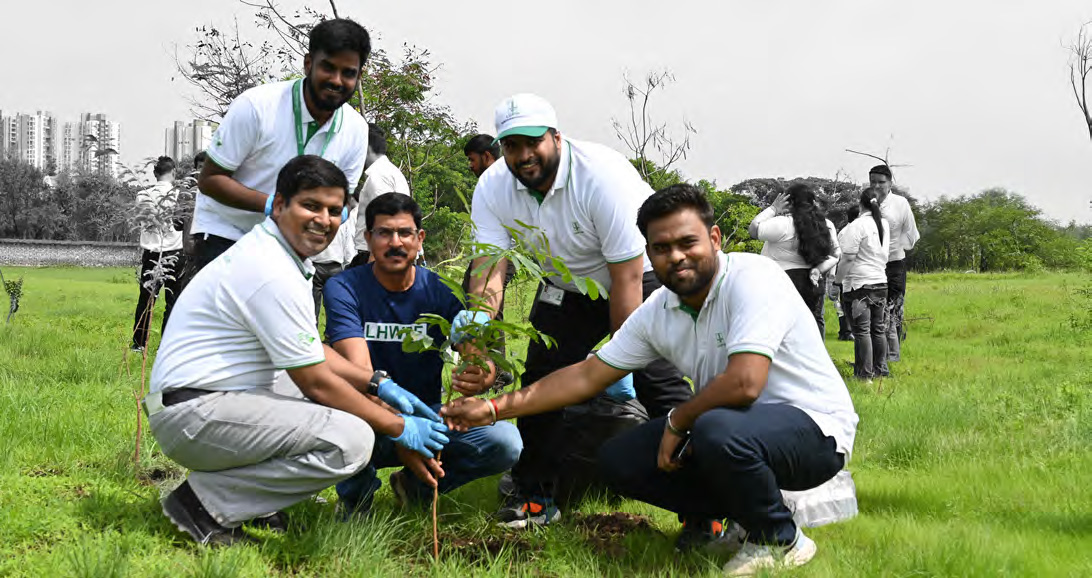
In FY26, 12,264 Lupinytts contributed more than 35,400 volunteering hours, participating in initiatives spanning healthcare, education, environmental stewardship, and community development. This collective effort reflects the values of empathy, care, and service that continue to shape our culture and strengthen our connection with the communities we serve.

Among these initiatives, our tree plantation drives emerged as a key contributor, resulting in the planting of 7,222 saplings and accounting for ~50% of the total volunteering hours achieved during the year.
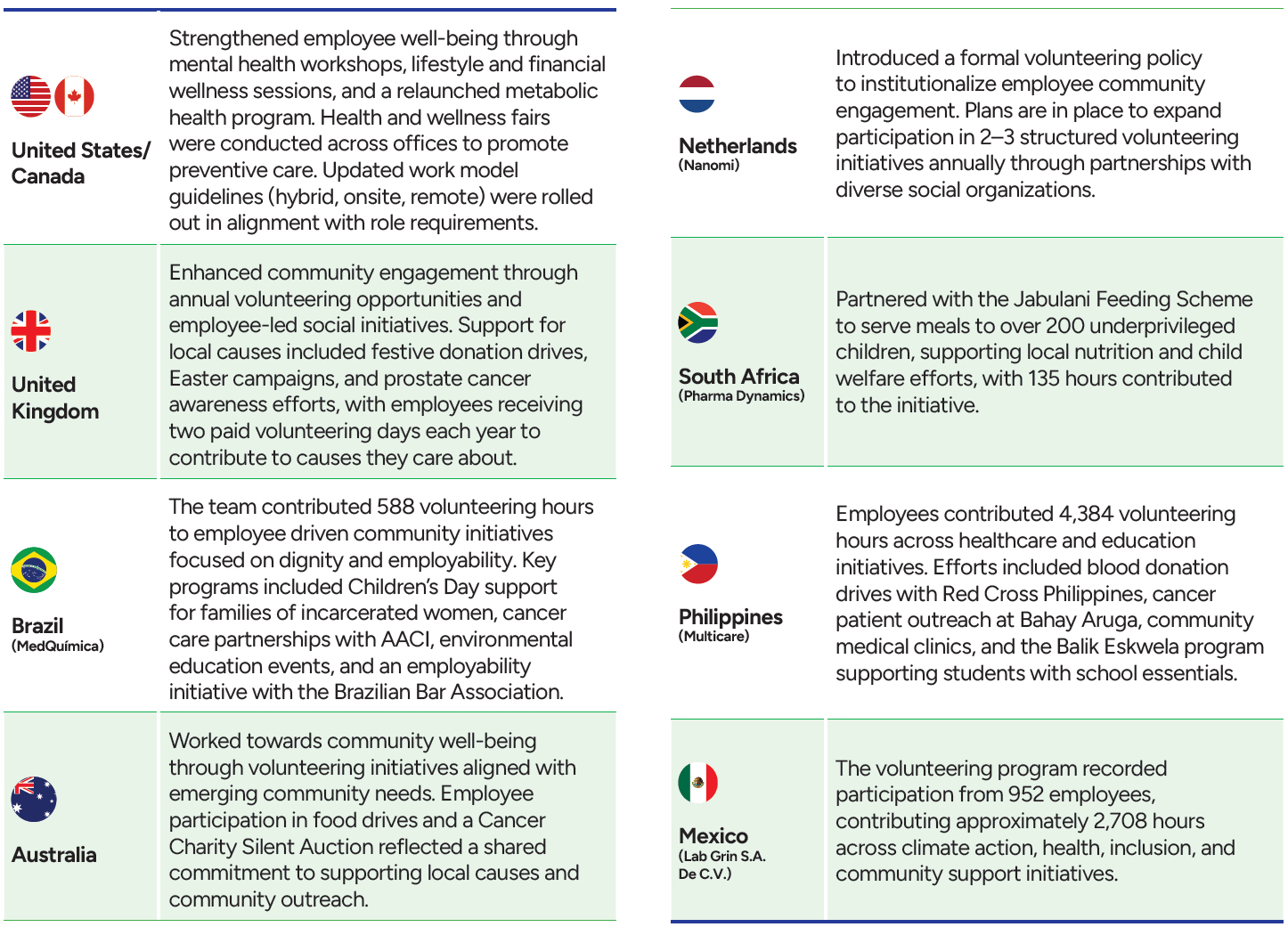
Volunteering Highlights from Our Global Locations
Access to Healthcare Programs – Products, Drugs, and Partnerships
In FY26, we strengthened access to affordable healthcare by expanding the availability of essential medicines and healthcare services for underserved populations, particularly across low- and middle-income countries and emerging markets. Our access strategy is guided by a systems-based approach that integrates global quality manufacturing, research and clinical partnerships, patient and healthcare provider education, innovative financing models, digital health solutions, and community engagement.
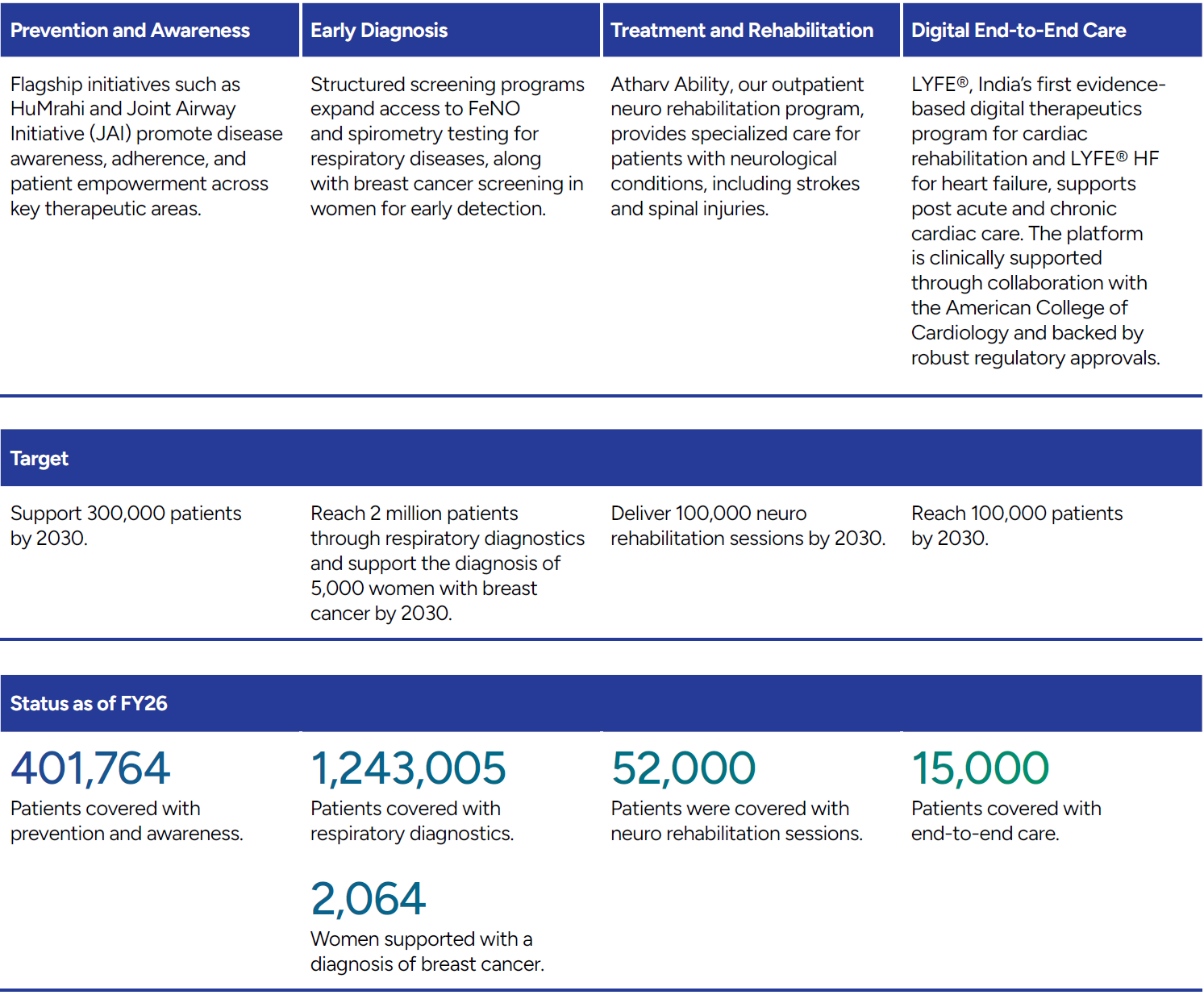
We focus on high-burden disease areas, including tuberculosis, cardiovascular diseases, diabetes, respiratory conditions, and mental health. We have expanded our diagnostics reach, to enable patients to proactively manage their conditions by either visiting a nearby diagnostic lab or availing at-home collection services.
Through patient-centric innovations such as affordable inhalers, fixed-dose combinations, once-daily therapies, complex generics, and biosimilars, we aim to improve accessibility, affordability and treatment adherence. Digital health platforms, including LYFE®, further enable continuous patient engagement and disease management beyond traditional care settings.
Together, these efforts extend the reach of essential medicines and healthcare services to more patients and communities. Our community-led interventions promote health awareness, preventive care, and early intervention, while capacity-building initiatives strengthen healthcare skills, infrastructure, and institutional capabilities across the healthcare ecosystem, enabling more equitable and sustainable access to quality care.
Provider Education – Healthcare Professionals Support Programs
We invest in patient education and capacity building for healthcare professionals to enhance health outcomes and strengthen healthcare systems. Our digital patient support programs have reached over 800,000 patients across therapy areas such as asthma, diabetes, cardiac care, and mental health.
In FY26, our structured education and engagement initiatives reached 73,500 healthcare professionals, including doctors. Partnerships with leading institutions such as the European Society of Cardiology and Joslin Diabetes Center bring global expertise and evidence-based learning to healthcare professionals. All engagements and related disclosures are conducted transparently, in accordance with the Association of the British Pharmaceutical Industry (ABPI) guidelines.
Through these collaborations, we have also expanded access to advanced learning in cardiac care and diabetes management. These programs delivered education aligned with international clinical guidelines and best practices, reaching over 4,000 medical professionals and contributing to higher standards of patient care.
Advancing Access Through Innovation, Affordability, and Scale
Expanding Equitable Access to Life-Saving Therapies
For nearly five decades, we have remained committed to advancing equitable access to life saving therapies, particularly in tuberculosis, while progressively improving health outcomes across other high burden diseases. Building on our leadership in TB, we continued to widen access to care through innovation and affordability. In FY26, we further reduced the global price of Bedaquiline by 30%, building on significant reductions achieved in the previous year. This has enabled healthcare systems and global health partners to expand patient coverage and accelerate the adoption of modern treatment regimens. These sustained price interventions help address persistent treatment gaps, improve continuity of care, and broaden treatment coverage in regions where the burden of disease remains highest.
Innovation for Access
Innovation remains central to our access strategy, enabling differentiated, patient-centric solutions across disease areas. We became the first generic company globally to develop pediatric Bedaquiline 20 mg dispersible tablets, addressing a critical unmet need in child friendly TB treatment. Building on our TB legacy, we extended our access footprint into HIV/AIDS by supplying differentiated antiretroviral therapies, including TAF based fixed-dose combinations tailored for patients with osteoporosis and renal conditions. We also launched pediatric ALD in FY26 to support the transition to WHO-aligned child friendly treatment regimens and developed Darunavir/Ritonavir tablets to improve access to optimized second line HIV treatments.
Complementing these efforts, we partnered with the TB Alliance to advance the clinical development and potential commercialization of Telacebec for tuberculosis, leprosy, and Buruli ulcer, diseases that disproportionately affect underserved populations. This collaboration reinforces our commitment to innovation for neglected diseases, strengthening the availability of effective, affordable therapies while advancing global public health outcomes.
Through Lupin Access Business, we have secured approximately 75 registrations across low- and middle-income countries in Africa and Asia, including 25+ high-burden countries, significantly expanding the geographic reach of essential medicines and supporting global infectious disease control efforts.
Beyond Medicines – Expanding Access Through Preventive Innovation
Beyond product supply, we are expanding the scope of healthcare access through preventive, patient-centric interventions that address the underlying drivers of chronic disease. In South Africa, our subsidiary Pharma Dynamics supports Cooking From The Heart (CFTH), a free, heart-healthy nutrition education initiative developed with the Heart and Stroke Foundation, South Africa, which, since 2012, has helped prevent and manage non- communicable diseases such as hypertension and diabetes through practical dietary guidance and culturally relevant meal plans. This is complemented by the continued expansion of MyDynamics, Pharma Dynamics’ free digital health platform, accessible via QR codes on medicine packs, which provides personalized care journeys, treatment reminders, lifestyle tips, and health education. Together, these initiatives demonstrate how scalable, low-cost interventions can improve treatment adherence, patient empowerment, and continuity of care, contributing to more sustainable and inclusive healthcare systems.Partnership for Access
Co-Pay Savings and Affordability Programs
We continue to expand our partnerships to enhance patient access and affordability across key therapies in the U.S. Through our co-pay savings programs, eligible commercially insured patients receive financial assistance, reducing out-ofpocket costs to as low as USD 0 (subject to program limits). In FY26, these programs supported Doxycycline, Glycerol Phenylbutyrate Oral Liquid, Lapatinib, Risperidone Injection Suspension, Tiotropium Bromide Inhalation Powder, and Tolvaptan, delivering a total patient benefit of approximately USD 8.3 million, with Tolvaptan accounting for the largest share. In addition, we launched a point-of-sale coupon partnership with GoodRx for Tiotropium Bromide to support cash-paying patients, enabling approximately USD 534,550 in direct patient savings in FY26. Together, these initiatives help reduce financial barriers to treatment and enable greater continuity of care for patients who rely on our medicines.

Building on the momentum from the previous year, we further strengthened our commitment to widening access to affordable healthcare in the Philippines by expanding our free in-store medical consultation program. This initiative is delivered through partnerships with primary care physicians and supported by drugstore partners to ensure access to affordable, high-quality medicines at the point of care. In the second half of FY26, the program was extended to additional national and regional pharmacy chains, including South Star Drug, Rose Pharmacy, St. Joseph Drug, and Carlos Super Drug, while maintaining a consistent monthly presence across 200+ Mercury Drug branches. Through collaboration with nearly 170 physicians and valued trade partners, the program enabled us to serve close to 18,000 patients during the year. Each patient served represents an impact on a Filipino household that has been able to access affordable healthcare.
Health Economic Evaluation
While symptom relief is a critical measure of a medicine’s value, its ability to reduce the overall burden on healthcare systems is equally important. We assess the impact of our products through rigorous health economic evaluations, particularly for NaMuscla®, our flagship orphan drug for non-dystrophic myotonic disorders. In FY26, NaMuscla® generated sales of INR 1,589 million, contributing 0.58% of total sales and 100% of innovative product revenues. Health economic evaluations in the U.K., Norway, and other European markets have consistently demonstrated its clinical value and cost-effectiveness, with leading HTA bodies, including NICE (U.K.), IQWiG (Germany), NoMA (Norway), and MSCBC (Spain), supporting national reimbursement and expanded patient access. The NICE price approval process evaluates cost-effectiveness for the NHS using the Incremental Cost-Effectiveness Ratio (ICER), comparing additional costs against additional health benefits. Building on this evidence, we broadened access in key Latin American Access to Medicine Index countries by initiating regulatory pathways in Argentina, Colombia, and Mexico, including dossier submission in Argentina in FY26 and regulatory filing in Mexico in March 2026. Through these evaluations, we demonstrated the clinical and economic value of innovative therapies, supporting improved patient outcomes while contributing to the affordability and sustainability of the healthcare system.
Medical Product Donations and Access to Medicines
We undertake medical product donations in accordance with the World Health Organization (WHO) Guidelines for Drug Donations, ensuring that all donated medicines are appropriate to local needs, of assured quality, safely handled, and fully traceable. All donations are executed through controlled and transparent channels and in compliance with applicable statutory and regulatory requirements, with the objective of addressing urgent healthcare requirements and improving the availability of essential medicines for vulnerable people.
During the reporting year, our global operations supported humanitarian and public health responses across multiple geographies. In Brazil, we donated over 1,900 units of essential medicines to populations impacted by localized health emergencies, particularly benefiting low-income and underinsured individuals, children, and patients requiring urgent care. These donations included antibiotics, pain and fever management therapies, gastrointestinal treatments, and pediatric formulations and were distributed through authorized, EHS managed pharmacy channels and licensed healthcare professionals. In France, our Medisol unit contributed 31,500 boxes of Nefopam Medisol injectable (five vials per box) through an ANSM-authorized humanitarian distributor to support acute pain management for hospitalized and vulnerable patients.
Additionally, our South Africa plant donated approximately 52,000 units of Efferflu-C Immune Booster effervescent products, with adequate remaining shelf life, supporting immune health needs in the community while ensuring compliant handling and responsible distribution.
Through these targeted initiatives, we reinforce our commitment to improving access to essential medicines for vulnerable and underserved populations, while upholding the highest standards of governance, patient safety, and responsible pharmaceutical practices.
Sustainable Supply Chain and Responsible Procurement
We operate in a VUCA (Volatile, Uncertain, Complex, and Ambiguous) environment, where market volatility, supply disruptions, evolving regulatory expectations, and sustainability pressures require collaboration across the operational ecosystem. In this highly competitive pharmaceutical landscape, we remain focused on building a resilient and diversified supply chain that can effectively respond to disruptions through supplier diversification, risk mitigation, contingency planning, and responsible sourcing practices.
We actively promote supplier diversity across our network through a structured and inclusive sourcing approach. We identify and onboard suppliers across geographies, categories, ownership types, and enterprise sizes, including MSMEs. This supports supply continuity, resilience, and the seamless delivery of life-saving and essential medicines. Diversity considerations are integrated into supplier identification, selection, and evaluation processes, supported by defined criteria for quality, reliability, cost, and sustainability.
We also assess alternative sources for critical raw materials to further improve supply reliability and risk management. Every supplier we engage with is expected to comply with our Supplier Code of Conduct and Third-Party Sustainable Procurement Policy, which outlines our standards on product quality, ethics, environmental sustainability, and human rights. Regular audits help ensure that raw materials consistently meet our quality specifications as well as statutory and sustainability requirements.
Oversight of sustainable procurement and supply chain resilience is anchored within our Global Procurement Organization (GPO), with senior leadership driving accountability for supplier risk management, ESG integration, and business continuity. Supplier ESG performance, critical risks, and corrective actions are periodically reviewed through internal governance mechanisms and are integrated into sourcing decisions, supplier segmentation, and escalation processes.
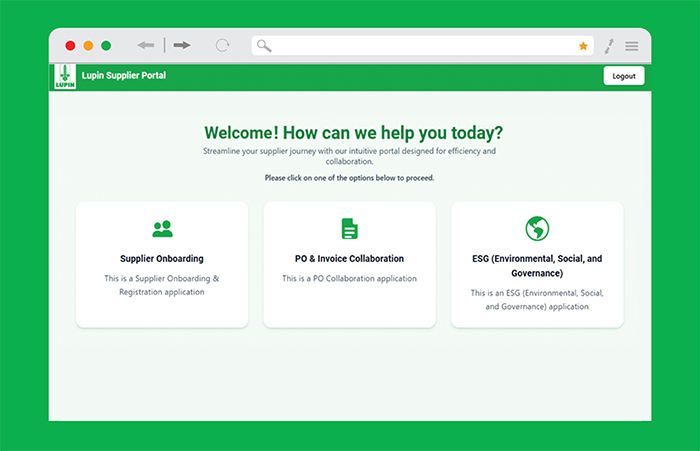
Our commitment to responsible sourcing is reflected in our robust Supplier ESG Assessment Program, conducted through independent third-party evaluations, and supported through our dedicated Supplier Portal. The portal enables structured onboarding, performance monitoring, collaboration, and transparency across the value chain.
Through a sharp focus on process excellence and capability building, we build cost competitiveness, supply reliability, and long-term resilience across our operations. This partnership‑led approach enables us to move from traditional transactional relationships to a more integrated ecosystem, where suppliers actively contribute to innovation, risk mitigation, and the advancement of responsible sourcing practices.
ESG Assessment of Suppliers/Vendors
In FY26, we further embedded environmental, social, and governance considerations into supplier onboarding and performance evaluation processes through a risk-based framework. Suppliers are assessed using ESG questionnaires, third-party databases, and due diligence checks, followed by segmentation based on criticality and risk exposure. This framework enables systematic tracking and continuous improvement of ESG performance of key suppliers, with a focused emphasis on material vendors. Recognizing that suppliers are partners at different stages of their sustainability journey, we have adopted a collaborative, capability-building approach to advancing responsible sourcing practices across our value chain. This includes structured capacity-building initiatives such as supplier webinars, ESG self-assessments, and on-site audits, supported by well-defined Corrective and Preventive Action (CAPA) plan. Through these efforts, we strengthen accountability, enable continuous improvement, and promote stronger sustainability integration across our supplier ecosystem. Beyond risk management, we focus on building resilience, enhancing transparency, and creating shared value with our partner ecosystem.
Our Engagement with Suppliers on ESG Encompasses the Following Activities:
Supplier Training on ESG
- Suppliers receive mandatory training material and capabilitybuilding support from internal and external experts.
- In FY26, 400+ suppliers were covered in seven ESG capacity building programs, covering Biodiversity, Human Rights, Quality and Compliance, Climate Change, Water and Waste Management.
- Seven high-impact suppliers were shortlisted and enrolled in specialized training programs, e.g., Supplier Clean Energy Program by Clean Energy Buyer’s Association (CEBA).
Supplier Commitment to Lupin Code of Conduct
- 100% of our suppliers are committed to compliance with our third-party code of conduct and sustainable procurement policy.
Supplier ESG Assessment
- Developed an independent ESG Assessment Digital Tool with strong audit trails to ensure transparency and objectivity in supplier assessment on ESG factors.
- 77 suppliers were covered in the ESG assessments.
Supplier Corrective Action Plan/Improvement Plan
- 100% of the suppliers identified with potential or actual ESGrelated risks were given CAPA.
- All suppliers received support for CAPA implementation from our in-house experts and third-party specialists.
Supplier Collaborative Programs
- Supported 40+ suppliers by providing GHG Emissions Monitoring Tool
- Collaborated with packaging material suppliers to develop product-level carbon footprint
- Conducted one on one engagements with select suppliers to identify and prioritize low carbon product alternatives
- Ongoing engagement with 100+ CMO suppliers to identify opportunities for reducing their GHG emissions
This year’s assessment highlighted a strong foundation of ESG practices across our supplier ecosystem, supported by wellestablished policies and management systems covering ethics, EHS, and human rights. Environmental stewardship is increasingly reflected in supplier operations through resource monitoring, responsible environmental practices, and a growing focus on climate-related initiatives. Efforts across emissions management, renewable energy adoption, biodiversity, and sustainability certifications continue to gain momentum, contributing to stronger alignment with our responsible sourcing priorities. The graph below illustrates supplier ESG maturity levels in greater detail.
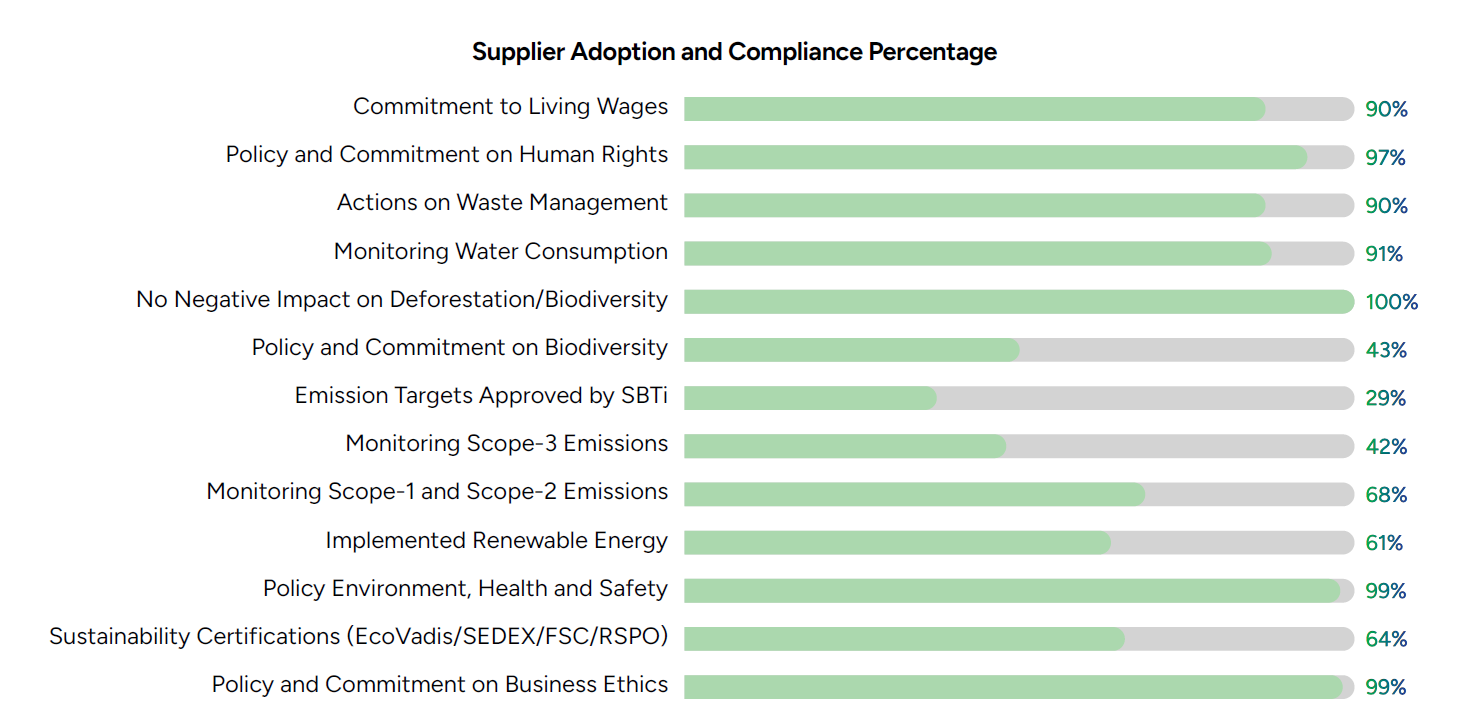
We work closely with our partners to address gaps and strengthen standards by leveraging targeted capacity-building initiatives. When potential or actual ESG-related risks are identified, we extend CAPA support to facilitate improvement. Beyond ensuring compliance, we equip suppliers with practical tools, guidance, and educational resources, including case studies and leading practices from benchmark organizations. By raising standards collectively, we strengthen not only our own processes but also the resilience, transparency, and sustainability of the broader value chain.

Building Procurement Team Capability
Capability building within the procurement team is a key focus area for the company. During the year, we conducted targeted training programs for procurement managers encompassing inclusive procurement, supplier ESG risk, and climate change and GHG emissions. The team also received training on advanced negotiation techniques, including reverse auctioning, organized by IIM Mumbai, to support more strategic and value-driven sourcing. In addition, an AI literacy program was conducted during the year for all team members to build awareness of emerging digital tools and their application in procurement processes. These interventions deepened sustainability integration into sourcing decisions, enhanced supplier engagement, and reinforced the role of procurement in supporting sustainable and responsible value creation.
Lupin Supplier Portal
In FY26, we further strengthened our Supplier Portal by integrating a comprehensive ESG Assessment Tool, reinforcing our commitment to responsible and transparent sourcing. The Lupin Supplier Portal now enables structured supplier onboarding and enhanced collaboration, with all new vendors undergoing a detailed ESG assessment. The enhanced platform provides a standardized and auditable framework for annual ESG assessments of critical suppliers, covering questionnaire distribution, response capture, CAPA validation, and approval workflows. This enables systematic evaluation of supplier ESG performance, supports risk mitigation, and promotes greater accountability across the supply base.
For Lupin users, the portal delivers faster supplier onboarding, streamlined post-PO collaboration, improved compliance and controls, enhanced visibility across post-PO processes, reduced administrative effort, quicker issue resolution, and stronger datadriven insights to evaluate and monitor supplier ESG performance.
For vendors, it provides unified access to purchase orders, advance shipment notifications, invoice submission, and payment visibility, along with self-management of supplier profiles, improved collaboration on ESG with our teams, and faster query resolution. Together, these enhancements strengthen long-term partnerships and reinforce our belief that ESG excellence and operational efficiency are shared responsibilities across the value chain.
Reimagining Procurement Through Digital Transformation
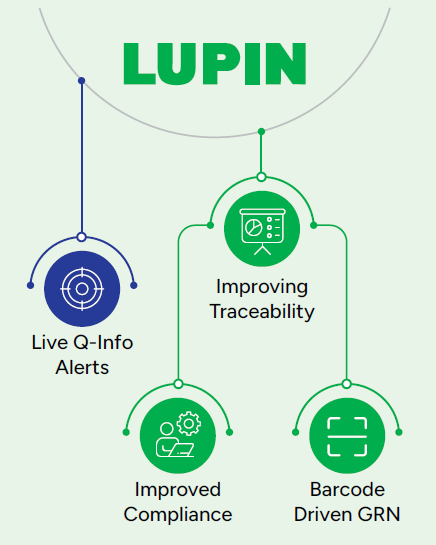
Our Business Process Reengineering-led procurement transformation initiative is designed to standardize, automate, and digitize end-to-end procurement. Powered by SAP Ariba, upgraded SAP S/4HANA, MoSymphony, and an enhanced Supplier Collaboration System (SCS), the initiative integrates multiple platforms into secure, low-touch, and scalable workflows.
The initiative has significantly improved data accuracy, enabled real-time visibility across procurement systems, and reduced manual interventions. Suppliers benefit from enhanced purchase order to goods receipt visibility (PO to GRN), touchless document management, smarter sourcing, proactive alerts, and intuitive collaboration tools, creating a more seamless and responsive supplier experience.
Through this initiative, we have improved procurement efficiency, transparency, and collaboration, positioning the company to scale with greater agility while supporting sustainable long-term growth.
Decarbonization of Value Chain
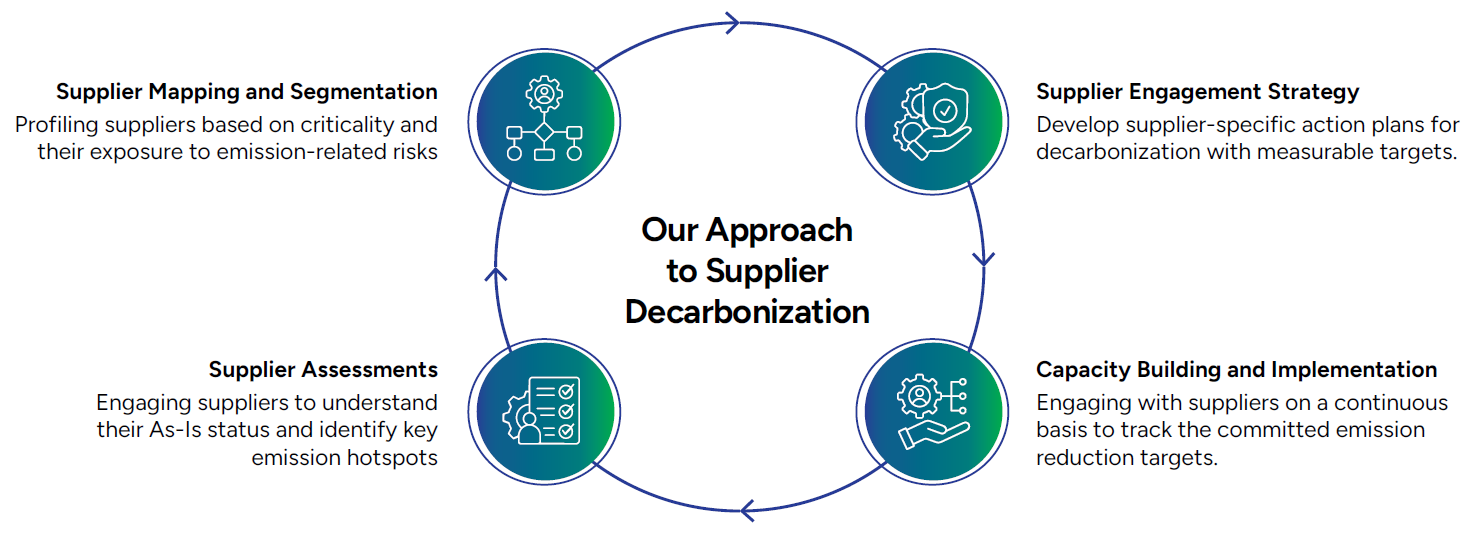
Suppliers play a critical role in supporting meaningful Scope-3 emission reduction efforts. As a result, advancing decarbonization across our supply chain is a core pillar of our climate strategy. In the pharmaceutical sector, supply chains account for a significant share of environmental impact. Scope-3 emissions represent around 80% of our total carbon footprint, with approximately 46% arising from purchased goods and services. Recognizing this material impact, we set a bold ambition in FY25, formally defining our Scope-3 target and committing to 61% reduction in emissions by FY33 in alignment with the Science-Based Targets initiative (SBTi) guidelines, which was successfully validated.
Over 300 key suppliers who contribute significantly to emissions from purchased goods and services have been identified and prioritized. We are working closely with them to drive shared emission reduction outcomes by encouraging the adoption of science-based targets, renewable energy sourcing, resource efficiency measures, product lifecycle assessments, and lowcarbon manufacturing practices. By fostering transparency, capability building, and joint ownership of sustainability goals, we are deepening collaboration and building long-term relationships across our partner ecosystem.
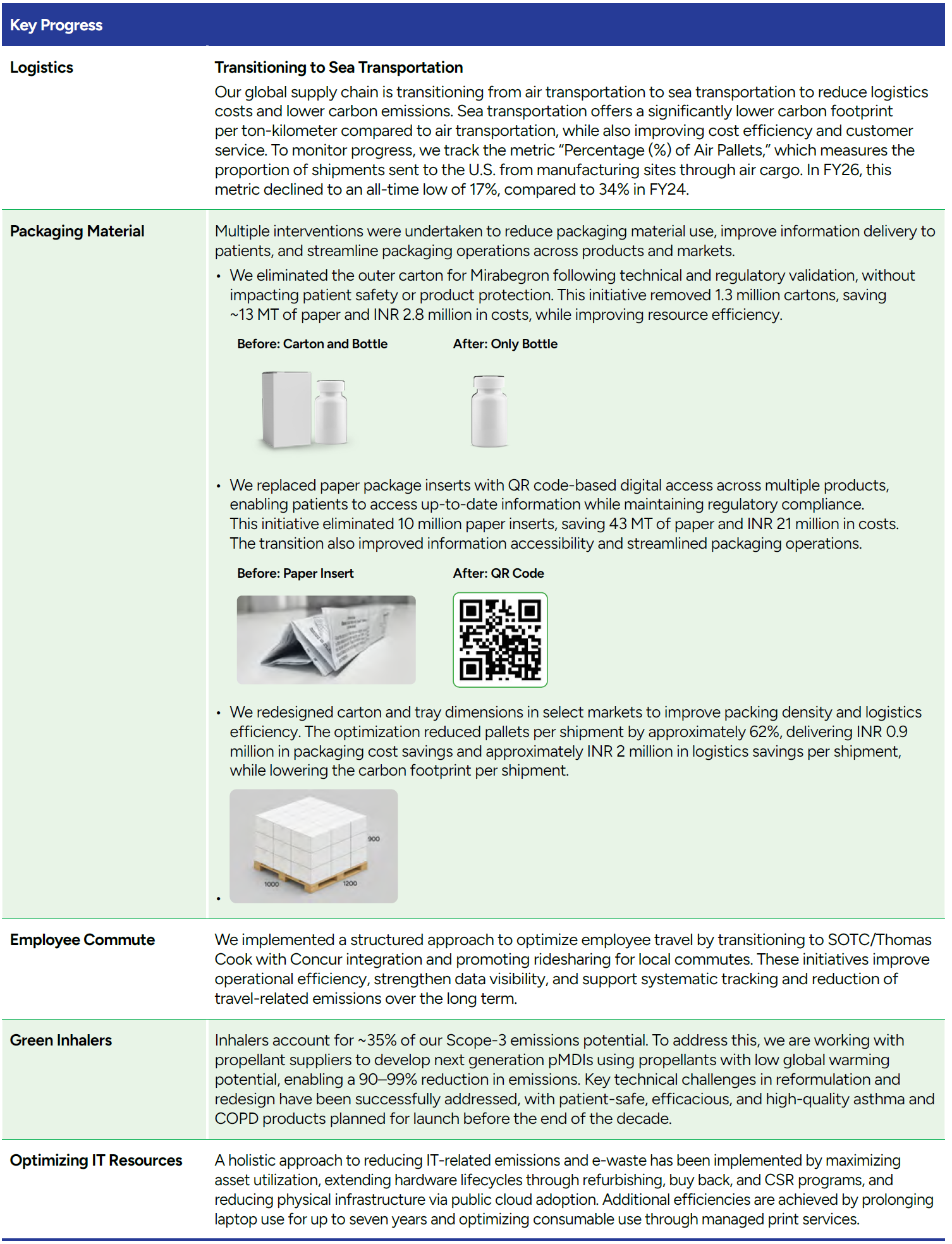
Complementing this engagement, we are implementing operational initiatives such as shifting from air to sea transportation, exploring greener logistics solutions, transitioning from paper inserts to QR codes, packaging optimization, and improved IT asset lifecycle management to reduce environmental impact across the value chain. Together, these actions support a more resilient and lower-carbon supply chain built on collaboration, accountability, and responsible business practices.
By actively engaging and collaborating with our supplier ecosystem, we are enabling smarter sourcing decisions, greener operations, and sustained carbon reduction. Together with our partners, we are building a future-ready value chain that delivers excellence with responsibility.
In addition to engaging suppliers across our value chain, we also operate as suppliers to global customers and are committed to meeting and exceeding their sustainability expectations. As part of this commitment, we have made strong progress in customer-led supplier assessments and external sustainability ratings.
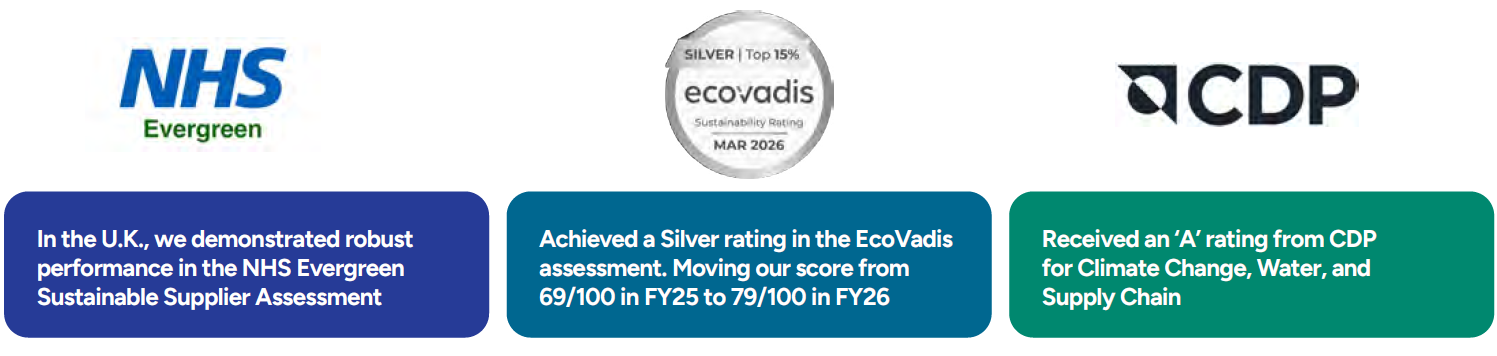
These recognitions reinforce our commitment to responsible business practices and the continual strengthening of a sustainable and resilient supply chain.
Way Forward
Trust-based relationships and collaborations will continue to underpin our community outreach efforts, with data-led insights and digital tools playing a critical role in expanding the reach of quality and affordable healthcare. This approach will support better outcomes across early intervention, treatment adherence, and continuity of care in high-burden diseases, particularly among communities with limited healthcare access. Importantly, it will also support our purpose of catalyzing treatments that transform hope into healing.
Community initiatives will progressively transition towards a more integrated model. Led by LHWRF, programs spanning livelihood development, preventive healthcare, and natural resource management will be converged to address the structural determinants of health and well‑being. Greater emphasis will be placed on building community resilience through capacity building, local institution strengthening, and the creation of self‑sustaining ecosystems. A structured scale‑up roadmap will enable replication across geographies, while embedding robust impact measurement frameworks to track long‑term social value creation. Concurrently, deeper employee engagement will be fostered through purpose‑led volunteering and skill‑based contributions, strengthening alignment between organizational purpose and on‑ground impact.
In parallel, advancing a responsible, transparent, and low‑carbon value chain will remain a strategic imperative. In line with the ambition to reduce Scope-3 emissions intensity by 61% by FY33, engagement with suppliers will evolve from assessments to collaborative partnerships. Focus areas will include accelerating renewable energy adoption, enabling science‑based target setting, improving resource efficiency across operations, and greater transparency in reporting. Additionally, the advancement of greener logistics and circularity‑oriented practices will further contribute to decarbonization and resource optimization.
Collectively, these initiatives will shape a more connected, inclusive, and resilient ecosystem, strengthening trusted relationships with communities and partners, embedding accountability across the value chain, and enabling sustainable, long‑term value creation in alignment with our purpose of catalyzing treatments that transform hope into healing.
 Assurance Statement