
Natural
Capital
Catalyzing climate action
At Lupin, environmental sustainability is not merely an obligation – it is intrinsic to our philosophy and the way we operate. We recognize the inseparable link between people’s health and the natural environment – the air we breathe, the water we depend on, and ecosystems that sustain life – all of which are fundamental to patient well-being, resilient healthcare systems, and the trust stakeholders place in us.
This understanding drives our actions to bring to life our founder’s vision and purpose of catalyzing treatments that transform hope into healing. Our Natural Capital stewardship, therefore, underpins our decision-making, manufacturing processes, and efforts to ensure access to medicines for patients worldwide.
In FY26, we enhanced our commitment to strengthening Natural Capital across climate action, water management, circularity, biodiversity, product responsibility, and environmental risk management. Our efforts are directed toward responsibly reducing our environmental footprint while enhancing operational resilience, improving resource security, and contributing to healthier communities – today and in the future.

41%
Reduction in Absolute GHG Emissions (Scope-1 and 2)
48%
Share of Renewable Energy in Global Operations
5
Years of Water Positivity
91%
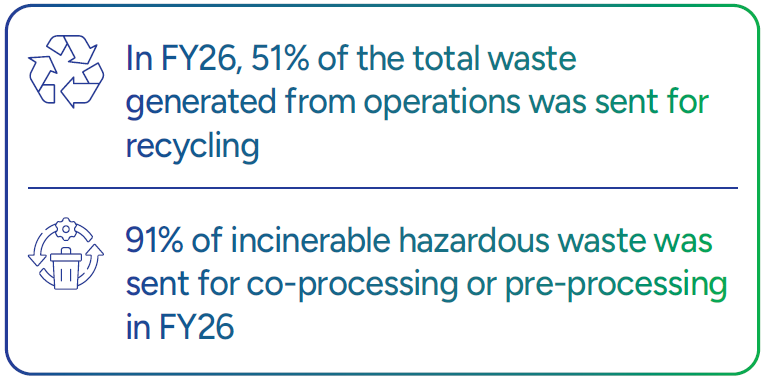
Incinerable Hazardous Waste Sent for Co-Processing
45%
Water Recyclability in India Operations
10%
Absolute Fresh Water Reduction in India Operations
Material Topics

Energy Management

Sustainable Supply Chain and Responsible Procurement

Compliance

Circularity and Waste Management

Water Management

Climate Change (Overall Value Chain)

Pollution

Biodiversity and Ecosystem
Management Approach
Our approach to Natural Capital management is shaped by our dependence on natural resources and the environmental impact of our business. Our operations depend on energy, water, raw materials, land, and ecosystem services. Additionally, across our value chain, suppliers’ practices, product use, and end-of-life activities also have a bearing on our environmental footprint. It is essential to manage this impact responsibly to support public health, improve operational reliability, protect community resources, and build long-term value for patients, healthcare systems, and society.
We adopt a comprehensive and integrated approach to Natural Capital management, spanning energy, Greenhouse Gas (GHG) emissions, water, wastewater, waste, circularity, biodiversity, pollution prevention, climate risk, and product stewardship. We minimize GHG emissions through energy-efficiency measures, process optimization, renewable energy adoption, fossil-fuel substitution, and value chain collaboration. Our water management efforts include recycling, recovery systems, strict wastewater treatment, Zero Liquid Discharge facilities, and a focused approach to managing facilities in water-stressed regions. Additionally, waste is reduced through source minimization, recovery, recycling, coprocessing, responsible disposal, and compliance with Extended Producer Responsibility requirements.
Environmental risk management is embedded in our Enterprise Risk Management (ERM) framework, which integrates climaterelated physical and transition risks. These insights inform facility-level resilience-building, transition planning, and business continuity strategies, ensuring that our operations remain robust in a changing environmental landscape.
Together, these efforts strengthen our ability to operate responsibly while building a future-ready business that delivers sustained value for stakeholders.
EHS and Sustainability Governance
At Lupin, purposeful governance is fundamental to the way we operate. Our Environment, Health, Safety and Sustainability (EHS&S) governance framework goes beyond compliance by embedding accountability, transparency, and ethical responsibility into every decision that affects our people, our operations, and the communities we serve.
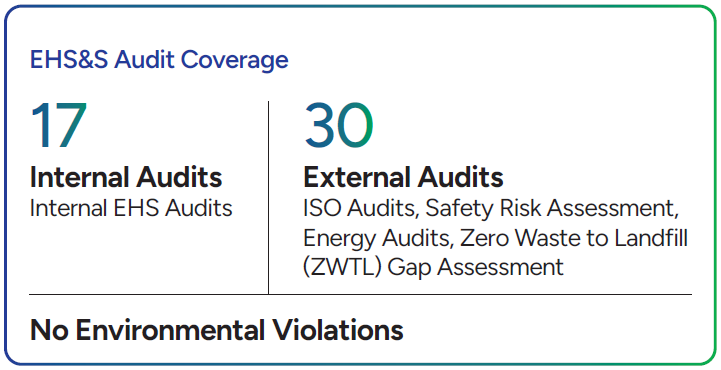
Our Sustainability and Corporate Social Responsibility (SCSR) Committee provides oversight on climate and sustainability matters, while performance is monitored through internal systems, audits, external assessment, and periodic reporting to the Board. This governance framework enables us to track performance across key environmental indicators, enhance compliance, and continually improve our approach to responsible pharmaceutical operations.
The EHS&S Policy reinforces the importance of resource efficiency, pollution prevention, waste reduction, energy conservation, biodiversity protection, and water conservation across operations. All our manufacturing facilities in India are certified to ISO 14001 and ISO 45001, demonstrating adherence to international standards in environmental and occupational health and safety management. Our international facilities undergo rigorous internal assessments, aligned with global environmental management systems practices.
We continuously monitor and evaluate our EHS&S systems and performance. Our Environmental Management System (EMS) is supported by internal audits and periodic assessments conducted by accredited external agencies, covering key parameters such as energy, water, and waste. These evaluations reinforce regulatory compliance, identify opportunities for improvement, and support operational excellence.
In FY26, we maintained a strong compliance record, with zero environmental violations across all facilities. This reflects the robustness of our environmental management systems, audit mechanisms, strong governance, and preventive controls, ensuring continued alignment with applicable statutory requirements.
Through structured oversight, robust audit trails, digital monitoring tools, and a culture anchored in integrity, we ensure that EHS&S risks are proactively identified, managed, and continually improved. This purposeful approach strengthens trust, safeguards long-term value, and ensures that safe, responsible, and sustainable practices are integrated into the way Lupin delivers excellence.
Energy Management
Access to reliable, lower carbon energy supports the continuity of medicine supply and contributes to reducing our Scope-1 and Scope-2 emissions. Energy efficiency and renewable energy underpin our decarbonization roadmap and efforts to build manufacturing resilience.
Our approach to energy management centers on optimizing energy consumption, accelerating the adoption of energy efficient technologies, progressively reducing dependence on fossil fuels, and increasing the share of renewable energy across our operations.
Our Global Energy Consumption
| Energy Consumption (GJ) | FY24 | FY25 | FY26 |
|---|---|---|---|
| Non-Renewable Energy | 2,214,003 | 1,766,290 | 1,490,075 |
| Renewable Energy | 634,443 | 1,133,412 | 1,372,142 |
| Total Energy Consumption | 2,848,446 | 2,899,702 | 2,862,217 |
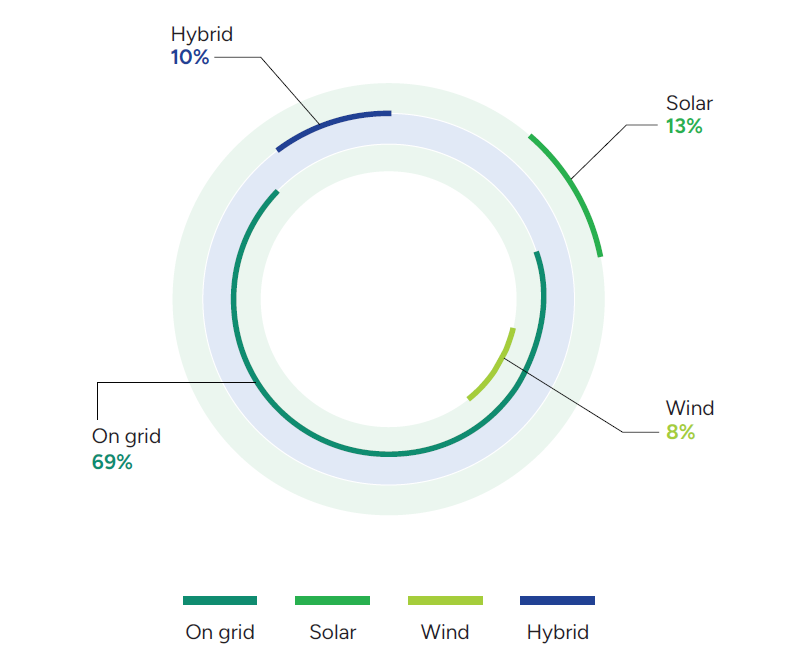
FY26 Electricity Consumption by Source
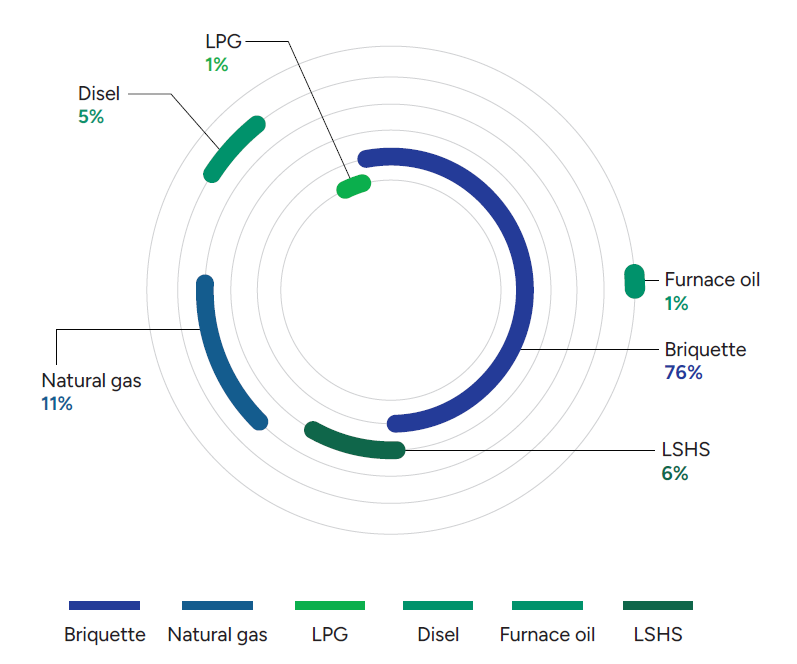
FY26 Fuel Consumption by Source
In FY26, we conducted detailed energy audits across four energy-intensive manufacturing facilities. These audits systematically identified opportunities to reduce energy consumption, improve equipment performance, enhance utility efficiency, and integrate renewable energy, supporting reductions in Scope-1 and Scope-2 emissions.
These findings support transition planning, guide technology upgrades, and bolster our long-term decarbonization roadmap by pinpointing inefficiencies and enabling targeted, measurable emission reductions.
Renewable Energy Transition
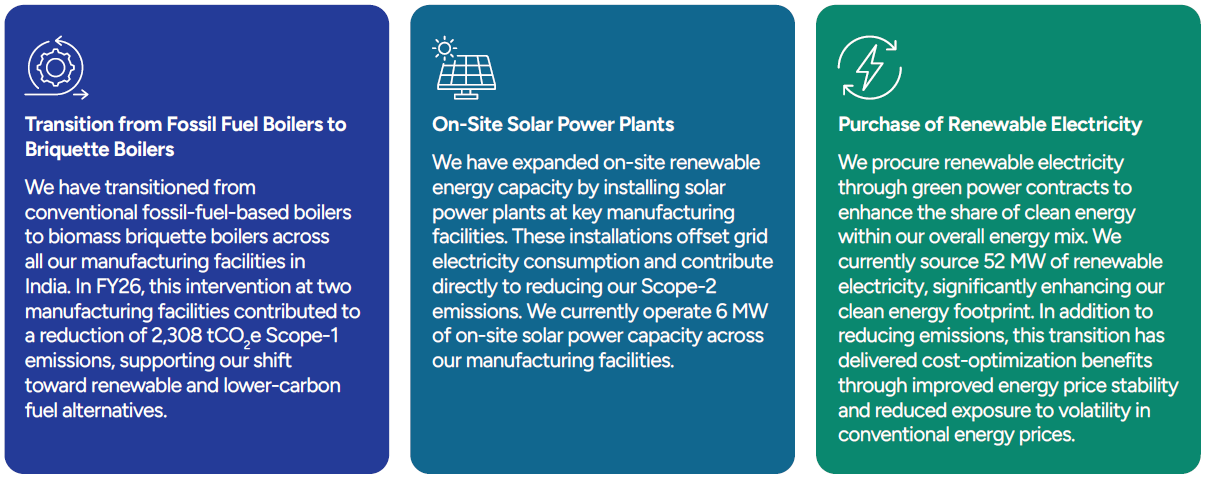
We are scaling up our use of renewable energy to reduce reliance on fossil fuels, lower operational emissions, and support long-term energy resilience. Our renewable energy strategy combines on-site generation, sourcing renewable electricity, and transitioning from fossil-fuel boilers to low-carbon alternatives.
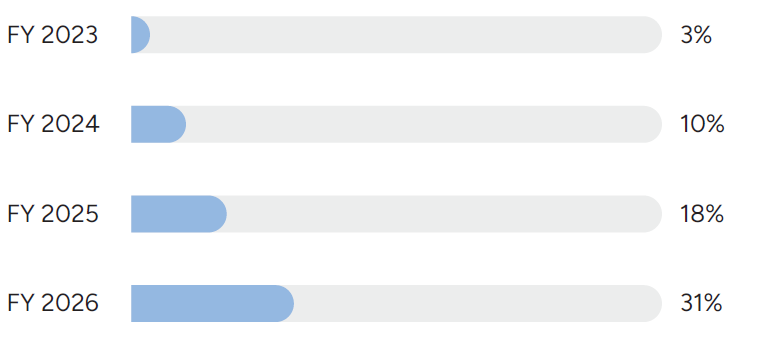
Increase in Global Renewable Energy Share
Percentage Share of Renewable Electricity
Percentage Share of Renewable Energy
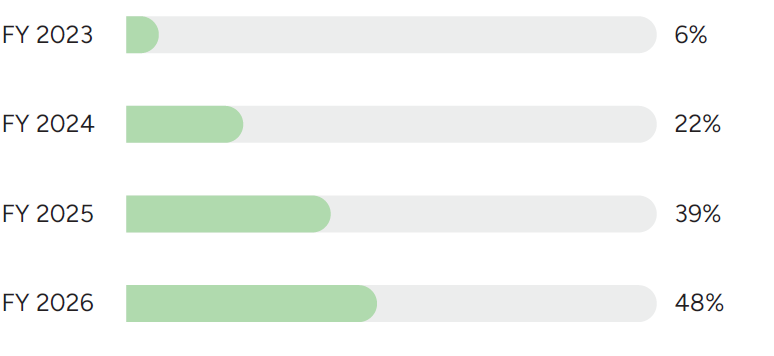
*Note: Renewable electricity refers only to electricity sourced from renewable sources such as solar, wind, and hybrid. Renewable energy includes renewable electricity as well as other renewable energy sources used in operations, such as biomass briquettes.
Driving the Shift Toward Alternative Energy Sources
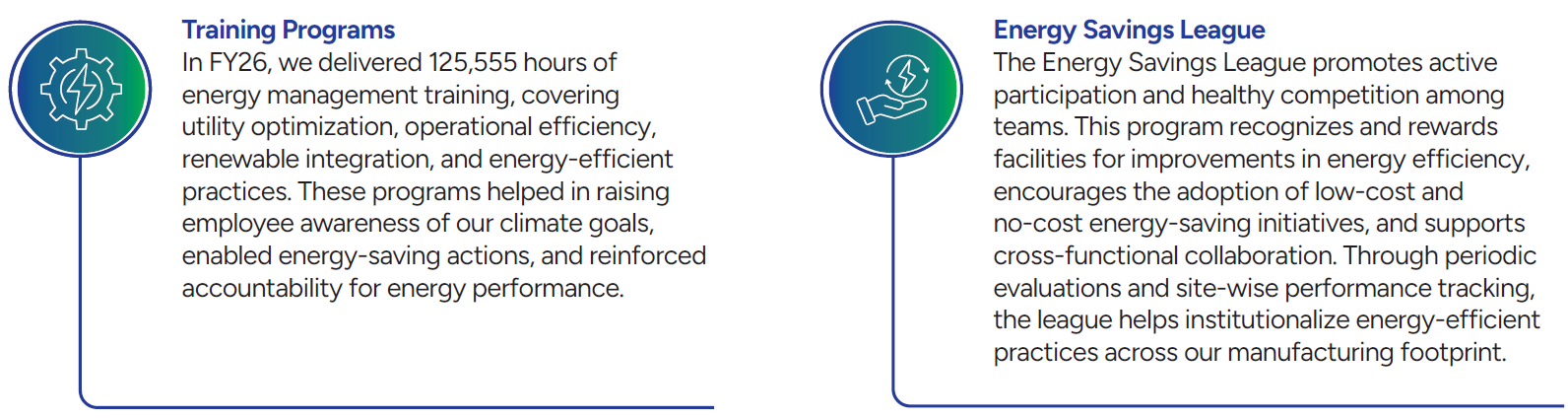
Employee Engagement in Energy Management
Decarbonization requires more than technology; it is also driven by employee awareness, ownership, and behavior. At Lupin, we actively engage teams across engineering, operations, production, maintenance, utilities, and shop floor functions to integrate energy efficiency into everyday decision-making.

Greenhouse Gas Emissions Reduction Targets and Science-Based Targets Initiative Validation
We have advanced our climate ambition by aligning our GHG reduction targets with the Science-Based Targets initiative (SBTi). SBTi validation boosts the credibility of our climate pathway by confirming that our targets are aligned with climate science expectations and the Paris Agreement’s objective of limiting global warming to 1.5°C.
SBTi Validation Statement
“Lupin Ltd. commits to reducing absolute Scope-1 and Scope-2 GHG emissions by 42.0% by FY30 from a FY23 base year. Lupin Ltd. also commits to reducing Scope-3 GHG emissions from purchased goods and services, fuel- and energy-related activities, upstream transportation and distribution, business travel, employee commuting, downstream transportation and distribution, processing of sold products, use of sold products, and franchises, by 61.07% per INR value added by FY33 from a FY24 base year.”

For more details, please visit:
https://sciencebasedtargets.org/target-dashboard
| Target Type | GHG Emissions | Base Year | Target Value | Target Year | Performance as of FY26 from the Base Year |
|---|---|---|---|---|---|
| Absolute GHG Emission Reduction Target | Scope-1 and 2 | 2023 | 42% reduction | 2030 | 41% absolute reduction |
| Intensity GHG Emission Reduction Target | Scope-3 | 2024 | 61.07% reduction | 2033 | 35% intensity reduction |
Emissions and Carbon Footprint
We manage our GHG footprint across direct operations, purchased energy, and value-chain emissions. Our climate strategy focuses on reducing Scope-1 and Scope-2 emissions through renewable energy, energy efficiency, and fossil-fuel substitution, while addressing Scope-3 emissions through supplier engagement.
In FY26, our global GHG footprint comprised 5% Scope-1 and 15% Scope-2 emissions, with the balance attributable to value-chain Scope-3 emissions. In accordance with the GHG Protocol, biogenic CO2 is disclosed outside the Scopes, while all other related GHG emissions are accounted for within the relevant Scopes.
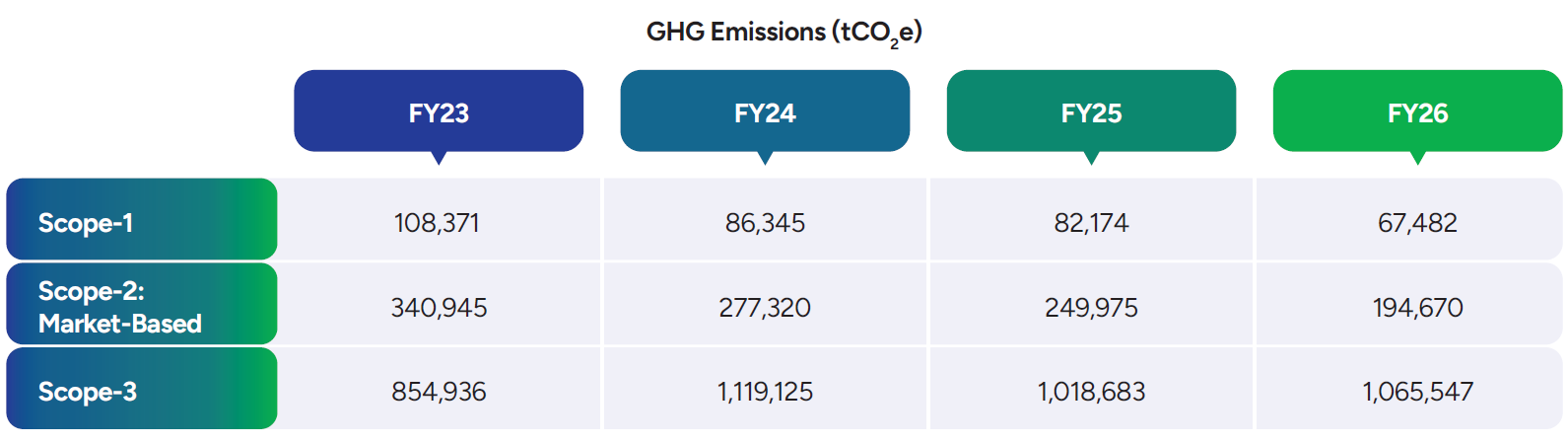
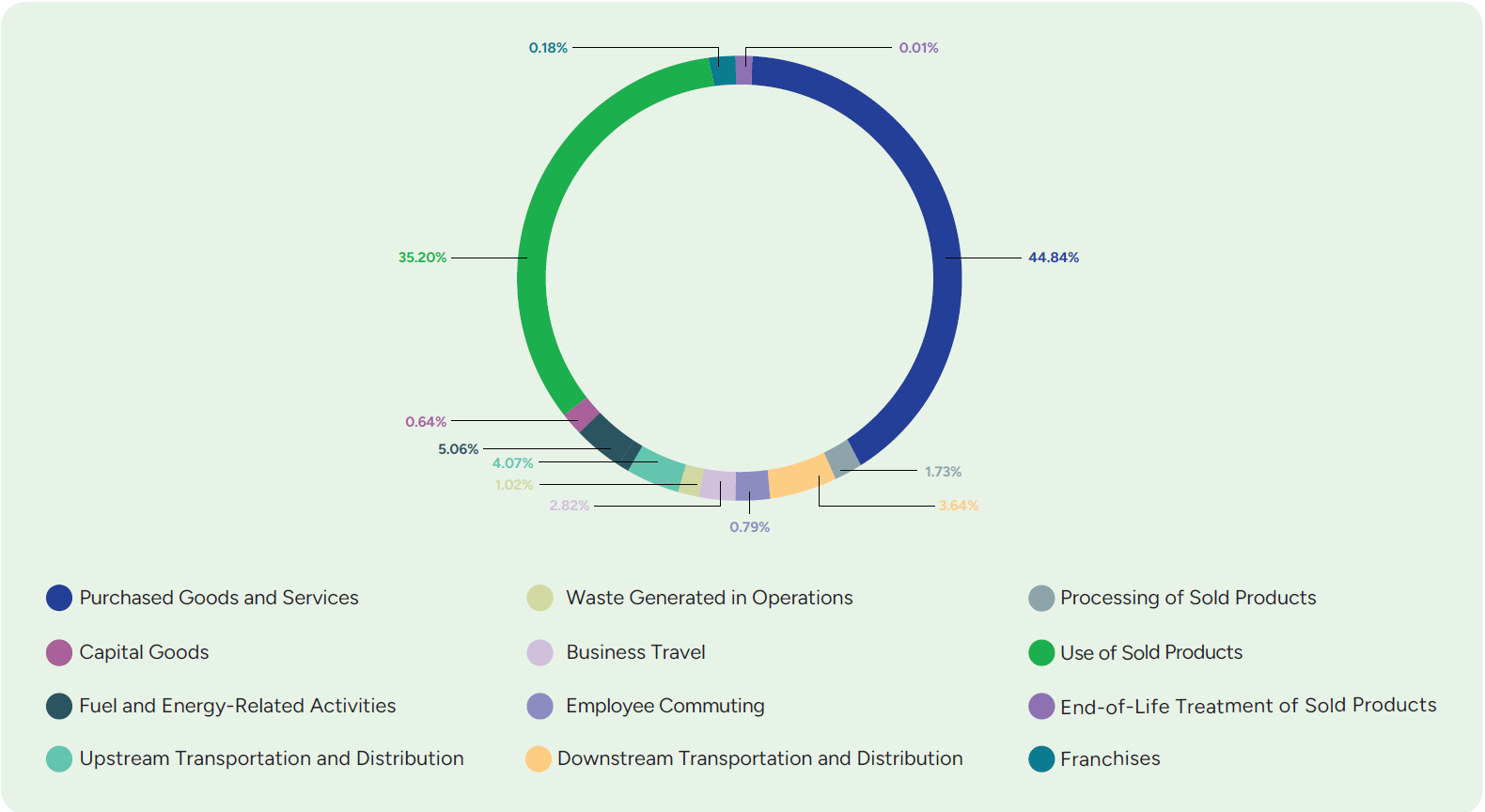
In FY26, purchased goods and services and use of sold products were the largest contributors to our Scope-3 footprint, collectively accounting for approximately 80% of value chain emissions. This reflects the emissions intensity of our upstream and downstream product-use phase, making supplier engagement and low-carbon product innovation key priorities for Scope-3 reduction.
Transition Plan and Decarbonization Levers
Our transition plan is aligned with climate targets and strategic priorities. It is built around projected growth in production volumes, upcoming expansion projects, and the anticipated mitigation potential of emerging low-carbon technologies. The plan also recognizes uncertainties, including future business growth trajectories that may increase resource consumption. Our transition pathway encompasses both our direct operations (Scope-1 and 2 emissions) and our value chain (Scope-3 emissions).
Key Climate Actions
Supplier Engagement
As a substantial share of our Scope-3 emission footprint originates from purchased goods and services, supplier engagement is a key priority. To address this, we are driving a structured set of initiatives, as follows:
- Engaging more than 400+ critical and strategic suppliers to build awareness and capability around GHG measurement and reduction
- Encouraging suppliers to adopt science-based targets, renewable energy sourcing, resource efficiency, and low carbon manufacturing practices
- Integrating sustainability criteria into sourcing decisions to drive long-term value chain transformation
Optimizing Transportation and Distribution
We manage logistics and distribution-related emissions through:
- Shifting to lower emission modes of transport, including air-to-ocean movement, wherever feasible
- Improved packaging, load efficiency, and route planning
- Collaboration with logistics partners to explore low-carbon fleets
Strategic Collaboration
Industry collaboration amplifies impact and accelerates decarbonization. We partner with:
- Technology innovators
- Suppliers and contract manufacturers
- Industry associations and sustainability platforms
Low Carbon Innovation
Product innovation is central to addressing use phase emissions. Our collaboration with Honeywell to develop next-generation respiratory inhalers using near-zero Global Warming Potential (GWP) propellants is one of the most impactful climate levers in reducing carbon footprint. This innovation:
- Reduces lifecycle emissions from inhaler propellants
- Enables the availability of climate friendly alternatives for patients
- Aligns with global industry trends toward low GWP medical devices
Enhancing Circularity
Embedding circular economy principles across operations and the supply chain helps us reduce lifecycle emissions. Our focus areas include:
- Supporting suppliers in waste minimization and resource recovery
- Exploring opportunities to increase recycled content in raw materials and packaging
We also implemented a comprehensive Internal Carbon Pricing (ICP) framework that covers Scope-1, Scope-2, and Scope-3 emissions. The ICP mechanism is integrated into our business decision-making processes, serving as a strategic lever to align financial planning, operational decisions, and investment strategies with its long-term climate objectives.
Climate Social Implications and Just Transition
As we advance our climate transition plan, we recognize that the shift to renewable energy, low-carbon technologies, and new operating practices will require operational adjustments and new skills, create cost pressures for small suppliers, and cause disruptions for surrounding communities. We aim to manage this transition in a fair and inclusive manner, with a focus on supporting our employees, Small and Medium-sized Enterprises (SME) across our supplier base, and community members in the vicinity of our operations.
| Stakeholder Group | Impact | Actions to Support |
|---|---|---|
| Own Workforce | The shift to renewable energy, efficient technologies, and digital tools may require new skills and adjusted roles. | We offer ongoing training in energy efficiency, renewable energy, low carbon technologies, and digital systems to help employees adapt and thrive. |
| SME Suppliers | Smaller suppliers may face financial or technical challenges in adopting renewable electricity, low carbon materials, and improved energy practices. | We support suppliers, especially SMEs, through technical guidance, capacity building sessions, and promotion of cost effective low carbon solutions. |
| Community | Clean energy transitions improve air quality but may require careful change management to avoid local disruptions. | We focus on implementing biomass boilers and increasing the use of renewable energy which enhances community air quality. |
Net Zero Factory, Driving Site-Level Decarbonization
Our journey toward Net Zero has moved from strategy to action. We are progressing our Net Zero ambition through a focused, factory-level approach to emission reduction. This enables targeted carbon abatement, improves cost efficiency, and strengthens facility-level ownership by embedding energy and emissions management into day-to-day operational decisions.
We are implementing a structured three-phase approach, including planning, execution, monitoring and reporting. This enables us to identify carbon hotspots, prioritize high impact interventions, and track progress through digital systems. Our efforts are focused on key levers, including energy efficiency, fuel transition, renewable energy integration, circularity, and waste optimization.
In FY26, a pilot was carried out at our Tarapur, Pithampur, Ankleshwar, and Mandideep facilities in India. The focus was on on- site assessments, carbon hotspot identification, and prioritization of high-impact interventions such as energy-efficiency upgrades, boiler optimization, cleaner fuel sourcing, renewable energy deployment, and solvent-recovery initiatives.
In FY27, we plan to convert findings from the previous year into facility-level implementation plans, with defined ownership, timelines, investment requirements, and performance tracking. This phase will focus on executing priority interventions and monitoring their contribution to emission reduction, operational efficiency, resource productivity, and cost performance.
Over the medium term, we plan to extend the Net Zero factory model across 100% manufacturing facilities. Based on identified opportunities, the program is expected to support up to a 25% reduction in operational emissions across facilities, alongside substantial cost savings. This phased approach reinforces facility-level accountability and accelerates our ambition towards achieving Net Zero emissions.
Lupin U.K. Healthcare – Carbon Credits
In the U.K., we are advancing responsible, patient-centered healthcare by embedding sustainability across our operations and partnerships. As a long-standing partner to the National Health Service (NHS), Lupin Healthcare U.K. recognizes its responsibility to support the NHS’s environmental ambitions and augment its own sustainability performance.
During FY26, Lupin Healthcare U.K. completed the NHS Evergreen Sustainable Supplier Assessment and achieved Level 2. This milestone reflects progress beyond initial commitment, demonstrating the establishment of comprehensive Net Zero targets, transparent emissions reporting, and a structured approach to sustainability and social value creation. The Evergreen Sustainable Supplier Assessment is a core NHS self assessment framework that enables suppliers to evaluate alignment with NHS priorities, including carbon reduction, energy efficiency, and broader environmental sustainability.
Key Actions in FY26
- Completed a comprehensive GHG assessment to develop a clear understanding of the emissions profile across relevant Scopes.
- Developed a Carbon Reduction Plan (CRP) with a clear roadmap toward achieving Net Zero.
- Achieved carbon neutral certification for the respiratory product portfolio Luforbec® and Beclu®, reflecting efforts to reduce emissions across the product lifecycle and responsibly address residual impact.
- Purchased and retired 30,000 tCO2e carbon credits in FY26 from recognized carbon standards encompassing:
- Gold Standard-certified solar power project in India (GS7762)
- VCS-certified wind power project in India (VCS1904) and (VCS1856)
- Continued progress in reformulation of products within the pressurized metered-dose inhaler (pMDI) portfolio, with the objective of incorporating propellants with near-zero GWP.
Together, these initiatives demonstrate Lupin U.K. Healthcare’s integrated approach to emissions management, product innovation, and alignment with NHS priorities.
Water Management
Water stewardship plays a vital role in safeguarding public health, strengthening community resilience, and ensuring reliable manufacture of medicines. Our approach to managing water focuses on reducing freshwater withdrawals, improving water recovery, increasing recycling and reuse, ensuring responsible wastewater management, and prioritizing action at facilities located in water-stressed regions.
For five consecutive years, we have upheld our position as a water-positive organization – driven by rigorous water optimization across manufacturing sites and sustained investment in community-level conservation programs.
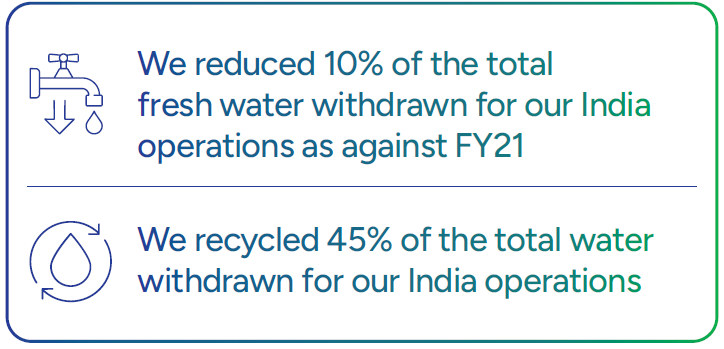
Responsible wastewater management is supported by wastewater recycling and Zero Liquid Discharge (ZLD) facilities at six of our manufacturing facilities. Recovered water is reused in utilities, reinforcing our approach to resource circularity. In FY26, we reduced total fresh water withdrawals across our India operations by 10% and recycled 45% of the total water withdrawn.
We adhere to all applicable national and local water regulations, supported by robust monitoring systems, advanced treatment technologies, periodic audits, real-time monitoring, and strong standard operating procedures to ensure that treated water meets or exceeds regulatory discharge standards. Effluent quality is monitored regularly in accordance with statutory requirements.
We have conducted water risk assessments at all our manufacturing facilities using the Aqueduct tool. Facilities in water-stressed regions are prioritized for recycling and efficiency improvements. Achieving water positive status for five consecutive years is a clear reflection of our steady and sustained progress.
Training Programs
In FY26, we conducted targeted water conservation and water management training programs. These programs equipped employees with practical knowledge on efficient water use, wastewater handling, freshwater optimization, and circular water practices such as recycling and reuse. The sessions were tailored for engineering teams, utility and Effluent Treatment Plant (ETP) or ZLD operators, production staff, maintenance personnel, and workers.
These sessions improved awareness and ownership of our water management goals, deepened understanding of water-intensive processes, and empowered teams to identify and implement water-saving opportunities.
Water Savings League
The Water Savings League is an employee engagement and training program designed to improve water conservation practices across our operations. Through workshops, team-based challenges, and continuous learning activities, employees identify opportunities to optimize water use within their work areas. The League promotes healthy competition while encouraging innovative ideas and measurable savings.
Anti-Microbial Resistance
We evaluate the environmental impact of Active Pharmaceutical Ingredients (APIs) by assessing water discharge quality, bioaccumulation potential, and toxicity. Treated wastewater is routinely tested to ensure that Predicted No-Effect Concentration (PNEC) values remain below quantifiable limits.
Over the last two years, we have assessed five antibiotics (Ethambutol, Linezolid, Isoniazid, Moxifloxacin, and Doxycycline) for AMR risk. The wastewater samples analyzed showed limits of quantification well below the established PNEC thresholds for all antibiotics, demonstrating safe manufacturing practices and robust wastewater management controls.
Circularity and Waste Management
We follow a structured, data-driven, and accountable approach to waste management. Periodic comprehensive waste audits across manufacturing facilities and corporate operations help identify performance gaps and opportunities to improve efficiency in current practices. The insights from these audits inform targeted interventions to reduce waste generation at the source.
To translate these learnings into action, we have established clear, quantifiable waste reduction targets and monitor progress through internal governance mechanisms. Continuous improvement enables us to evaluate and adopt emerging technologies and operational practices that support waste minimization.
We conduct capacity building and awareness programs on waste reduction practices. We have established a well-defined recycling and resource recovery system that minimizes the volume of waste. Our waste diversion performance is independently verified by an accredited third-party agency, reinforcing transparency and accountability.
Aiming to strengthen our waste management practices, we have completed a comprehensive Zero Waste to Landfill (ZWL) gap assessment across four operations and are implementing corrective actions. We anticipate achieving third-party ZWL certification in the upcoming year.
Aligned with the 3R framework – Reduce, Reuse, and Recycle – we maintain a detailed inventory of hazardous, non-hazardous, and biomedical waste. All waste is recycled or disposed off through authorized service providers, in compliance with applicable regulatory requirements.
End-of-Life Management
- Plastic waste is collected from the market under Extended Producer Responsibility (EPR) obligations and handed over to authorized vendors for recycling and energy recovery.
- Hazardous waste is sent to authorized vendors for safe disposal through landfill, incineration, or co-processing in cement kilns.
- E-waste and battery waste are sent to approved recyclers to ensure safe and compliant disposal.
- Biomedical waste is sent to authorized biomedical waste management facilities for incineration and safe disposal in line with regulatory requirements.
- Non-hazardous waste is transferred to approved vendors for environmentally responsible disposal.
We adhere to the Central Pollution Control Board (CPCB) guidelines and the Plastic Waste Management Rules, including the EPR framework for plastic waste management. We remain 100% compliant with EPR obligations. In FY26, we facilitated the collection and disposal or recycling of 3,717 MT of plastic waste through authorized waste management partners.
Case Study
Hazardous Waste Management
We advanced our commitment to responsible waste management by transitioning incinerable hazardous waste disposal practices at our Chhatrapati Sambhajinagar, Jammu, and Nagpur facilities, from conventional incineration to co-processing.
Historically constrained by regulatory approvals and infrastructure limitations, these facilities relied on 100% incineration. Through proactive engagement with regulators and waste management partners, we secured consent amendment and authorizations, and enabled pre-processing capabilities, thus facilitating a shift toward co-processing in cement kilns.
We diverted 259 MT of incinerable hazardous waste from direct incineration to heat recovery through co-processing at cement plants across our three facilities. The initiative contributed to annual cost savings of INR 3.2 million, driven by lower treatment costs per metric ton.
"Less Plastic, More MedQuímica"
At one of our manufacturing facilities in Brazil, the “Less Plastic, More MedQuímica” initiative was launched to raise awareness about the environmental impact of single use plastics and encourage behavior change among employees. As part of this effort, disposable items were gradually replaced with reusable alternatives, reinforcing the message that reducing waste is a shared responsibility.
To encourage participation, each employee received a symbolic ‘magic seed’ that revealed the word MedQuímica as it sprouted. The activity demonstrated the power of individual actions that collectively have a positive environmental impact.
Within three months of implementation, the initiative resulted in approximately one ton of waste being diverted from the landfill.
Climate Risk Assessment
Our climate risk assessment is aligned to the Taskforce on Climate-related Financial Disclosures (TCFD) framework. The assessment covers physical risks from climate hazards and transition risks associated with the shift to a low-carbon economy.
Climate-related risks are integrated into the ERM framework and inform strategic planning, site resilience, transition readiness, and business continuity. We have enhanced our governance structures, defined relevant metrics, set improvement targets, and allocated clear responsibilities and resources to support execution.
In line with the TCFD requirements and Carbon Disclosure Project (CDP) expectations, we conduct comprehensive climate risk assessments supported by scenario analysis. During the reporting year, we undertook a detailed review of climate-related risks and opportunities, with outcomes benchmarked against prior TCFD findings. The results were reviewed by the Sustainability and Corporate Social Responsibility (SCSR) Committee and considered appropriate to guide ongoing strategic planning, risk mitigation, and climate action.
Our TCFD report can be downloaded from this link:
https://www.lupin.com/esg-report/img/reports/tcfd-report.pdf
Physical Risk Assessment
We have conducted a forward looking climate resilience assessment using the Intergovernmental Panel on Climate Change (IPCC), Shared Socioeconomic Pathway SSP 2 and SSP5 scenarios for 2040 and 2060. The assessment evaluated business as usual and rapid decarbonization futures and supports planning for site resilience and the company’s broader decarbonization roadmap. The analysis covered geographic regions encompassing all our manufacturing facilities globally and evaluated physical risks, including coastal flooding, drought, temperature extremes, tropical cyclones, water stress, and wildfires. The water-risk assessment was based on a hazard metric that considers current baseline water-stress data from the World Resources Institute (WRI) Aqueduct tool and projections from the 2020s through the 2040s.
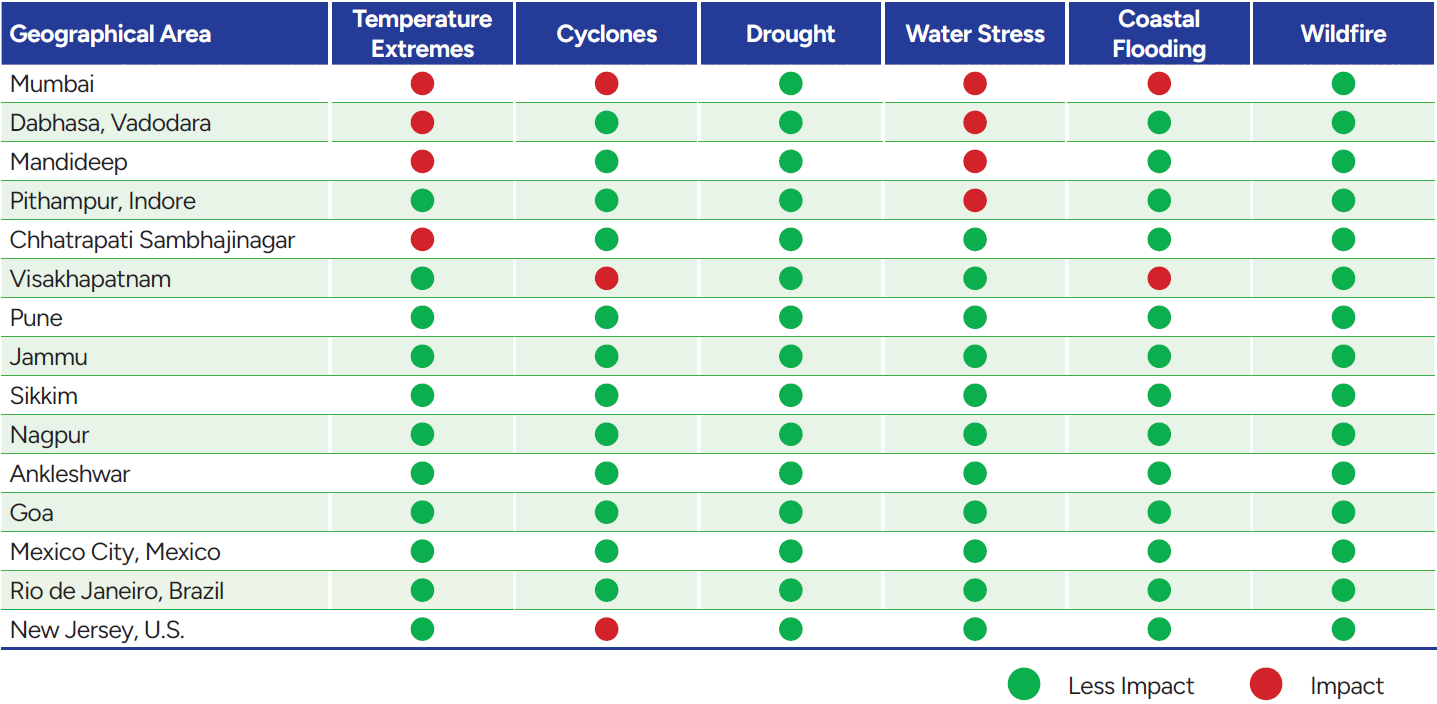
Findings indicate that the geographic areas hosting our six major manufacturing facilities in India are exposed to risks from temperature extremes, cyclones, flooding, and water stress, while other risks are not expected to pose significant threats to current infrastructure.
Physical Climate Risk Exposure by Geographic Area
Physical Risk Measures
| Physical Risk | Impact | Adaptation Measures |
|---|---|---|
 Temperature Extremes
|
|
|
 Cyclones
|
|
|
 Drought
|
|
|
 Water Stress
|
|
|
 Coastal Flooding
|
|
|
 Wildfire
|
|
|
Asset Value at Risk
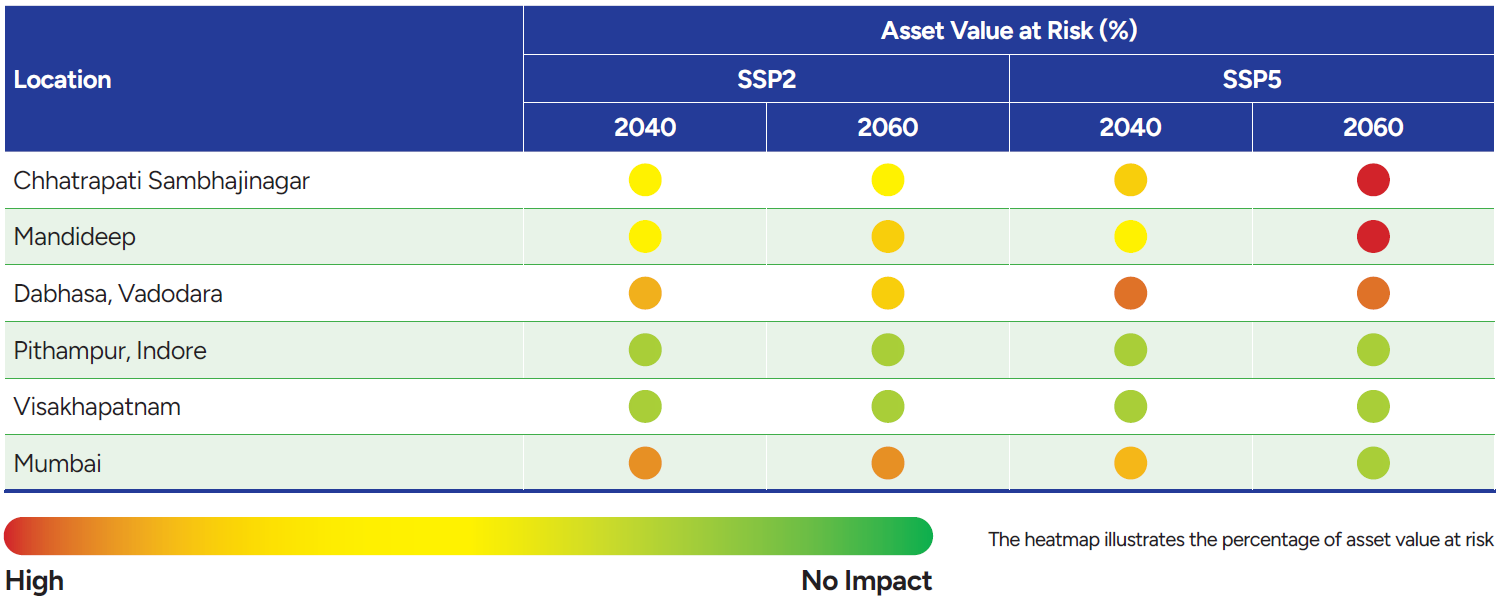
The climate risk assessment estimates potential financial exposure from physical climate risks. The impact is expressed as a percentage of asset value across locations, scenarios, and time horizons. This analysis helps identify sites with higher potential exposure to climate-related hazards. It also supports prioritization of resilience and adaptation measures across our manufacturing footprint.
The table below summarizes the estimated asset value under SSP2 and SSP5 scenarios for FY40 and FY60.
Transition Risk Assessment
We performed a transition risk scenario analysis extending through 2050 to assess risks associated with anticipated changes in policy, regulation, markets, technology, and socio-economic conditions due to climate change.
In collaboration with an academic consortium comprising the Potsdam Institute for Climate Impact Research, International Institute for Applied Systems Analysis, University of Maryland, Climate Analytics, and ETH Zurich, we employed Network for Greening the Financial System (NGFS) scenarios. These scenarios access transition pathways based on long-term temperature targets, Net Zero objectives, short-term policies, policy coordination, and technology availability.
We have evaluated policy and legal risk, reputational risk, market risk, and technology risk for different scenarios.

Transition Risks Identified
| Risk Type | Risk Description | Lupin Actions | Primary Financial Effect of the Risk | Likelihood of the Risk Having an Effect Within the Anticipated Time |
|---|---|---|---|---|
| Policy and Legal Risk – Carbon Pricing Mechanisms and Emission Reduction Targets | Carbon pricing mechanisms, carbon taxes, stricter emission norms, and climate-related regulations may increase operational and compliance costs. While India’s current carbon intensity targets for hard-to-abate sectors do not apply to the pharmaceutical sector, policy developments in international markets such as France, the U.K., and Mexico may affect energy and operational expenses. | We are reducing direct and indirect GHG emissions across global facilities through energy-efficiency measures, renewable energy adoption, fuel transition, and other decarbonization initiatives, aligned with our target to reduce Scope-1 and Scope-2 GHG emissions by 42% by FY30. | Increased compliance costs, fines, penalties, or enforcement orders. | Likely |
| Reputational Risk – Increased Stakeholder Concern or Negative Stakeholder Feedback | Failure to meet SBTi-aligned emission reduction targets or demonstrate sufficient progress may lead to negative stakeholder perception, reputational damage, increased scrutiny, and reduced customer trust. | We monitor progress against our climate targets, disclose performance periodically, and continue implementing emission reduction initiatives across operations and the value chain to demonstrate credible progress against our SBTi-aligned targets. | Brand damage and decreased revenues due to reduced demand for products and services. | Unlikely |
| Market Risk – Exposure to Increasing Energy and Raw Material Costs | Climate-related market shifts may increase the cost of key inputs such as fuel, electricity, raw materials, and low-GWP alternatives. These cost pressures may increase product costs and affect affordability in certain markets. | We are improving energy efficiency, increasing renewable energy use, optimizing logistics, and exploring lower-carbon product and process alternatives, including low-GWP propellant transition, to manage cost exposure and support business continuity. | Increased operational costs leading to higher product prices, resulting in potential demand reduction and diminished revenues. | Likely |
| Technology Risk - Increased Costs and Operational Impact from Transition Technologies | Transitioning to low-carbon operations requires investment in renewable energy, energy-efficient technologies, cleaner fuels, and related infrastructure. These changes may increase capital expenditure and require operational adjustments and workforce upskilling. | We have expanded renewable energy use through on-site solar, wind, and hybrid open-access solutions, and biomass/agro-waste boilers. Renewable power consumption increased from 3% in FY21 to 31% in FY26, supported by planned technology upgrades and capability building. | Increased capital and operational expenditure associated with technology upgrades, renewable energy adoption, and transition aligned infrastructure. | Likely |
Biodiversity
We are committed to conserving and protecting biodiversity by embedding related considerations into day-to-day operations and promoting sustainable business practices. This commitment is reinforced through our Biodiversity Policy and No Deforestation Policy, which guide our actions and decision-making across the value chain. We take a pledge to eliminate deforestation and strive for a net positive impact on biodiversity.
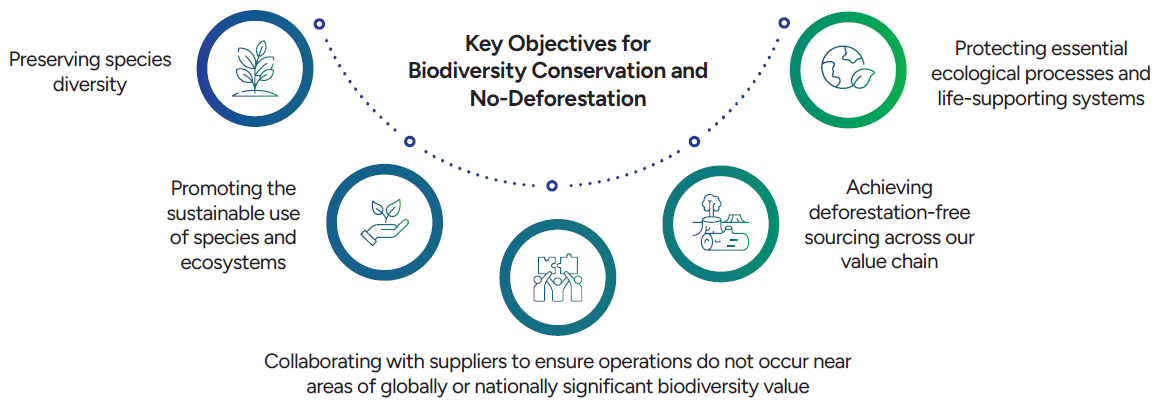

We are a member of the India Business and Biodiversity Initiative (IBBI). Through this membership, we reaffirm our commitment to integrating biodiversity considerations into our operations and supporting the objectives of the Kunming-Montreal Global Biodiversity Framework.
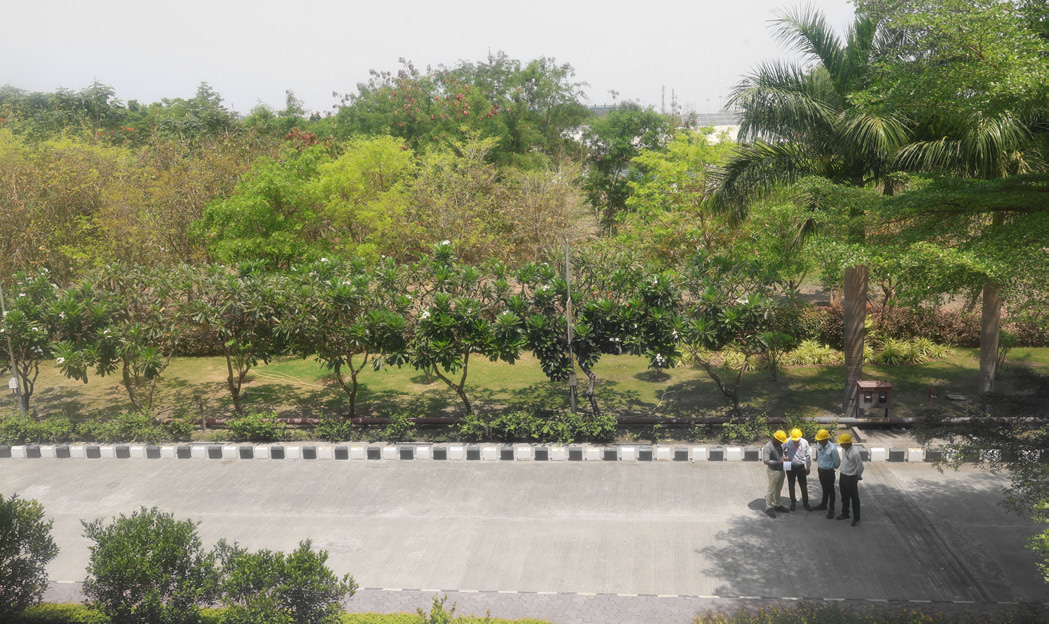
Over the past two years, we have completed biodiversity assessments across 10 of our manufacturing facilities, including four sites assessed in FY26. These assessments focused on understanding dependencies, impacts, and risks across our operations and supply chain. They covered both the core site area and a 10-kilometer buffer zone around each location. Data was collected through field studies using systematic plot sampling. Floral species were assessed using the quadrat method, while faunal species were evaluated through line and belt transect methods. Species diversity was analyzed using Simpson’s Diversity Index and Simpson’s Evenness Index.
To complement field assessments, we used the ENCORE tool to evaluate biodiversity impacts and dependencies. Inputs such as land use, water consumption, waste generation, and chemical usage helped identify areas of high biodiversity value and vulnerability. The World Wide Fund (WWF) for Nature Biodiversity Risk Filter was also applied to assess physical and reputational risks related to biodiversity. The assessment and analysis revealed areas of focus covering pollution, high dependencies on ecosystem services, including education and research services, water supply and purification, and water flow regulation.
Findings of the Biodiversity Assessment
- No Lupin facilities are located near any UNESCO World Heritage site
- No Lupin facilities are near any of UNESCO’s Man and the Biosphere Reserves
- No Lupin facilities are located near any Ramsar site
- None of the faunal species at these plants feature in the IUCN RED list or have a protected status
- None of the manufacturing plants is located within or near legally protected or biodiversity habitat areas
Additionally, we have not modified any land or sea ecosystems at the locations where we operate, and no conversion of natural ecosystems or conversion from one intensively used or modified ecosystem to another occurred during FY26.
Core Zone Tree Diversity Index for Our Manufacturing Facilities
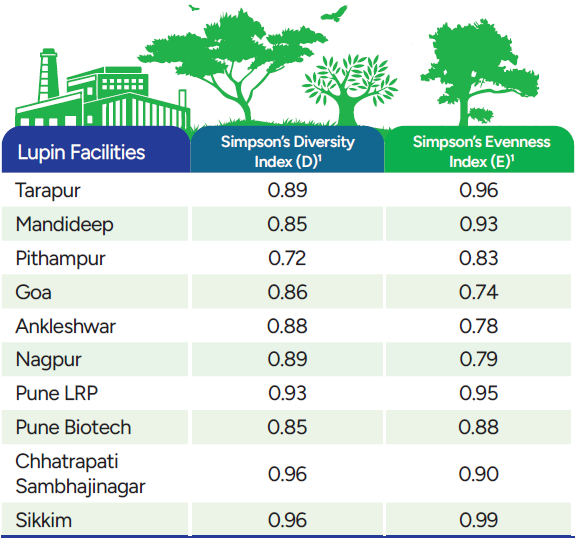
- 1 Simpson’s Diversity Index (D)
- D = 1: Maximum diversity, perfect evenness.
- 0.7 ≤ D < 0.9: High diversity
- 1 Simpson’s Evenness Index (E)
- E = 1: This indicates perfect evenness, where all species have the same abundance
- E close to 1 suggests high evenness, meaning that most species have similar abundance levels.
- E = 0.5: This represents moderate evenness, indicating that the community has some variation in species of abundance but is not perfectly even.
- E close to 0: This indicates low evenness, meaning that a few species dominate the community while others are much less abundant.
Our actions focus on reducing impact across land, freshwater, and the atmosphere while responsibly managing our dependencies. The strategy aligns with the recommendations of the Taskforce on Nature-Related Financial Disclosures (TNFD) and incorporates the Locate, Evaluate, Assess, and Prepare (LEAP) approach. This methodology enables the identification and management of material nature related Dependencies, Impacts, Risks, and Opportunities (DIRO).
As part of our enterprise-wide environmental management efforts, biodiversity related risks – both dependency-driven and impact-driven – are integrated into our multidisciplinary ERM processes, while supplier-related biodiversity considerations are addressed through responsible sourcing and ESG assessment processes. By assessing how our global operations rely on and affect biodiversity, we ensure that these insights inform strategic planning and mitigation measures. By embedding biodiversity considerations into enterprise risk assessment, we proactively manage potential disruptions and contribute to the protection of the natural ecosystem.
Taskforce on Nature-Related Financial Disclosures
In FY26, we became a TNFD adopter to strengthen how we assess and manage nature-related risks. TNFD adoption supports a more transparent nature-related reporting, better decision making, and responsible value-chain practices across our suppliers and operations.
By embedding nature-related considerations across value chain operations, we can:
- Enhance supply chain stability by identifying ecological risks that could affect raw material availability
- Improve operational resilience amid biodiversity loss, water scarcity, or land use changes
- Bolster investor and stakeholder confidence through transparent, future-ready reporting
- Support innovation in sourcing, product development, and environmental management
We are committed to leveraging nature-related opportunities to improve sustainability performance. We aim to address ecological risks through site specific actions that enhance local biodiversity and support surrounding communities.
For more details, please visit: https://tnfd.global/lupin
Product Sustainability
Product management helps us reduce environmental impact across the value chain while upholding product quality, patient experience, operational reliability, and cost efficiency. Our approach covers sustainable product design, responsible sourcing, manufacturing process optimization, packaging improvement, distribution, and operational practices that support resource conservation.
We recognize the role of value-chain engagement in sustainable product design that spans upstream and downstream partners, as well as our own operations.
We have established mechanisms to ensure the responsible sourcing of raw materials from suppliers that adhere to recognized sustainability standards, including ISO 14001, ISO 50001, and ISO 45001. As part of our ESG commitments, we have set a target to assess 100% of critical suppliers through ESG frameworks within a three year cycle.
Product Design Criteria
These commitments are translated into actionable design and operational priorities across the product lifecycle. The following focus areas outline how we embed product sustainability into manufacturing, packaging and distribution, and operations and maintenance practices to reduce our environmental impact.
| Focus Area | Approach |
|---|---|
| Sustainable Manufacturing | We are committed to minimizing the environmental impact of manufacturing operations by maximizing process efficiency and adopting low-carbon energy technologies. |
| Packaging and Distribution | We continue to advance eco-friendly packaging by reducing material use, optimizing pack dimensions, and integrating digital solutions to eliminate unnecessary paper use. These initiatives help lower transportation-related emissions, enhance resource efficiency, and deliver cost savings without compromising product quality or patient experience. |
| Operations and Maintenance | We carry out regular preventive maintenance of processes and engineering equipment in line with predefined schedules and Original Equipment Manufacturer (OEM)-recommended maintenance standards. This proactive approach enhances operational reliability and productivity, minimizes equipment downtime and associated losses, improves energy optimization, lowers energy consumption, and contributes to reducing GHG emissions per unit of manufactured product. |
Life Cycle Assessment
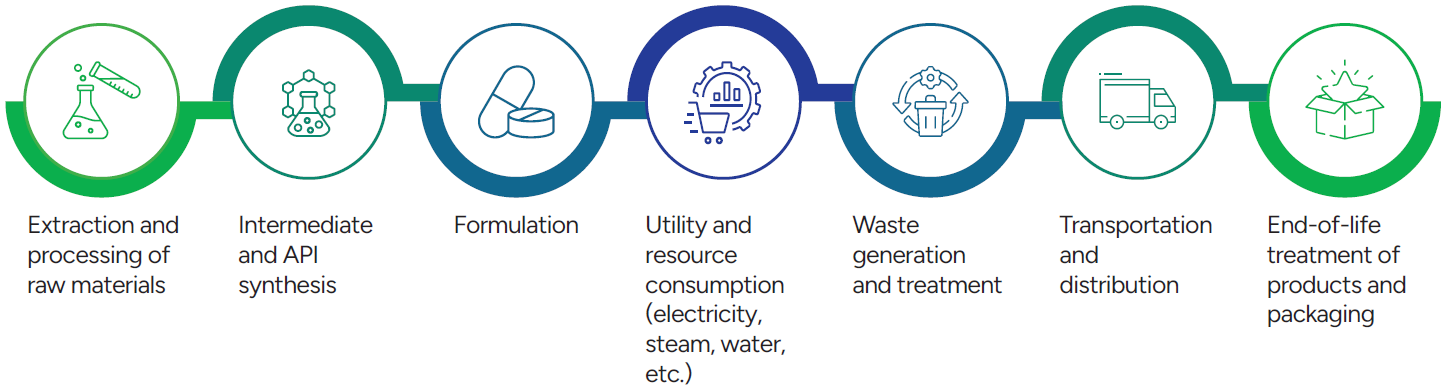
Life Cycle Assessment (LCA) helps us understand the environmental impact of products across the value chain and identify opportunities for improvement. In FY26, we completed LCA studies for 20 of our products. These products were selected based on significant revenue contribution, associated emissions, and strong market demand, ensuring that the assessment focused on products with high commercial relevance and sustainability impact. Building on the work completed over the past two years, we have now completed a LCA of 50 key products.
The primary objective of the FY26 study was to develop a baseline environmental profile for the selected products. The findings help identify environmental hotspots across the production chain and provide insights to guide future improvements in resource efficiency and environmental performance. Using the SimaPro LCA software and EcoInvent database, we modeled environmental impacts across fourteen midpoint indicators, including the following – Climate Change/Global Warming Potential (GWP), Ionizing Radiation, Water Use, Ozone Depletion Potential (ODP), Photochemical Ozone Creation Potential, Abiotic Resource Depletion (Minerals and Fossils), Human Toxicity (Cancer and Non-Cancer), Acidification Potential, Renewable Resource Depletion, Dust and Particulate Matter, Terrestrial/Freshwater/Marine Eutrophication, Species Richness.
The Study Covers the Following Major Life Cycle Stages
20 Products Covered in the LCA Study
Simvastatin, Quetiapine, Desvenlafaxine Succinate, Duloxetine, Ketoprofen, Semi Sodium Valproate (DIVALCOTE), Prednisolone, Tramadol, Ethambutol, Testosterone, Tolvaptan, Sertraline, Lansoprazole, Cefdinir, Cephalexin, Cefpodoxime Proxetil, Metformin, Nebistar®, Clopitab, Rivaroxaban
The LCA was conducted in accordance with ISO 14040:2006 and ISO 14044:2006, ensuring that the methodology, data quality, and system boundaries align with internationally recognized standards.
The findings highlighted opportunities to improve environmental performance through improved solvent recovery and wider adoption of green chemistry principles. The study’s findings supported strategic decision-making to further reduce the environmental impact of manufacturing, supporting our commitment to environmentally responsible healthcare practices.
*ISO 14040:2006: Defines the principles and framework for conducting Life Cycle Assessments.
*ISO 14044:2006: Provides detailed requirements and guidelines for performing LCAs.
Way Forward
Looking ahead, our focus will be on turning our environmental priorities into practical actions that deliver measurable outcomes. A key priority is to progress our Science-Based Targets initiative (SBTi)-aligned decarbonization roadmap through facility-level emission-reduction plans, increased use of renewable energy, lower-carbon fuels, energy-efficiency measures, and supplier engagement across the value chain.
We will also use product-level insights to reduce environmental impact beyond our own operations. Findings from the LCA will help guide our decisions regarding solvent, recovery, green chemistry, packaging, manufacturing, and end-of-life management. Low-GWP product innovation in our respiratory portfolio will continue to play an important role in reducing emissions from product use.
Our water priorities will focus on reducing freshwater dependence, increasing reuse and recovery, and maintaining strong wastewater management practices, including ZLD where applicable. For waste, the emphasis will be on reducing generation at source, improving material recovery, meeting EPR obligations, and preparing facilities for Zero Waste to Landfill certification.
Climate and nature-related risk insights will support resilience planning and business continuity. Biodiversity assessment findings and TNFD adoption will help translate nature-related considerations into practical facility-level actions, supplier engagement, and ERM processes.
By integrating environmental resilience into strategic planning and day-to-day operations, we aim to reduce our impact on nature while supporting the health and well-being of the communities we serve. In doing so, we continue to live our purpose of transforming lives – through the medicines we provide and the responsible way in which we produce them.
 Assurance Statement